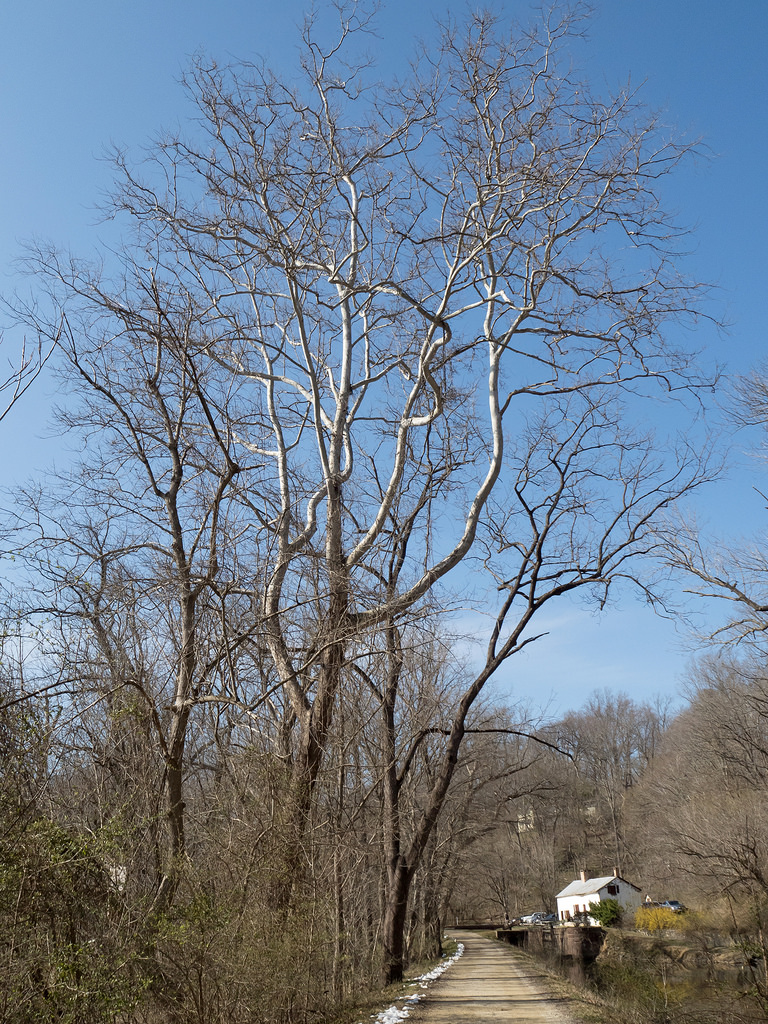
An American Sycamore in Montgomery Co., Maryland (3/18/2017).
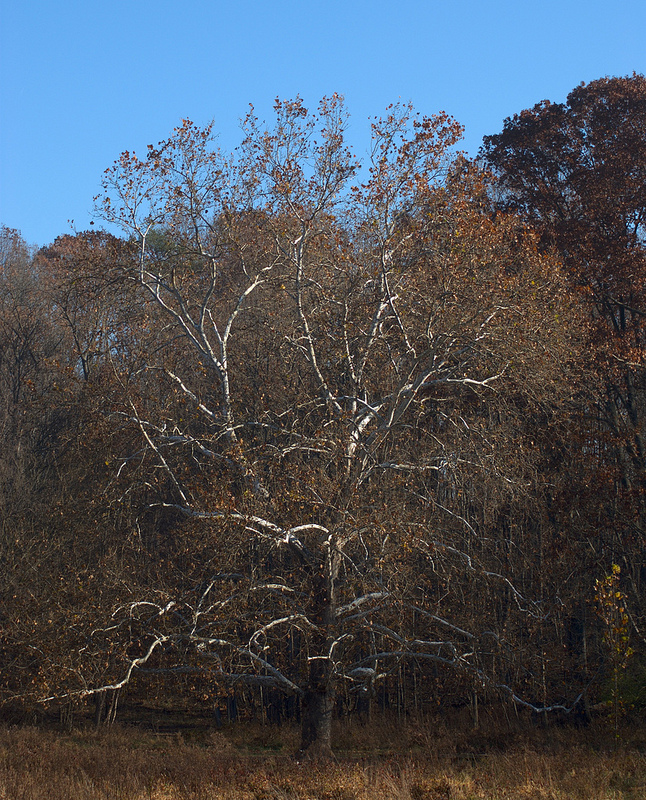
An American Sycamore in Montgomery Co., Maryland (11/21/2012).
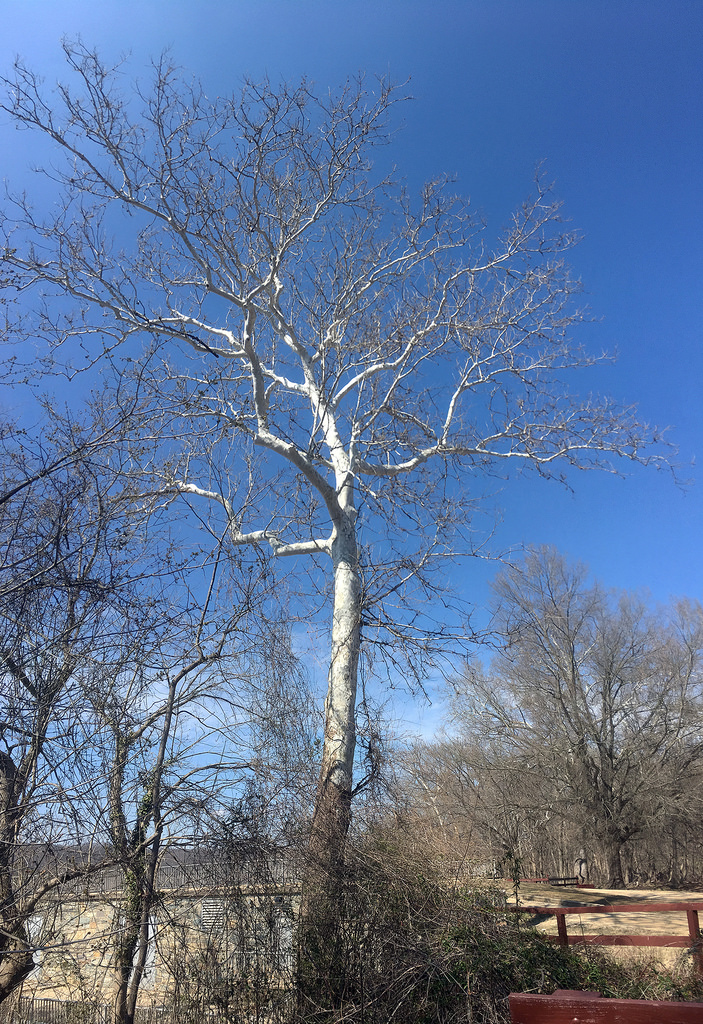
An American Sycamore growing in Montgomery Co., Maryland (3/18/2017).
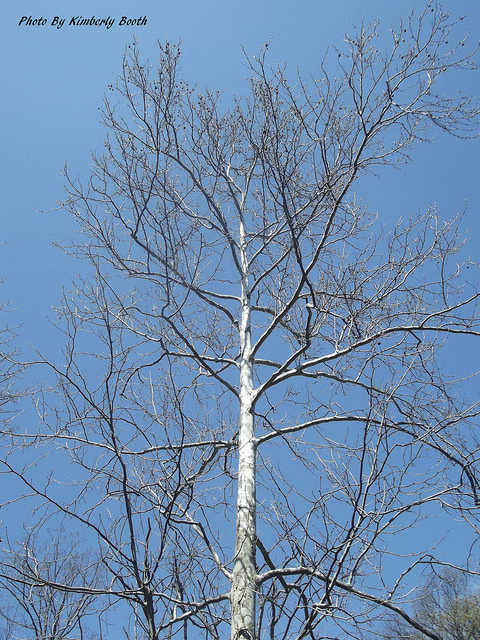
An American Sycamore in Allegany Co., Maryland (4/27/2014).

American Sycamore growing in Frederick Co., Maryland (3/25/2016).

A large American Sycamore hosting Carroll County's first nesting pair of Yellow-crowned Night-herons (Carroll Co., Maryland, 7/9/2016).

American Sycamore in Caroline Co., Maryland (10/31/2020). (c) Wayne Longbottom, some rights reserved (CC BY-NC).
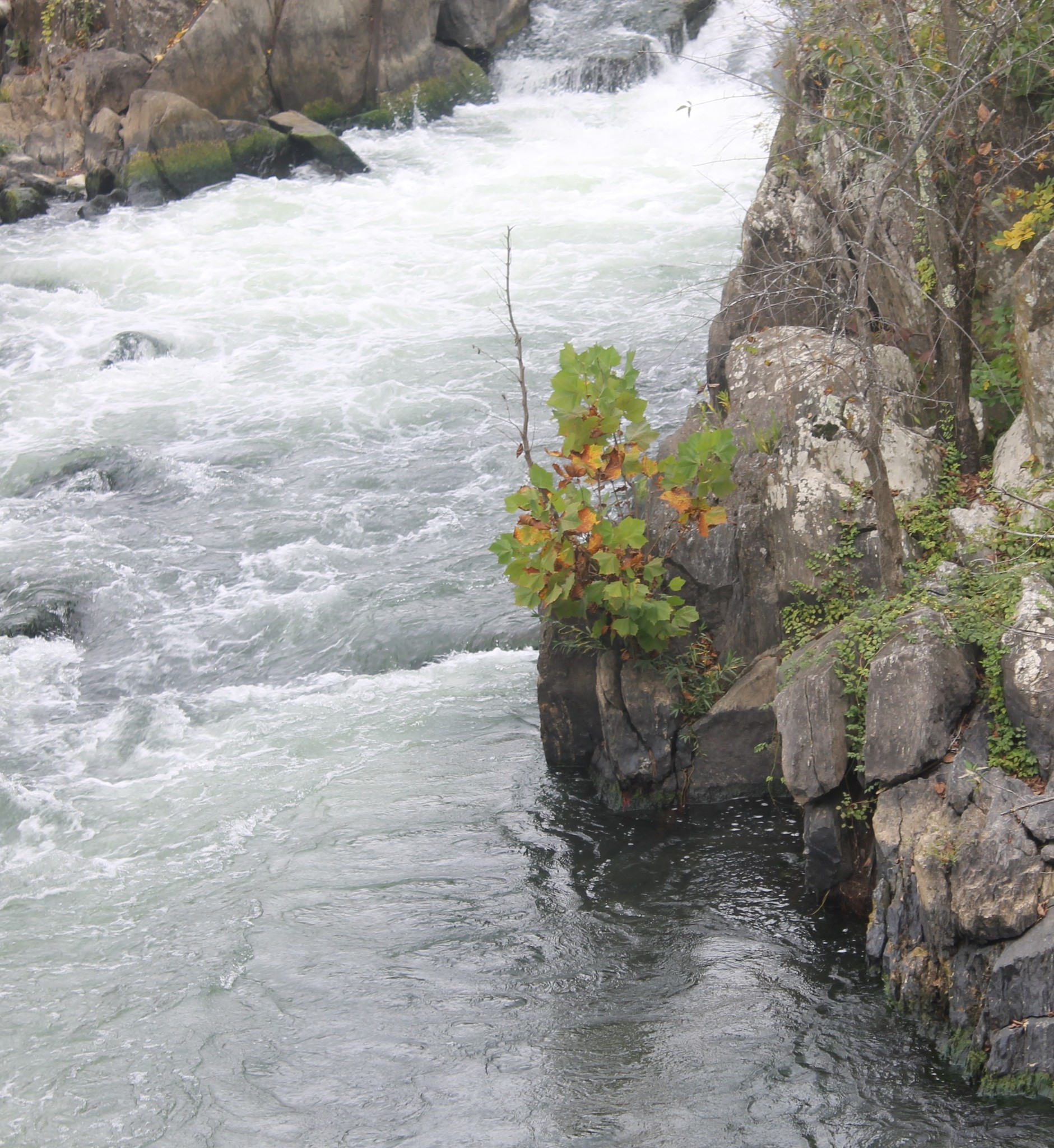
American Sycamore in Montgomery Co., Maryland (9/29/2020). (c) Jane Hill, some rights reserved (CC BY-NC). American Sycamore often grows as a stately tree in rich bottomlands, but can also withstand, in stunted form, battering floods on rocky flood plains, as along this channel of the Potomac River Gorge.
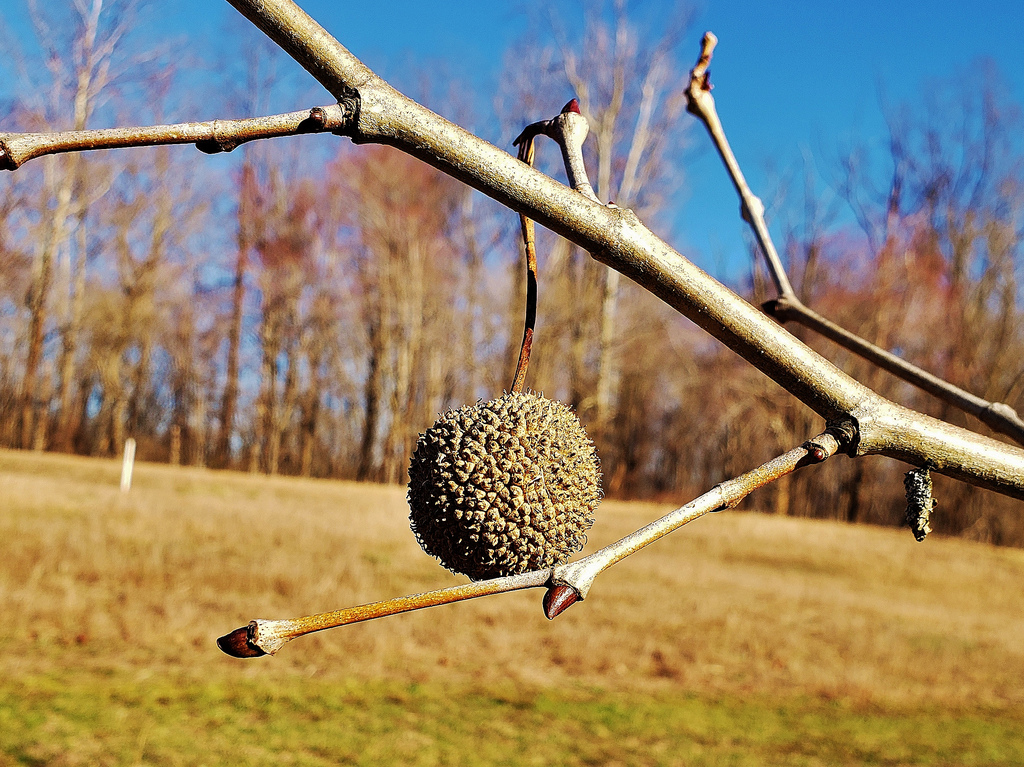
American Sycamore fruit and buds in Prince George's Co., Maryland (3/23/2019).
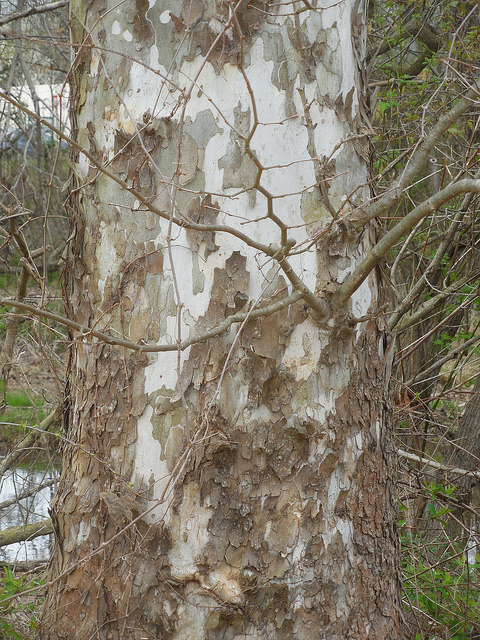
American Sycamore growing in Kent Co., Maryland (4/1/2016).

American Sycamore in Washington Co., Maryland (3/11/2013). The bark at the base of older American Sycamores is typically not pealing.

American Sycamore in Anne Arundel Co., Maryland (2/18/2012). County Champion Sycamore, sixth largest in Maryland.
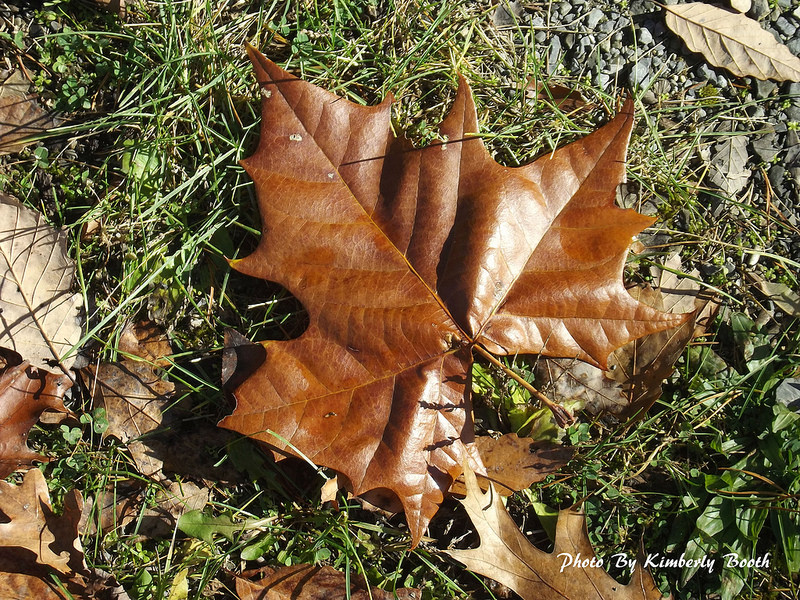
An American Sycamore leaf in Allegany Co., Maryland (10/9/2011).

American Sycamore flowers and leaves, in Anne Arundel Co., Maryland (4/19/2011).
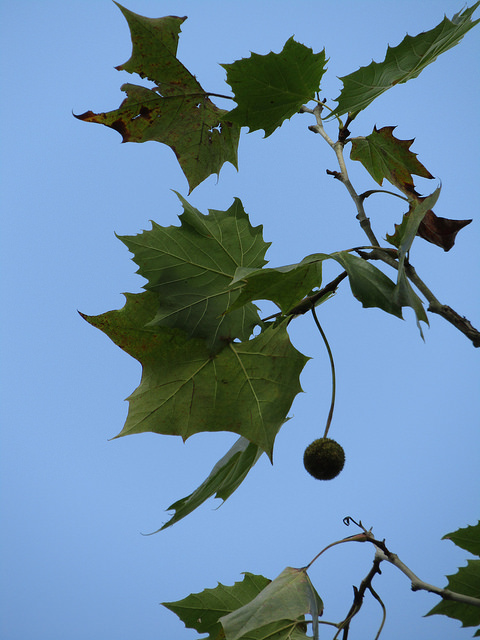
American Sycamore in fruit in Caroline Co., Maryland (9/4/2016).
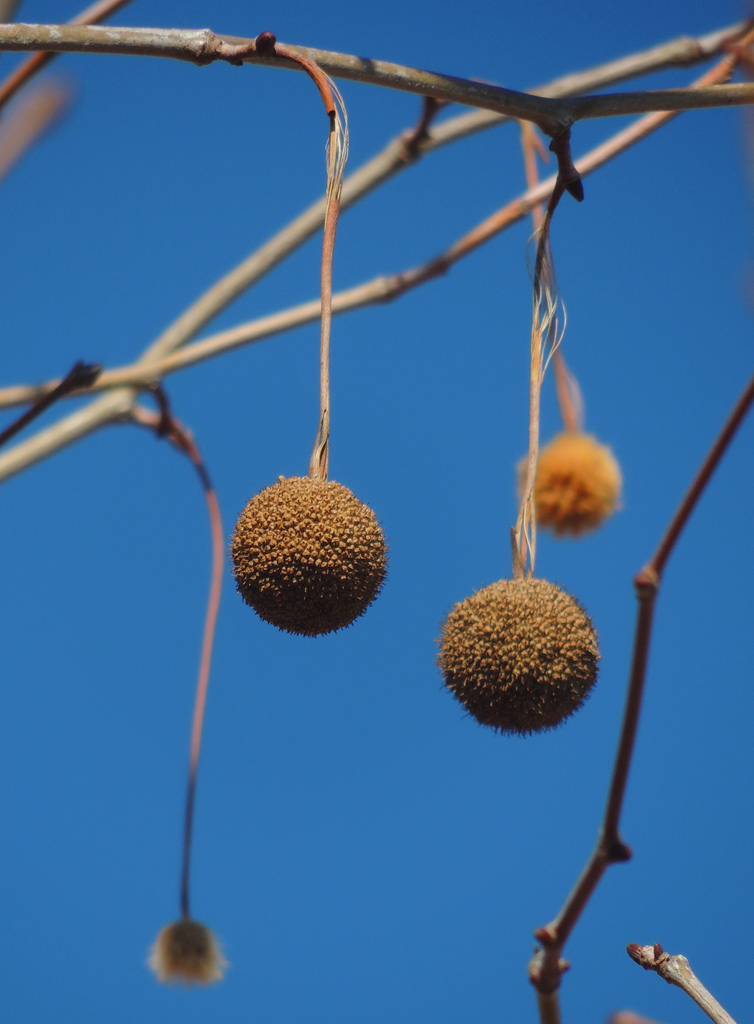
American Sycamore fruits in Frederick Co., Maryland (3/11/2018).
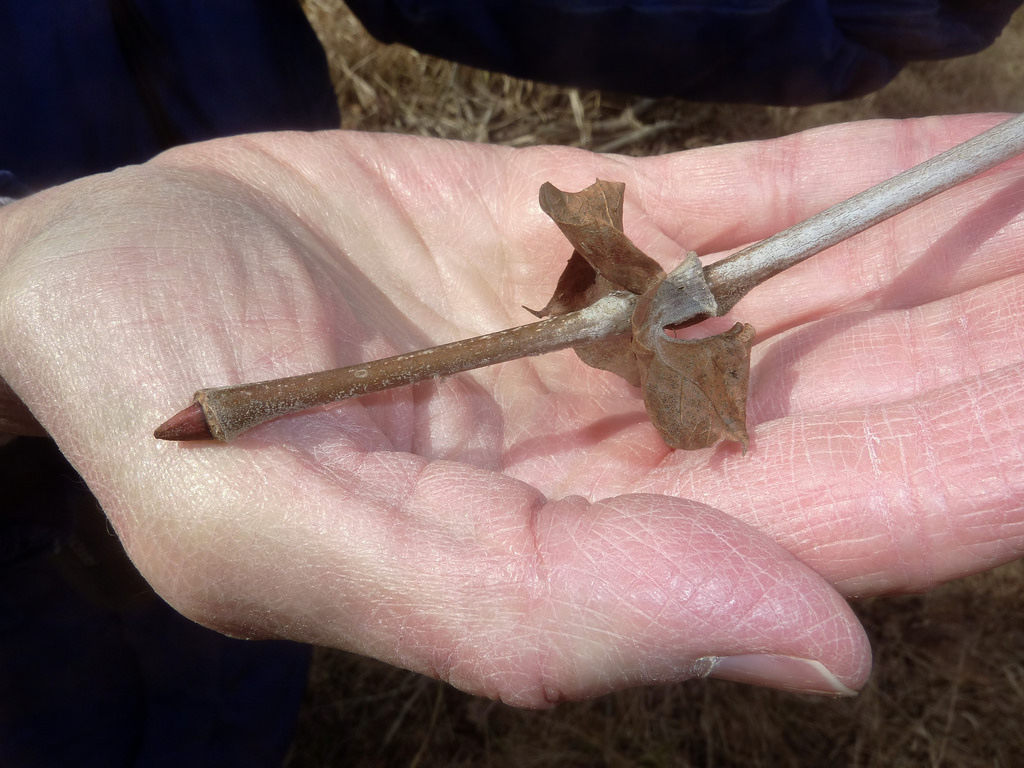
American Sycamore in Montgomery Co., Maryland (1/28/2017). Remnant of leafy stipule surrounding twig at point where previous year's leaf was attached.
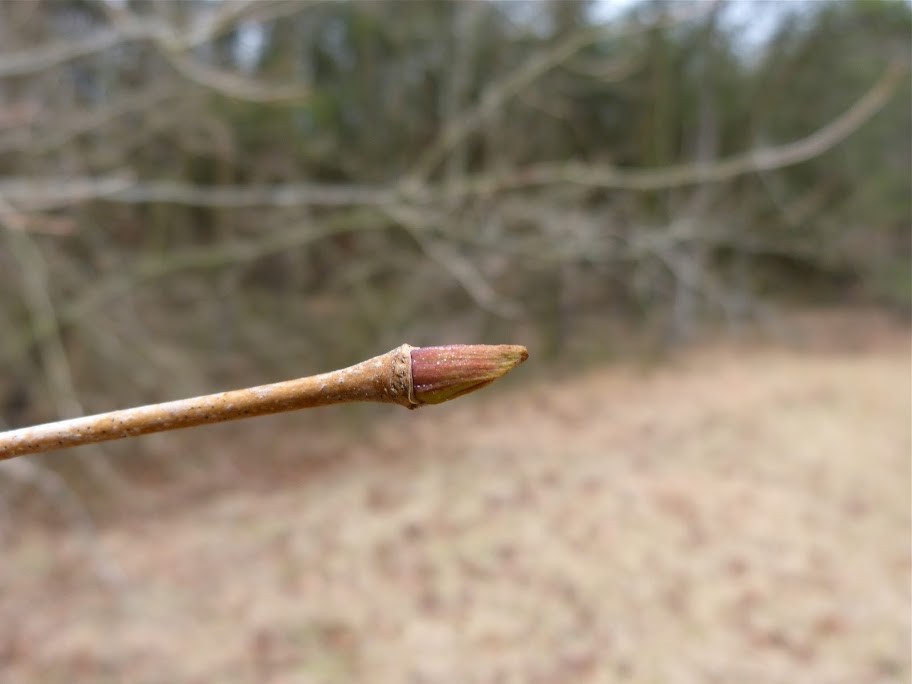
The bud of an American Sycamore in Anne Arundel Co., Maryland (3/3/2013).
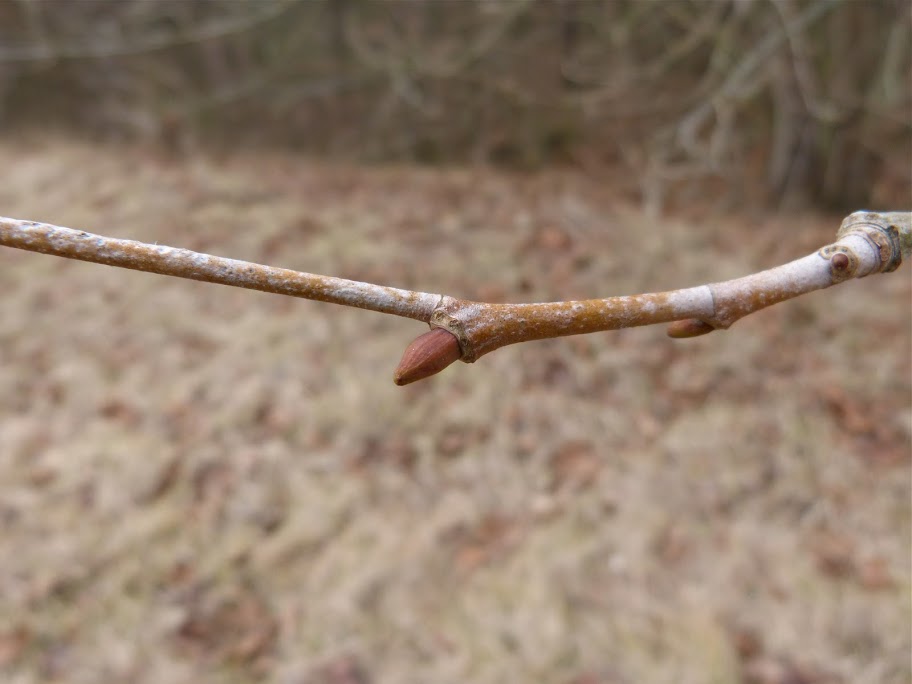
The bud of an American Sycamore in Anne Arundel Co., Maryland (3/3/2013).
Photo by
Jim Brighton
MBP List
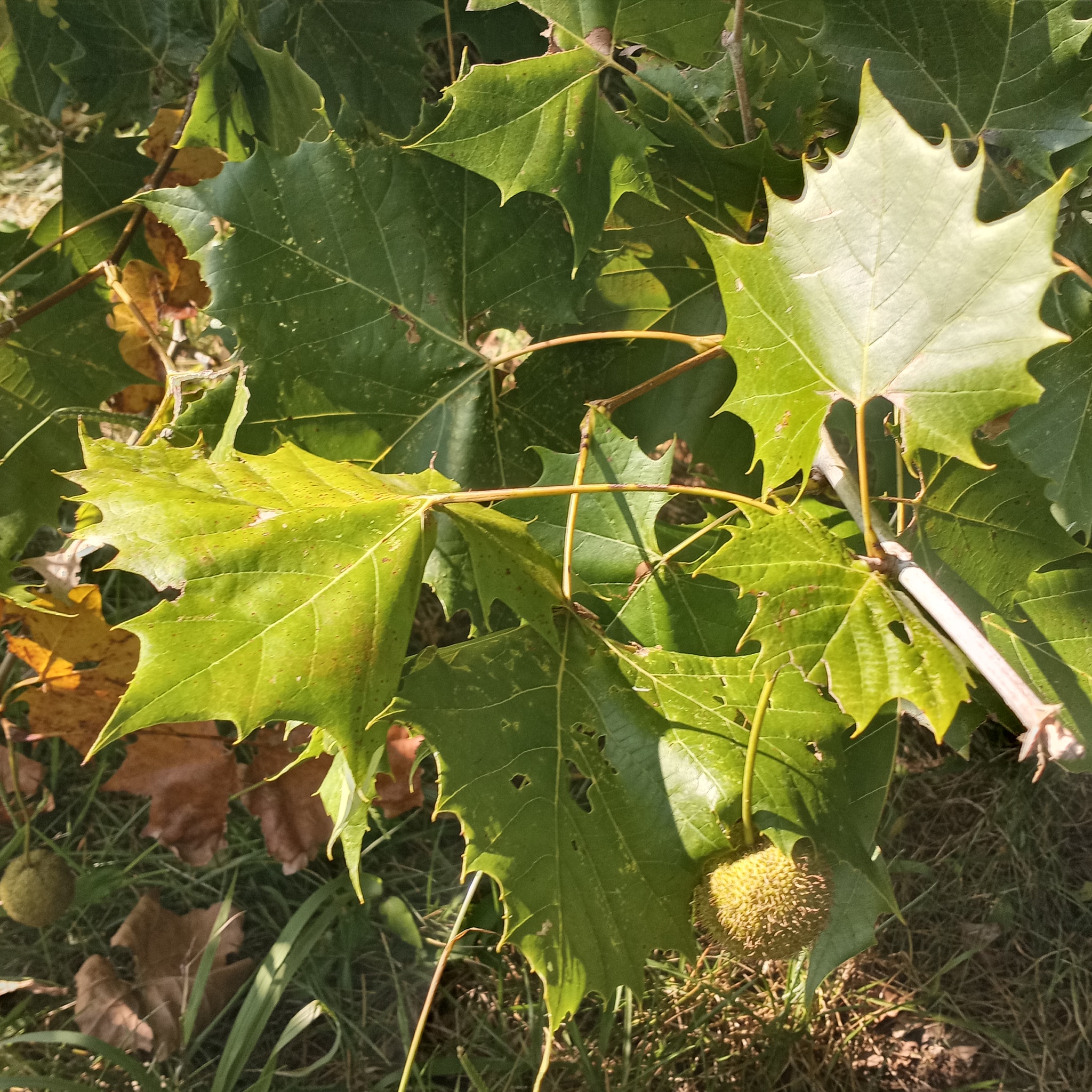
American Sycamore in Wicomico Co., Maryland (9/12/2024). (c) Wayne Longbottom, some rights reserved (CC BY-NC).
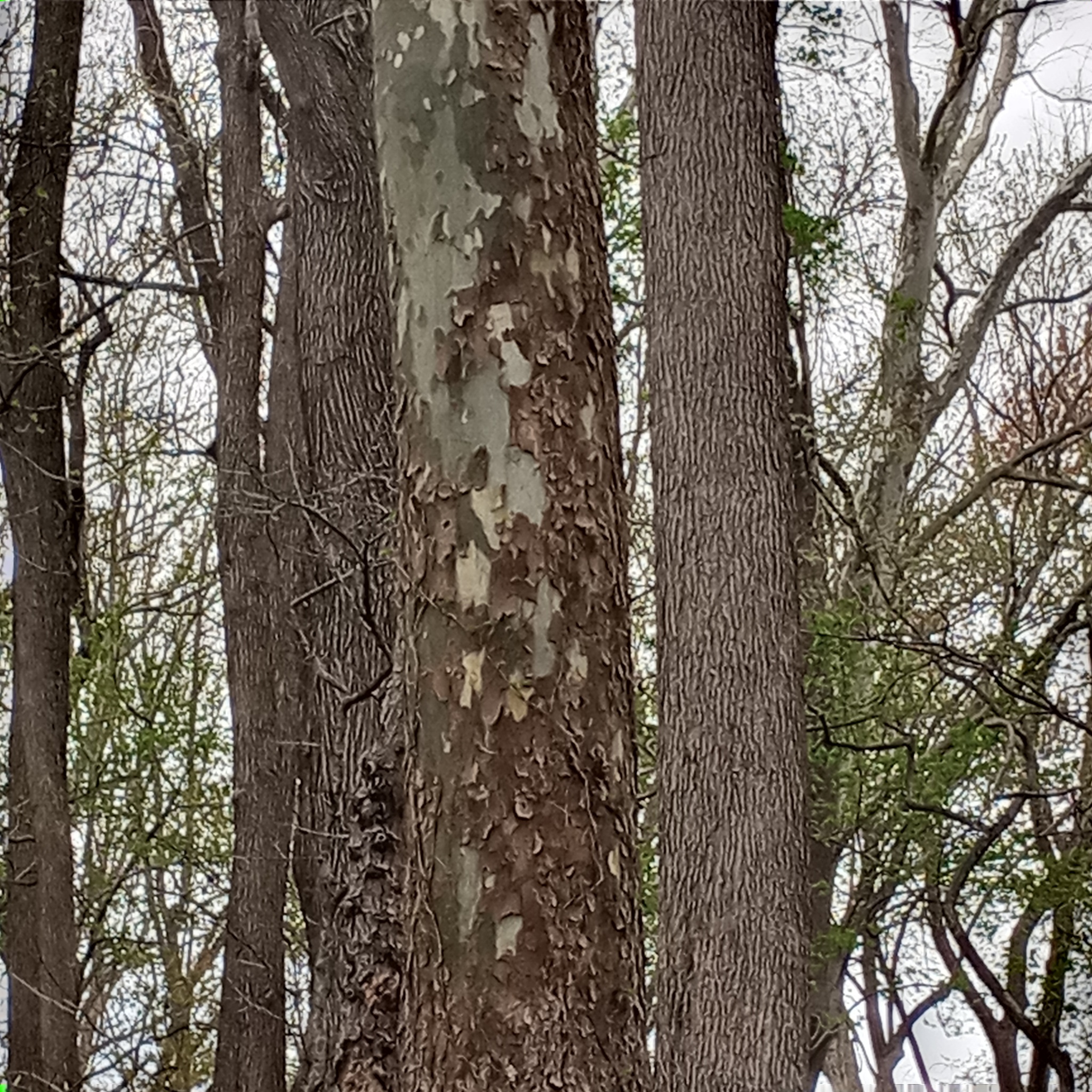
American Sycamore in Talbot Co., Maryland (4/4/2025). (c) Wayne Longbottom, some rights reserved (CC BY-NC).
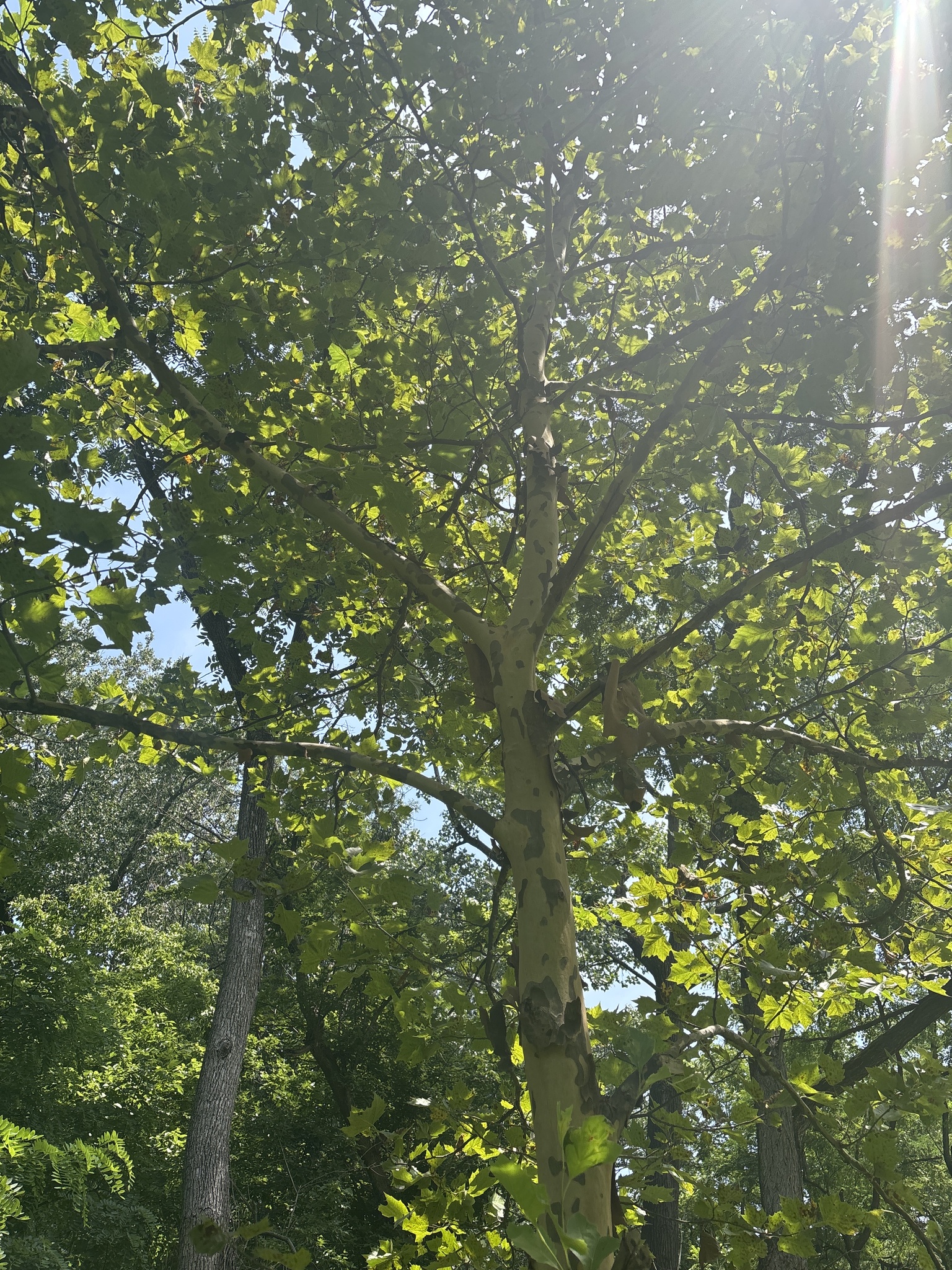
American Sycamore in Baltimore City (8/4/2025). (c) Kenz Pere, all rights reserved
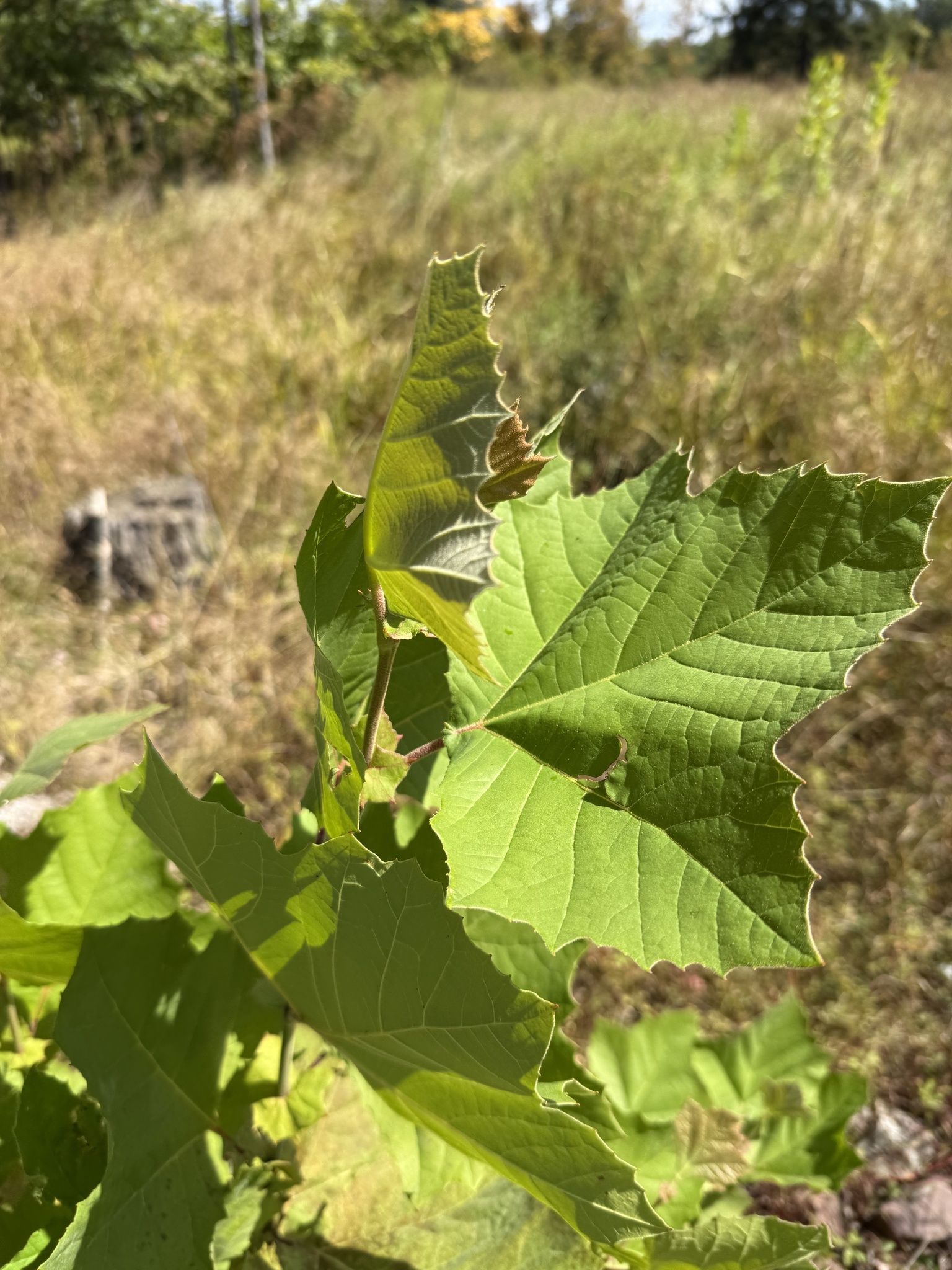
American Sycamore in Garrett Co. (9/13/2025). (c) Frode Jacobsen, some rights reserved (CC BY-NC)
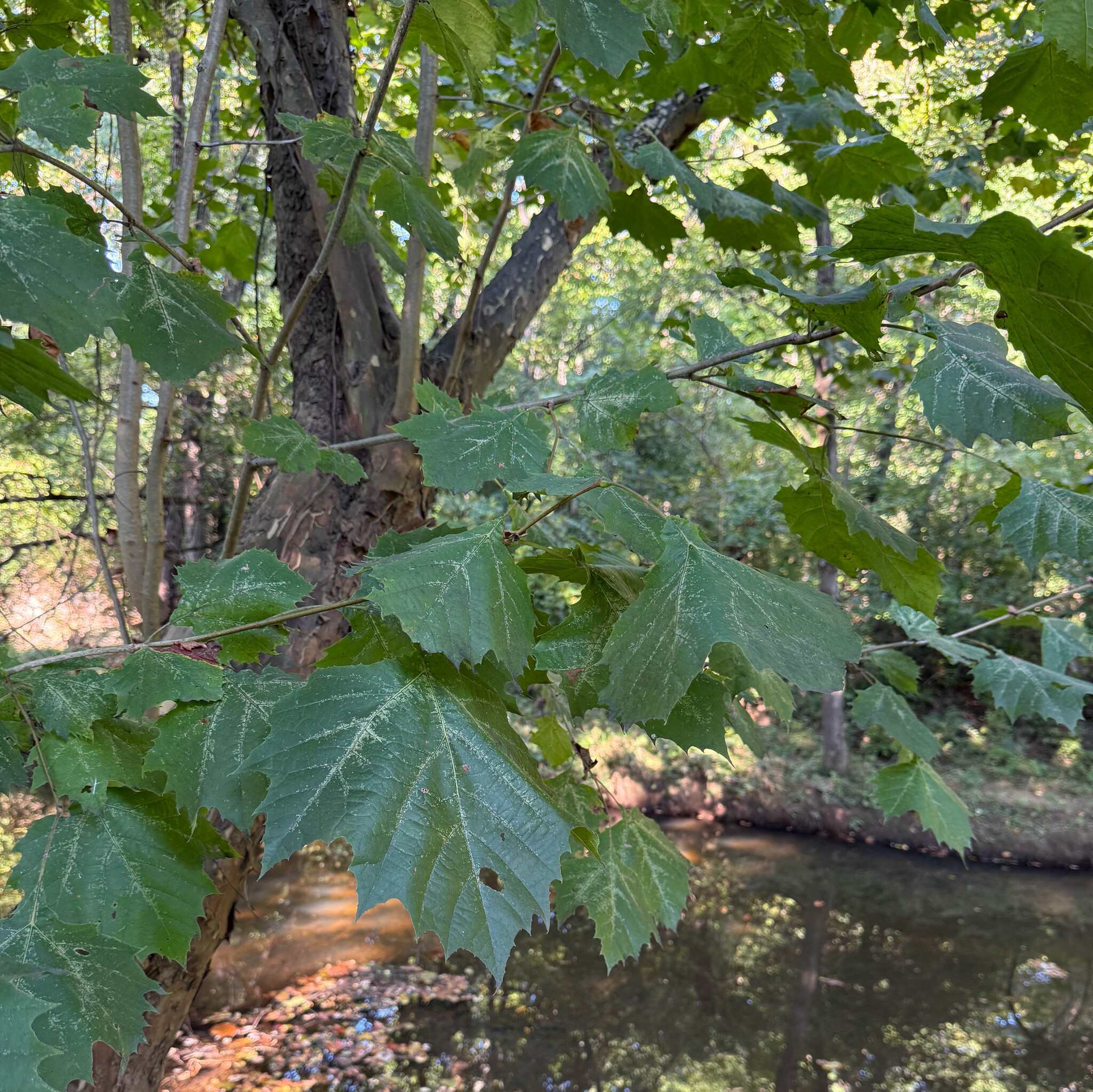
American Sycamore in Prince George's Co. (9/13/2025). (c) johnbotany, all rights reserved
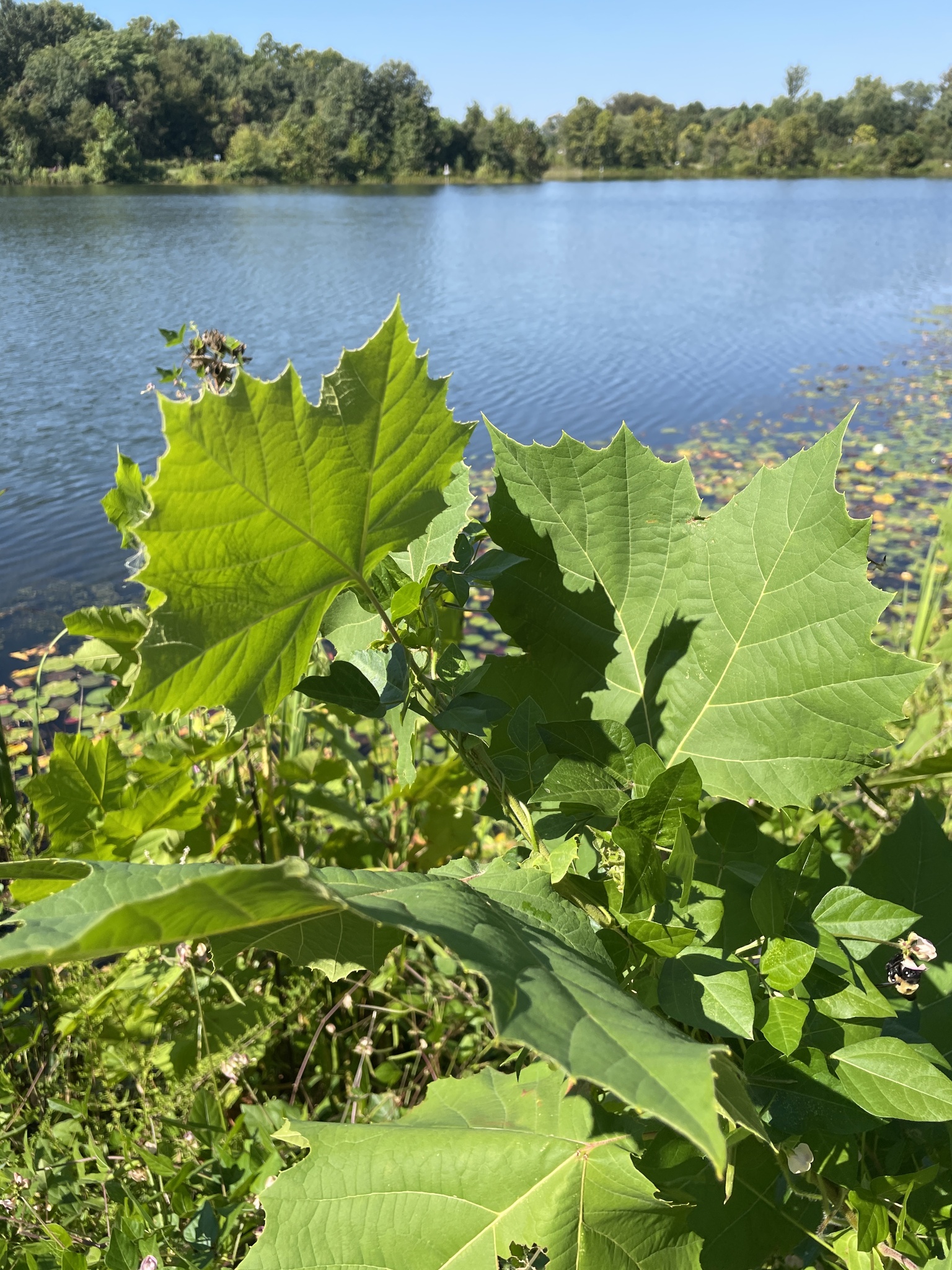
American Sycamore in Prince George's Co. (9/13/2025). (c) Nan Hu, all rights reserved
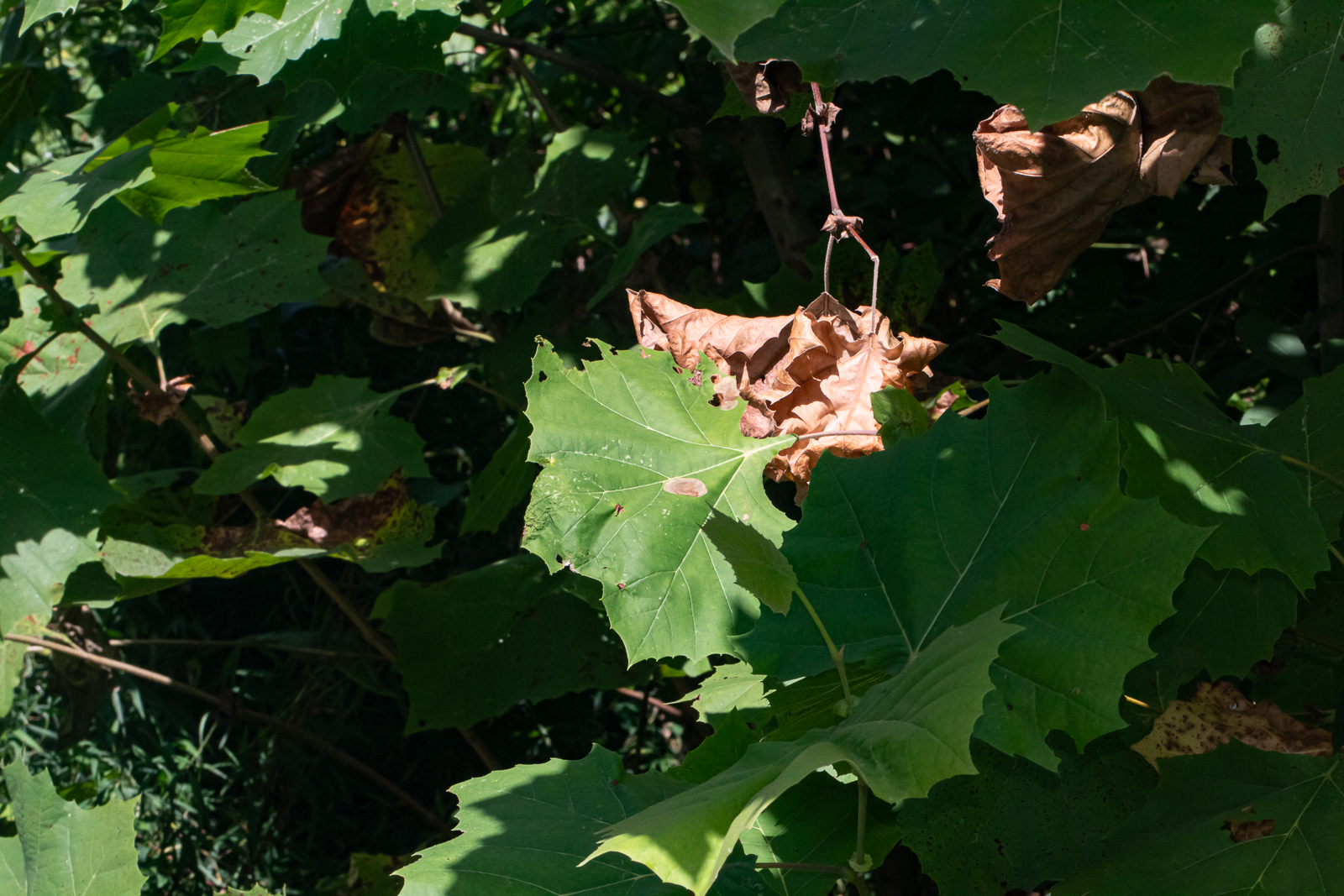
American Sycamore in Howard Co., Maryland (8/27/2025). (c) Timothy Reichard, all rights reserved
Map Snapshot


1,175 Records
Status
The American Sycamore is a common tree of floodplains and rich hardwood bottomlands throughout most of Maryland. On the lower Eastern Shore American Sycamore becomes very uncommon.
Description
On rich bottomlands, American Sycamore can reach 150 ft (46 m) in height and 12 ft (3.6 m) in diameter. No eastern hardwood can grow taller than it, except the tulip tree, and none exceeds it in girth. Sycamore can also grow in a shrubby, gnarled form on rocky river floodplains, such as the Potomac River gorge (Yanosky, 1982).
The tree can be easily identified by habitat and the mottled appearance of the bark. On the upper trunk and branches, the bark is smooth and mottled, with patches that are whitish, greenish-gray, to yellowish. The broad leaves are also distinctive along with the round seed pod that hangs from a long stalk.
American Sycamore can be confused with the London Plane Tree (Platanus x acerifolia). The London Plane Tree is a hybrid sycamore that has been planted extensively in towns and cities across the United States. One of the easiest ways to differentiate between an American Sycamore and the hybrid London Plane Tree is habitat. American Sycamore is a tree of rich riverine bottomland while the London Plane Tree is a tree of streets and yards. The other way to easily differentiate between the two is by looking at the seed pods. American Sycamore has a single seed pod per stem while the London Plane Tree has two seed pods per stem.
The tree can be easily identified by habitat and the mottled appearance of the bark. On the upper trunk and branches, the bark is smooth and mottled, with patches that are whitish, greenish-gray, to yellowish. The broad leaves are also distinctive along with the round seed pod that hangs from a long stalk.
American Sycamore can be confused with the London Plane Tree (Platanus x acerifolia). The London Plane Tree is a hybrid sycamore that has been planted extensively in towns and cities across the United States. One of the easiest ways to differentiate between an American Sycamore and the hybrid London Plane Tree is habitat. American Sycamore is a tree of rich riverine bottomland while the London Plane Tree is a tree of streets and yards. The other way to easily differentiate between the two is by looking at the seed pods. American Sycamore has a single seed pod per stem while the London Plane Tree has two seed pods per stem.
Where To Find
In winter, stream valleys can be traced by the zones of white-crowned American Sycamores lining them. The tree is very common along the Potomac River. The C&O Canal has many fine examples of large, magnificent American Sycamores that can be easily viewed along the towpath.
Relationships
Host plant for various species of moth including Two-toned Ancylis Moth, Imperial Moth, Banded Tussock Moth, Sycamore Tussock Moth, Signate Pinon Moth, and American Dagger Moth. The leaves are mined by the micromoths Ectoedemia platanella and Ectoedemia clemensella.
The weevil Myrmex myrmex feeds on dead and dying twigs.
Seeds are the primary food source of Sycamore Seed Bug.
The Yellow-throated Warbler, a breeding bird in Maryland, nests "locally in tall sycamores along rivers in the northern and western parts of the state" (Robbins and Blom, 1996).
The weevil Myrmex myrmex feeds on dead and dying twigs.
Seeds are the primary food source of Sycamore Seed Bug.
The Yellow-throated Warbler, a breeding bird in Maryland, nests "locally in tall sycamores along rivers in the northern and western parts of the state" (Robbins and Blom, 1996).
Citations
No citations linked for this taxon yet.
Use of media featured on Maryland
Biodiversity Project is only permitted with express permission of the
photographer.
An American Sycamore in Montgomery Co., Maryland (3/18/2017).
View Record Details
Media by
Ashley Bradford.
An American Sycamore in Montgomery Co., Maryland (11/21/2012).
View Record Details
Media by
Mike Ostrowski.
An American Sycamore growing in Montgomery Co., Maryland (3/18/2017).
View Record Details
Media by
Ashley Bradford.
An American Sycamore in Allegany Co., Maryland (4/27/2014).
View Record Details
Media by
Kimberly Booth.
American Sycamore growing in Frederick Co., Maryland (3/25/2016).
View Record Details
Media by
Mark Etheridge.
A large American Sycamore hosting Carroll County's first nesting pair of Yellow-crowned Night-herons (Carroll Co., Maryland, 7/9/2016).
View Record Details
Media by
Bill Hubick.
American Sycamore in Caroline Co., Maryland (10/31/2020). (c) Wayne Longbottom, some rights reserved (CC BY-NC).
View Record Details
Media by
Wayne Longbottom.
American Sycamore in Montgomery Co., Maryland (9/29/2020). (c) Jane Hill, some rights reserved (CC BY-NC). American Sycamore often grows as a stately tree in rich bottomlands, but can also withstand, in stunted form, battering floods on rocky flood plains, as along this channel of the Potomac River Gorge.
View Record Details
Media by
Jane Hill.
American Sycamore fruit and buds in Prince George's Co., Maryland (3/23/2019).
View Record Details
Media by
Matthew Beziat.
American Sycamore growing in Kent Co., Maryland (4/1/2016).
View Record Details
Media by
Nancy Martin.
American Sycamore in Washington Co., Maryland (3/11/2013). The bark at the base of older American Sycamores is typically not pealing.
View Record Details
Media by
Jim Brighton.
American Sycamore in Anne Arundel Co., Maryland (2/18/2012). County Champion Sycamore, sixth largest in Maryland.
View Record Details
Media by
Bill Harms.
An American Sycamore leaf in Allegany Co., Maryland (10/9/2011).
View Record Details
Media by
Kimberly Booth.
American Sycamore flowers and leaves, in Anne Arundel Co., Maryland (4/19/2011).
View Record Details
Media by
Bill Harms.
American Sycamore in fruit in Caroline Co., Maryland (9/4/2016).
View Record Details
Media by
Wayne Longbottom.
American Sycamore fruits in Frederick Co., Maryland (3/11/2018).
View Record Details
Media by
Robert Ferraro.
American Sycamore in Montgomery Co., Maryland (1/28/2017). Remnant of leafy stipule surrounding twig at point where previous year's leaf was attached.
View Record Details
Media by
Bill Hill.
The bud of an American Sycamore in Anne Arundel Co., Maryland (3/3/2013).
View Record Details
Media by
Jim Brighton.
The bud of an American Sycamore in Anne Arundel Co., Maryland (3/3/2013).
Media by
Jim Brighton.
American Sycamore in Wicomico Co., Maryland (9/12/2024). (c) Wayne Longbottom, some rights reserved (CC BY-NC).
View Record Details
Media by
Wayne Longbottom.
American Sycamore in Talbot Co., Maryland (4/4/2025). (c) Wayne Longbottom, some rights reserved (CC BY-NC).
View Record Details
Media by
Wayne Longbottom.
American Sycamore in Baltimore City (8/4/2025). (c) Kenz Pere, all rights reserved
View Record Details
Media by
Kenz Pere via iNaturalist.
American Sycamore in Garrett Co. (9/13/2025). (c) Frode Jacobsen, some rights reserved (CC BY-NC)
View Record Details
Media by
Frode Jacobsen.
American Sycamore in Prince George's Co. (9/13/2025). (c) johnbotany, all rights reserved
View Record Details
Media by
John Hall.
American Sycamore in Prince George's Co. (9/13/2025). (c) Nan Hu, all rights reserved
View Record Details
Media by
Nan Hu via iNaturalist.
American Sycamore in Howard Co., Maryland (8/27/2025). (c) Timothy Reichard, all rights reserved
View Record Details
Media by
Timothy Reichard.