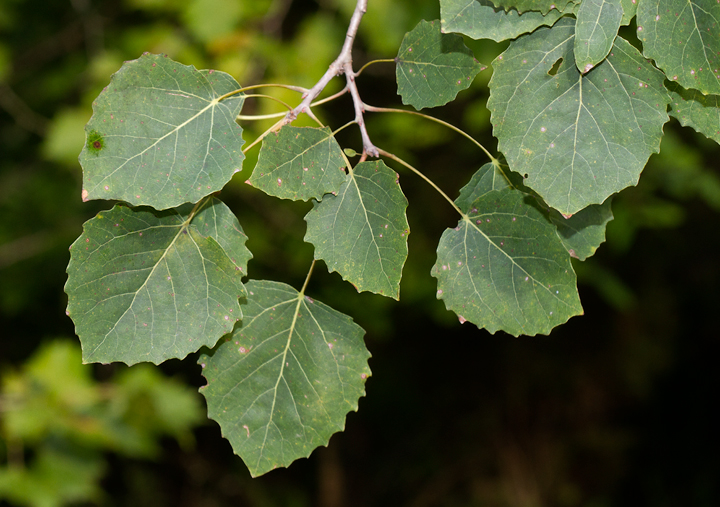
Bigtooth Aspen leaves in Anne Arundel Co., Maryland (8/5/2012).
Photo by
Bill Hubick
MBP List
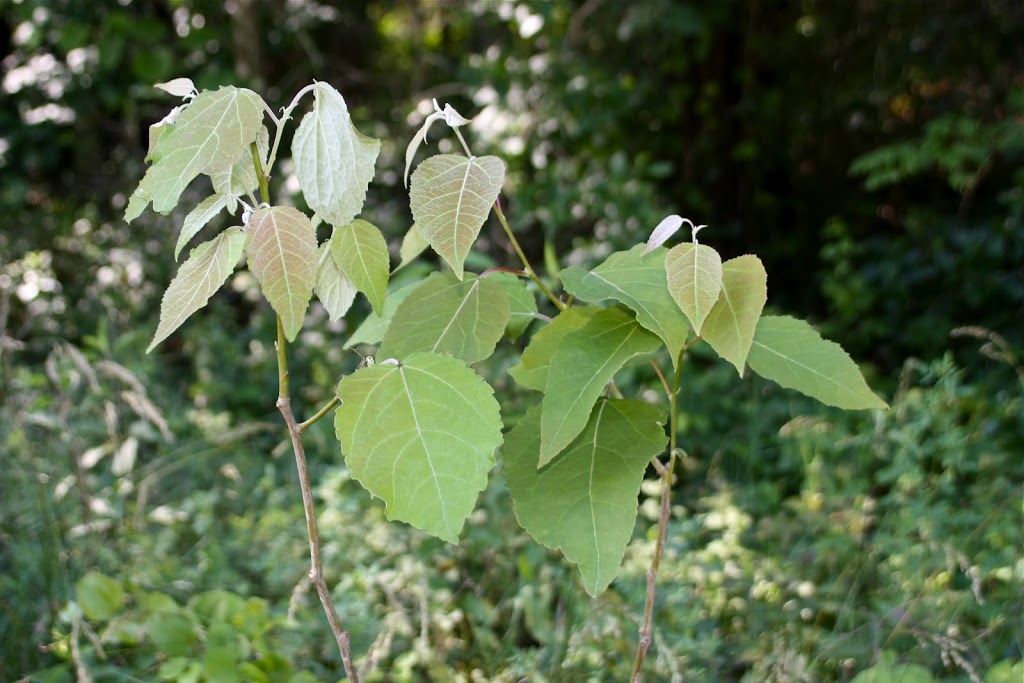
A young Bigtooth Aspen growing along a weedy roadside in Dorchester Co., Maryland (6/2/2012).
Photo by
Jim Brighton
MBP List
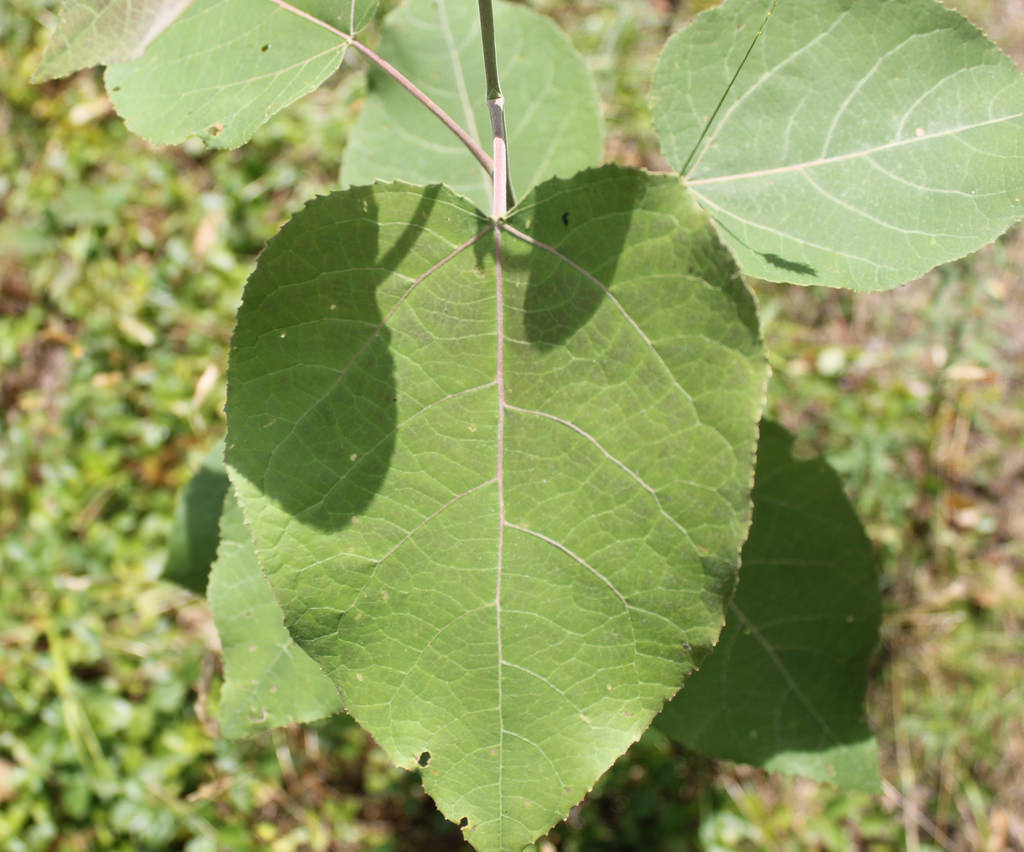
Bigtooth Aspen, young tree, in Frederick Co., Maryland (7/24/2016).
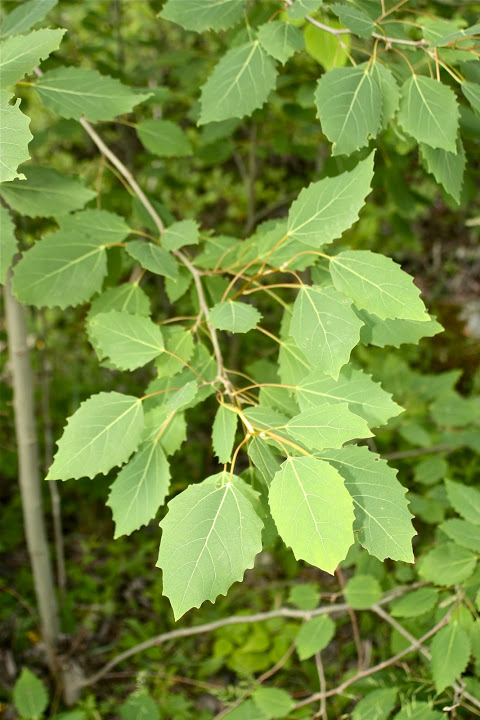
Bigtooth Aspen leaves in Tucker Co., West Virginia (7/9/2012).
Photo by
Jim Brighton
MBP List
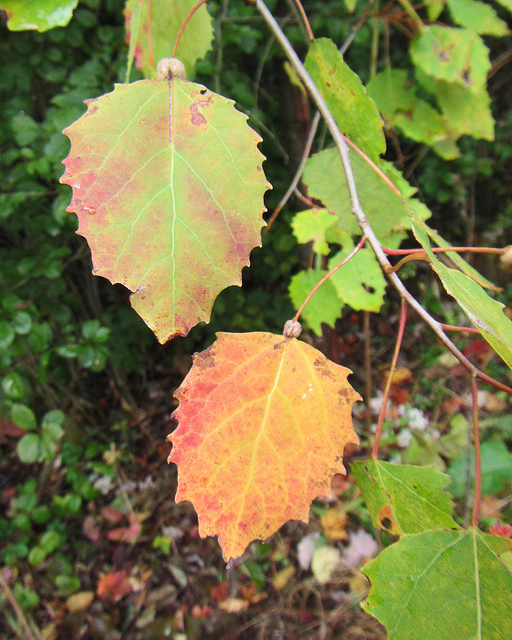
Bigtooth Aspen leaves changing into fall colors in Garrett Co., Maryland (9/27/2012).
Photo by
Matt Tillett
MBP List
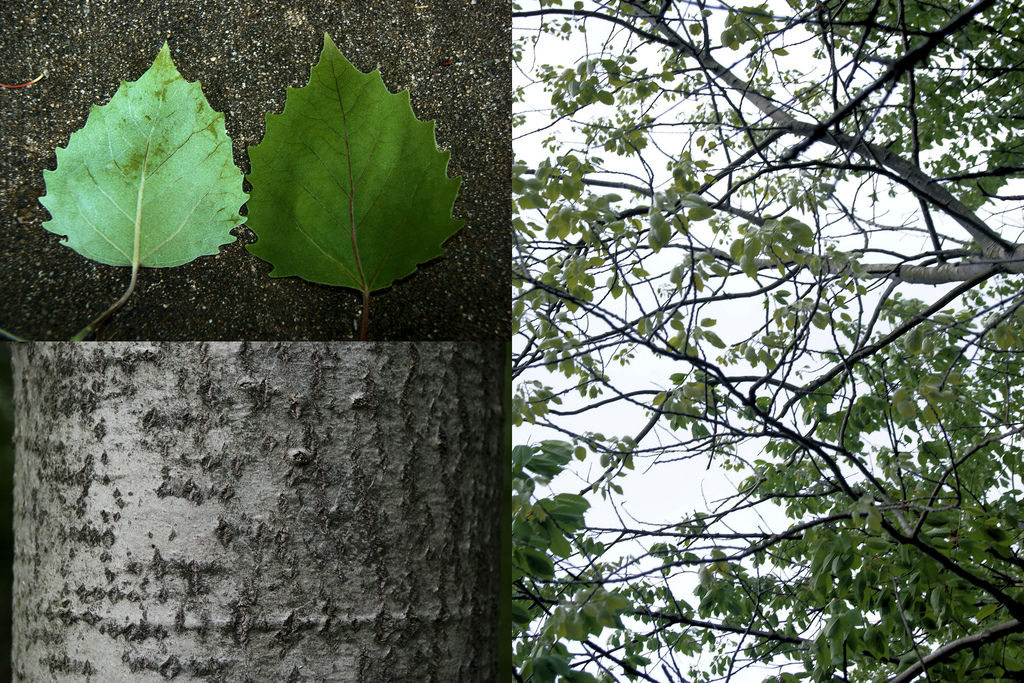
Bigtooth Aspen in Howard Co., Maryland (4/27/2014).
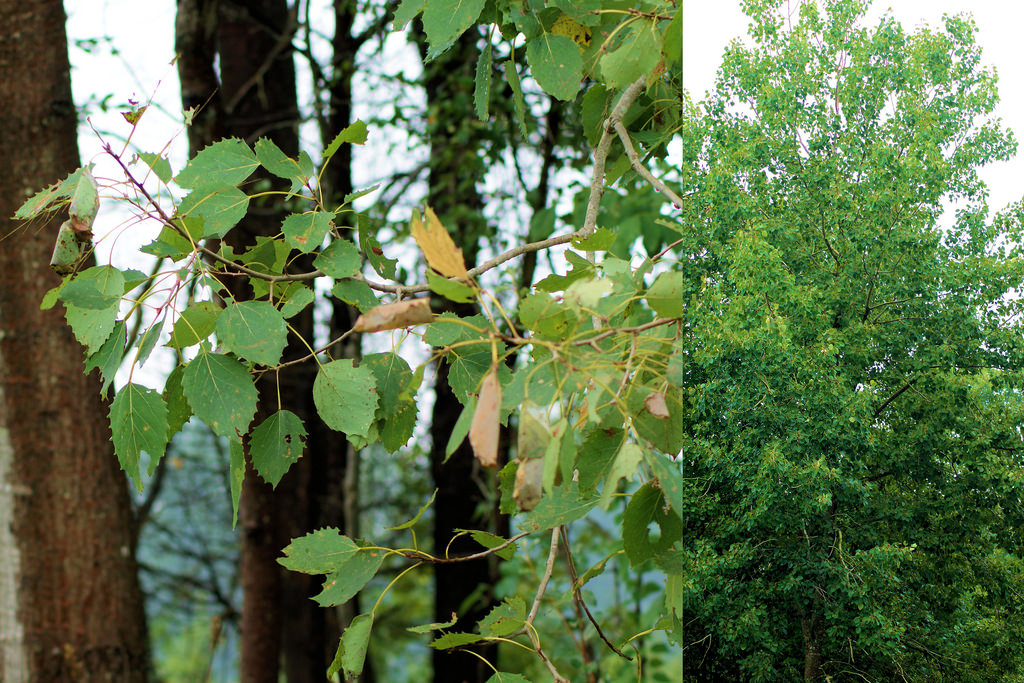
Bigtooth Aspen in Anne Arundel Co., Maryland (8/18/2011).
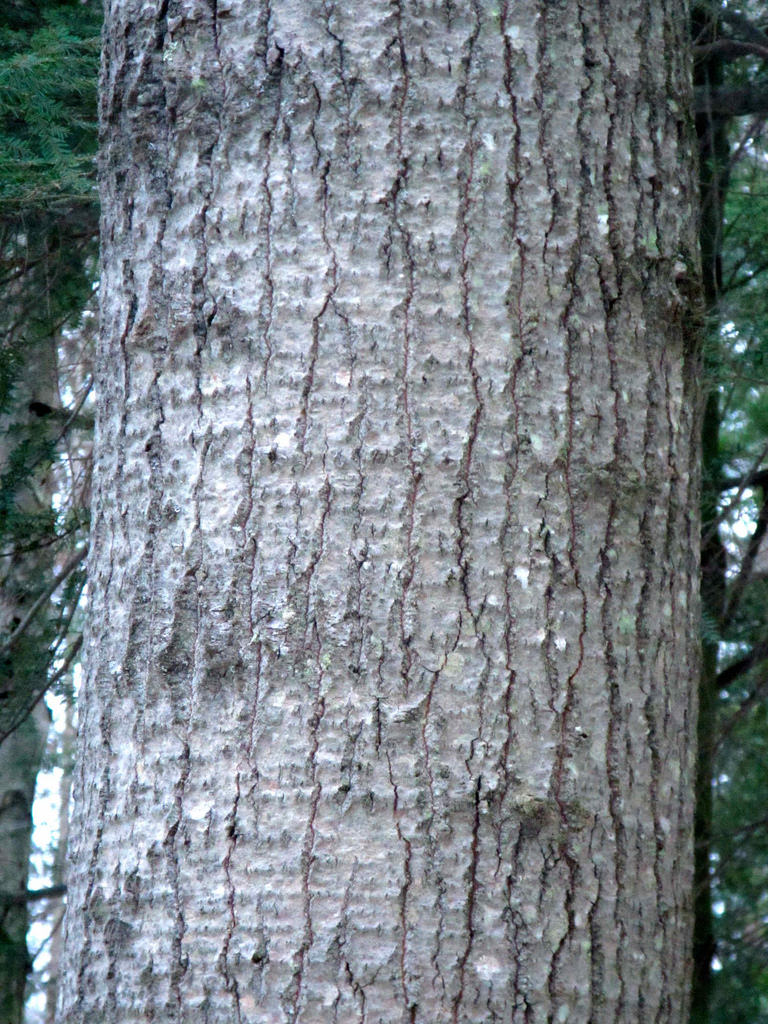
Bigtooth Aspen in Garrett Co., Maryland (11/19/2018).
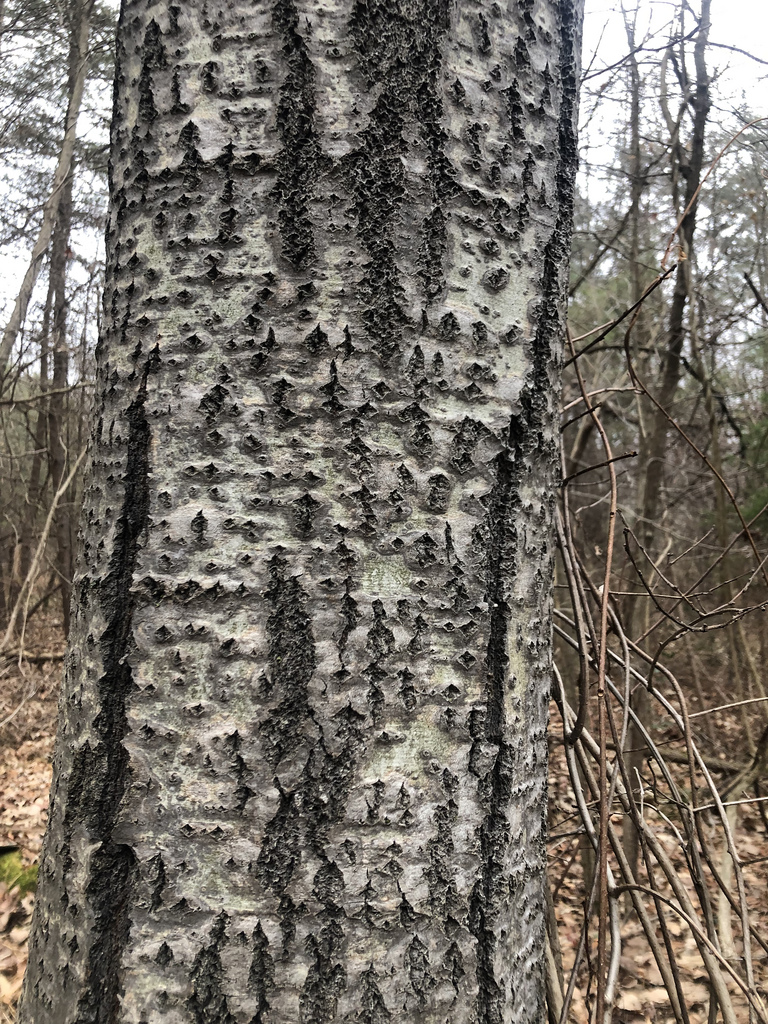
Bigtooth Aspen in Anne Arundel Co., Maryland (12/14/2018).
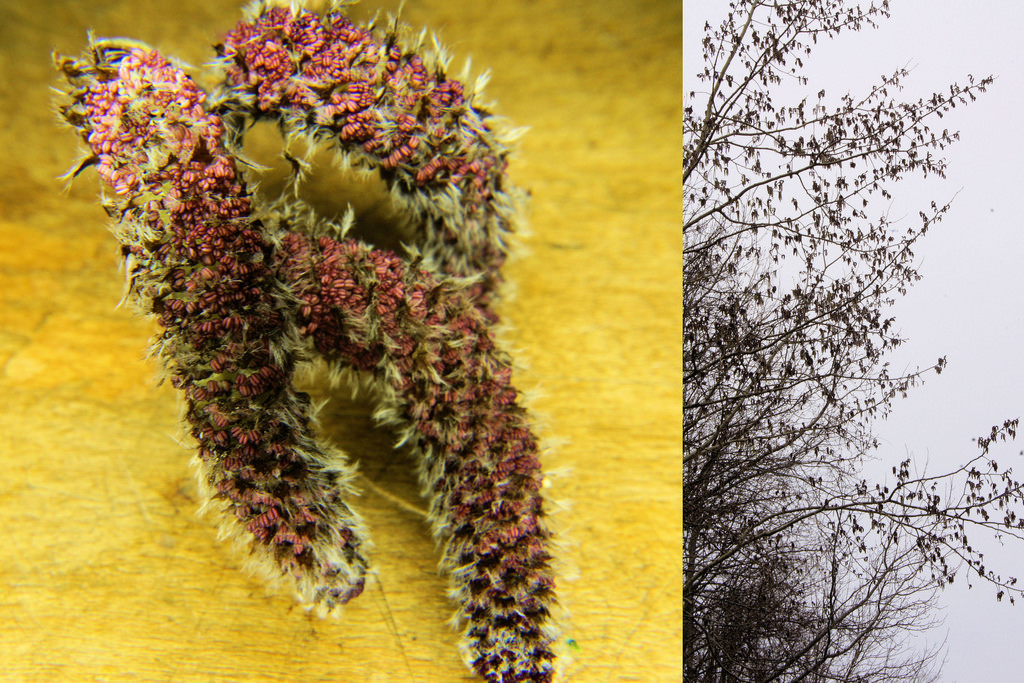
Bigtooth Aspen in Anne Arundel Co., Maryland (3/21/2011).
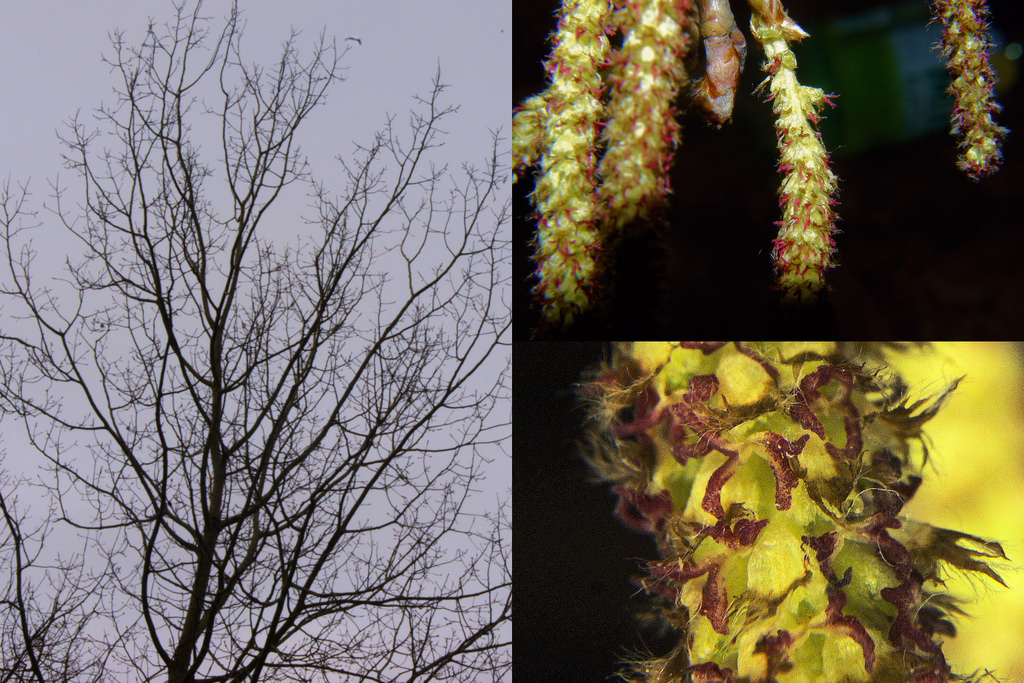
Bigtooth Aspen in Anne Arundel Co., Maryland (3/21/2011).
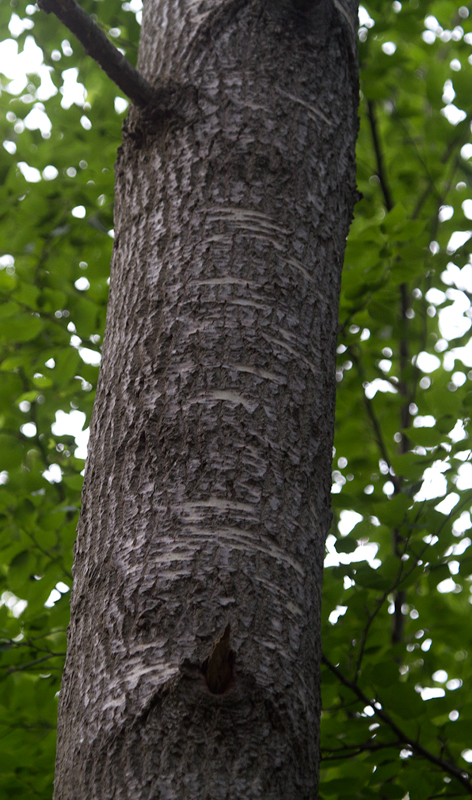
Bigtooth Aspen in Garrett Co., Maryland (7/8/2012).
Photo by
Bill Hubick
MBP List
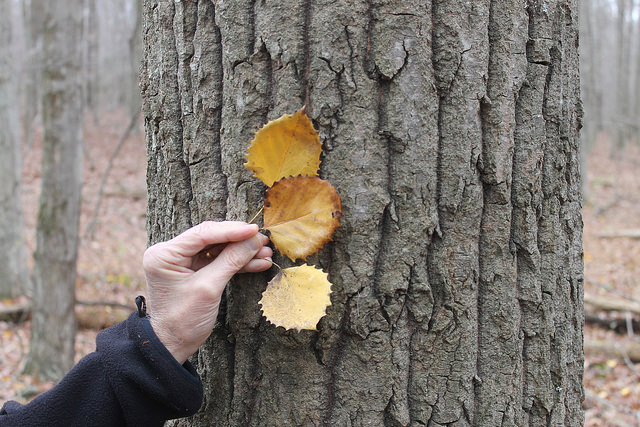
Bigtooth Aspen, autumn leaves against trunk of old specimen, in Frederick Co., Maryland (11/7/2015).
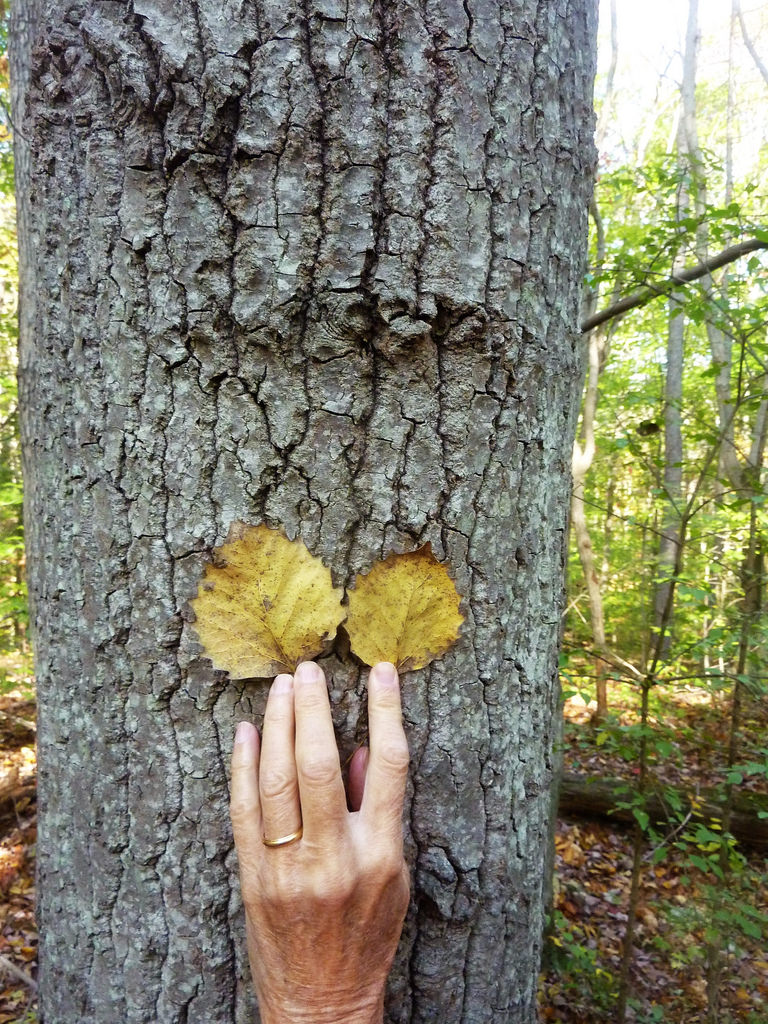
Bigtooth Aspen in Montgomery Co., Maryland (10/23/2016).
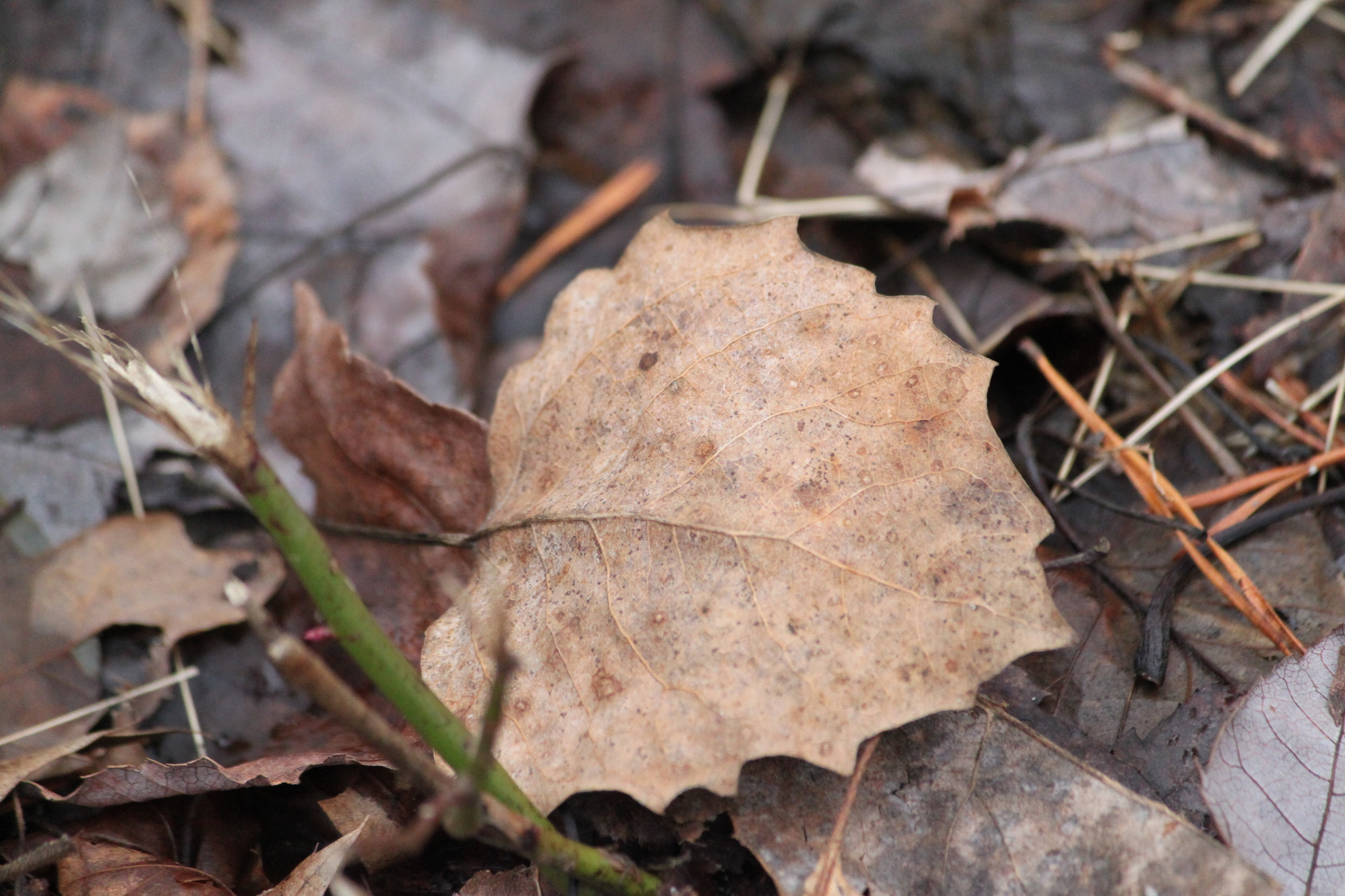
Bigtooth Aspen in Baltimore Co., Maryland (1/9/2019). (c) Peter M Martin, some rights reserved (CC BY-NC).
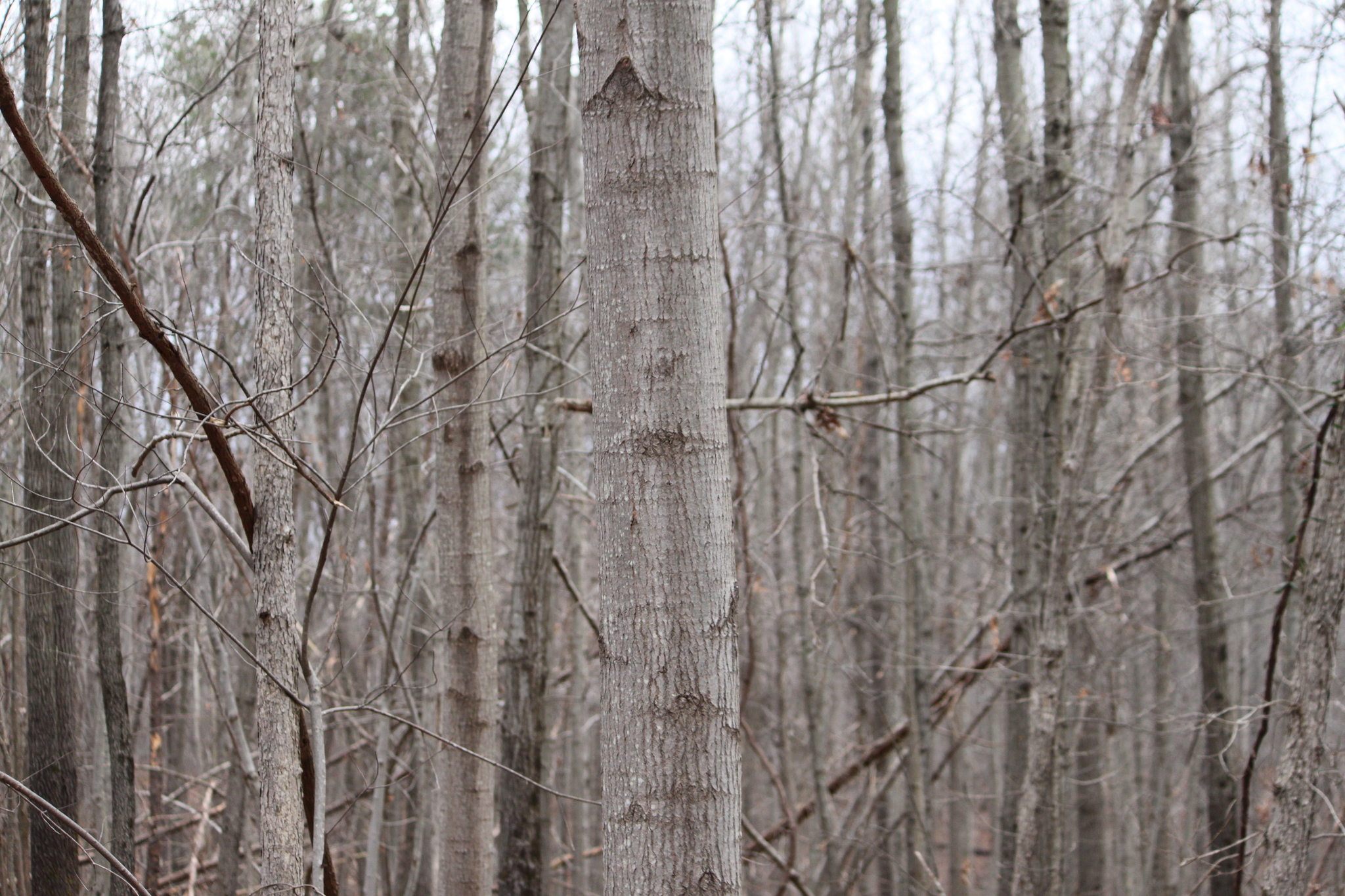
Bigtooth Aspen in Baltimore Co., Maryland (1/9/2019). (c) Peter M Martin, some rights reserved (CC BY-NC).
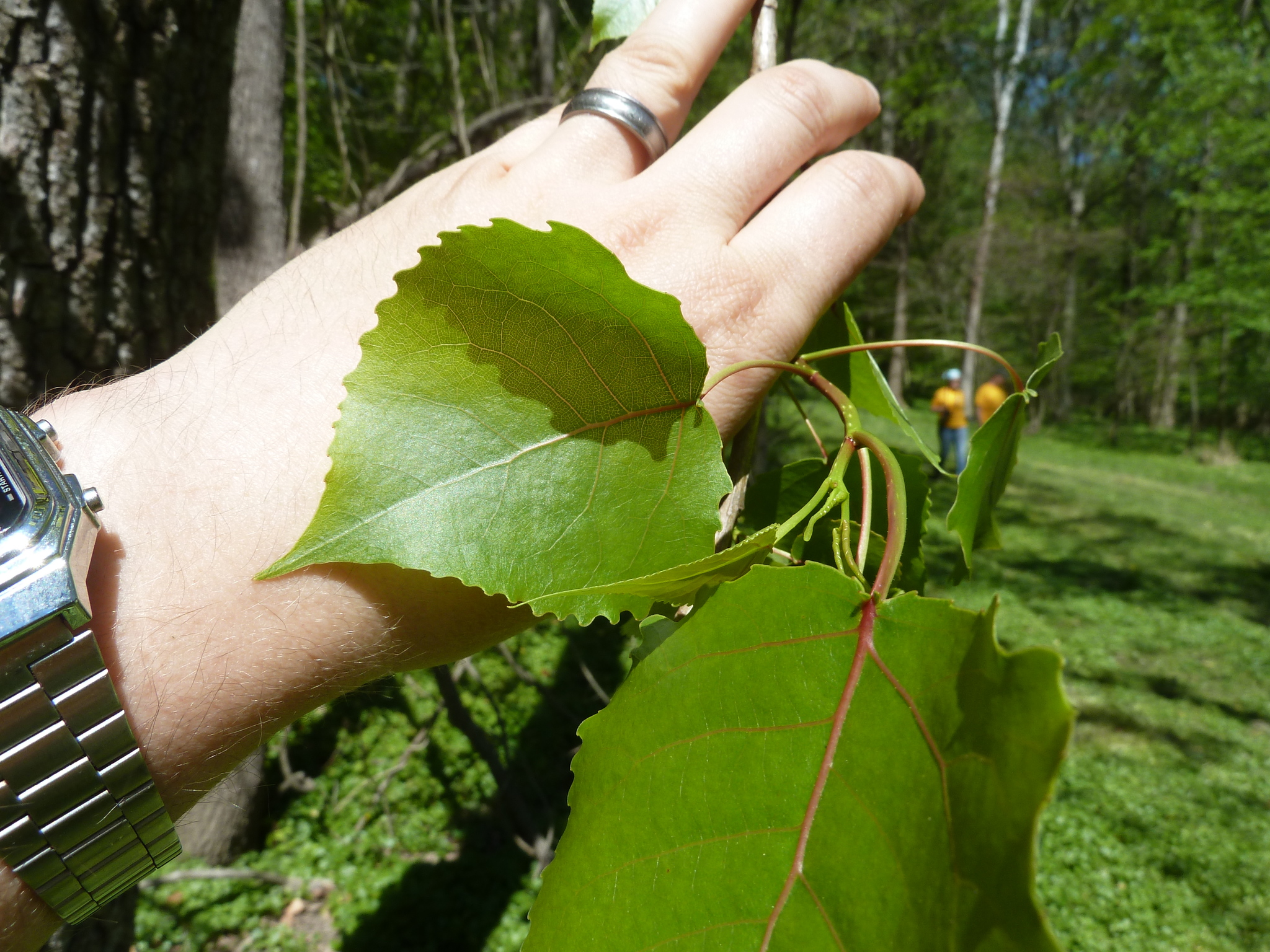
Bigtooth Aspen in Baltimore City, Maryland (4/27/2019). (c) Brett M, some rights reserved (CC BY-NC).

Bigtooth Aspen in Baltimore Co., Maryland (1/22/2020). (c) Peter M Martin, some rights reserved (CC BY-NC).
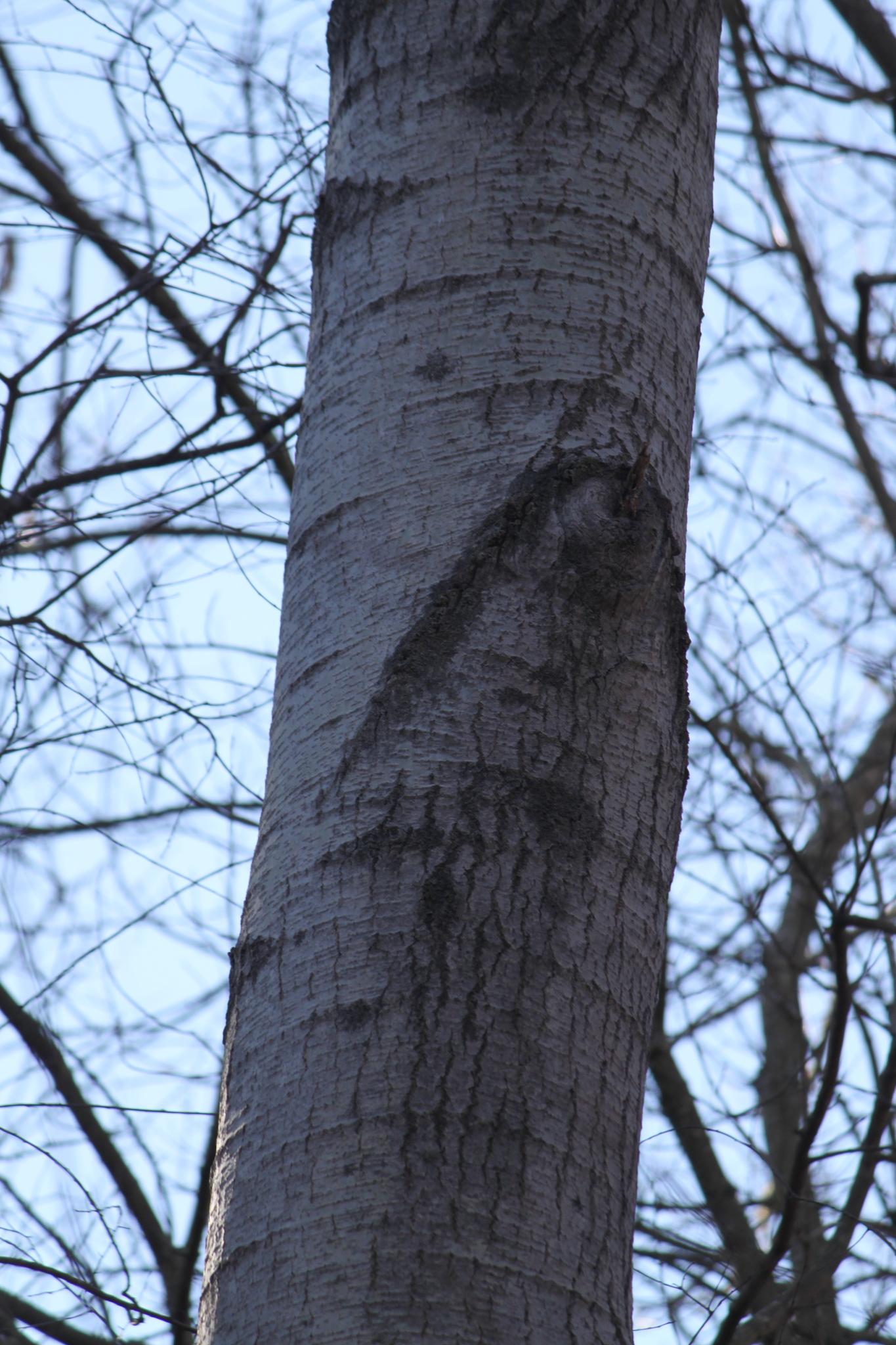
Bigtooth Aspen in Baltimore Co., Maryland (1/22/2020). (c) Peter M Martin, some rights reserved (CC BY-NC).
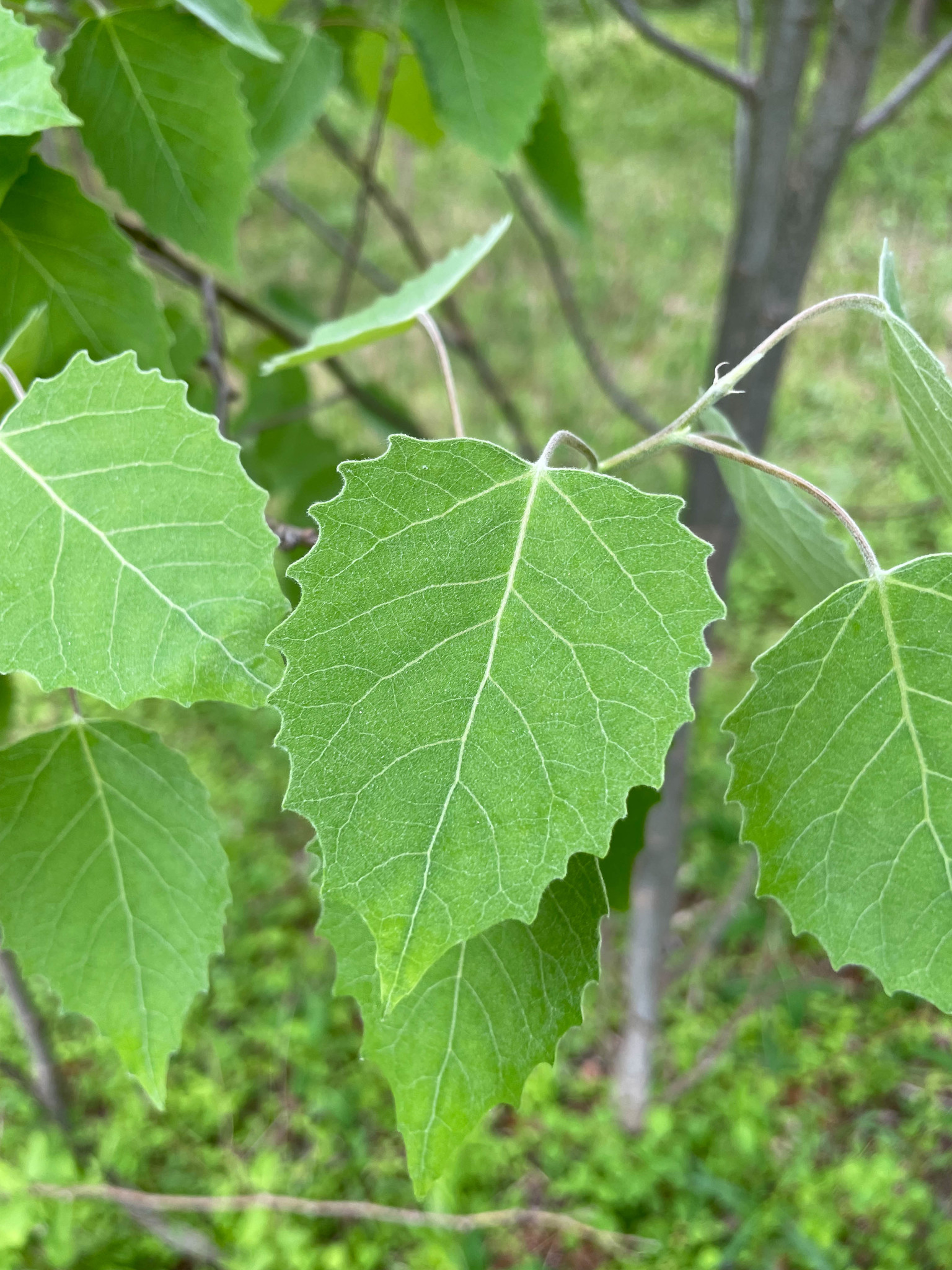
Bigtooth Aspen in Frederick Co., Maryland (Date obscured). (c) johnbotany, some rights reserved (CC BY-NC).
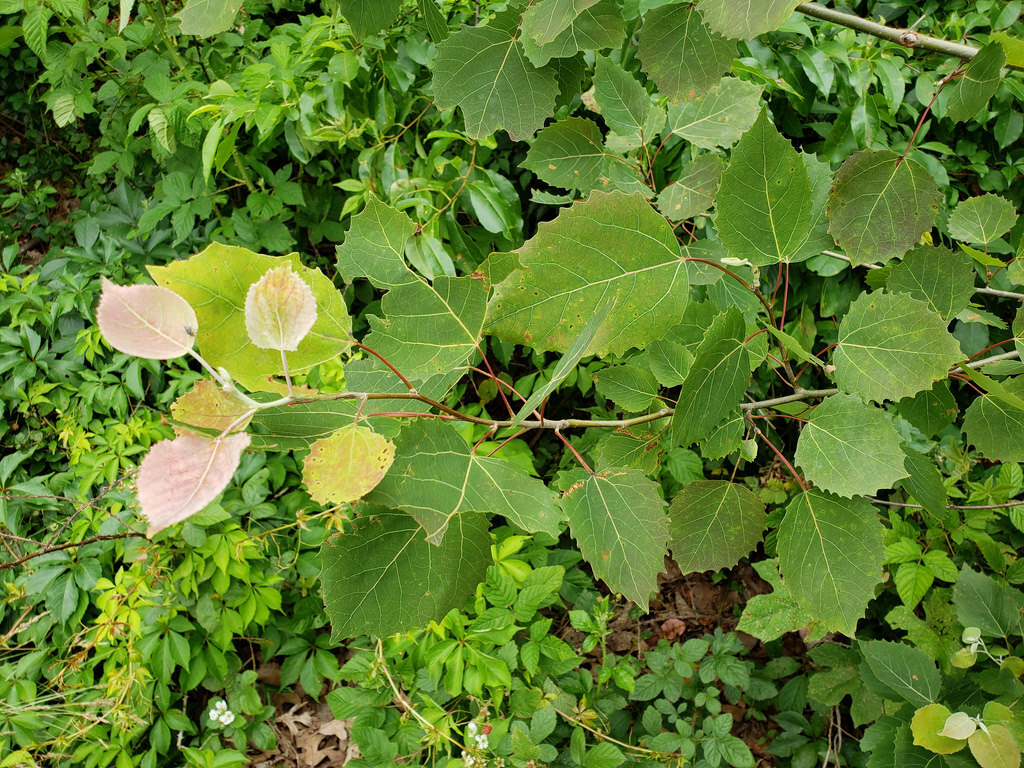
Bigtooth Aspen in Anne Arundel Co., Maryland (6/25/2018). (c) Bill Hubick, all rights reserved.
Map Snapshot


187 Records
Status
Bigtooth Aspen is distributed from Nova Scotia to northeastern North Dakota, through the Lake States, in the northeasten U.S., and along the Appalachians to Tennessee. It is a pioneer tree that colonizes open, disturbed areas. Although mature trees are easily damaged by fire because of their thin bark, Big-Toothed Aspen can rapidly regenerate because its underground runners produce clonal trees quickly. This cloning ability makes Bigtooth Aspen important in reclaiming logged and eroded lands, old fields, and mine sites.
Description
A small to medium sized tree. The trunk is relatively straight and the crown sparse. Leaves are roughly circular in outline, with large teeth. The leafstalks are flattened perpendicular to the plane of the blade. The leaves are white-woolly beneath when young. Bark is gray and mostly smooth in young trees but becomes gray-brown, rough, and deeply furrowed in older specimens. Flowers are small catkins, male and female borne on separate trees. Fruits are small, narrow capsules closely packed on the female catkin. The root system is shallow, woody, and widely spreading, giving the species its ability to produce clonal trees quickly. As a successional species, Bigtooth Aspen is not generally long lived, but can reach 100 years.
Where To Find
Bigtooth Aspen is often found in sandy soils of stream valleys and slopes, but also occurs on many other kinds of sites, including swampy ones.
Relationships
Host plant to various moth species including Gypsonoma substitutionis, Black-rimmed Prominent Moth, Common Gluphisia Moth, Black-etched Prominent Moth, and possibly Four-spotted Gluphisia Moth (Gilligan, Wright, & Gibson, 2008, Miller et al., 2018).
A favorite food of beavers and also used in their dams (Brown and Brown, 1972).
A favorite food of beavers and also used in their dams (Brown and Brown, 1972).
Citations
No citations linked for this taxon yet.
Use of media featured on Maryland
Biodiversity Project is only permitted with express permission of the
photographer.
Bigtooth Aspen leaves in Anne Arundel Co., Maryland (8/5/2012).
Media by
Bill Hubick.
A young Bigtooth Aspen growing along a weedy roadside in Dorchester Co., Maryland (6/2/2012).
Media by
Jim Brighton.
Bigtooth Aspen, young tree, in Frederick Co., Maryland (7/24/2016).
View Record Details
Media by
Jane Hill.
Bigtooth Aspen leaves in Tucker Co., West Virginia (7/9/2012).
Media by
Jim Brighton.
Bigtooth Aspen leaves changing into fall colors in Garrett Co., Maryland (9/27/2012).
Media by
Matt Tillett.
Bigtooth Aspen in Howard Co., Maryland (4/27/2014).
View Record Details
Media by
Bill Harms.
Bigtooth Aspen in Anne Arundel Co., Maryland (8/18/2011).
View Record Details
Media by
Bill Harms.
Bigtooth Aspen in Garrett Co., Maryland (11/19/2018).
View Record Details
Media by
Boyer and McDowell.
Bigtooth Aspen in Anne Arundel Co., Maryland (12/14/2018).
View Record Details
Media by
Matt Grey.
Bigtooth Aspen in Anne Arundel Co., Maryland (3/21/2011).
View Record Details
Media by
Bill Harms.
Bigtooth Aspen in Anne Arundel Co., Maryland (3/21/2011).
View Record Details
Media by
Bill Harms.
Bigtooth Aspen in Garrett Co., Maryland (7/8/2012).
Media by
Bill Hubick.
Bigtooth Aspen, autumn leaves against trunk of old specimen, in Frederick Co., Maryland (11/7/2015).
View Record Details
Media by
Jane Hill.
Bigtooth Aspen in Montgomery Co., Maryland (10/23/2016).
View Record Details
Media by
Bill Hill.
Bigtooth Aspen in Baltimore Co., Maryland (1/9/2019). (c) Peter M Martin, some rights reserved (CC BY-NC).
View Record Details
Media by
Peter M Martin via iNaturalist.
Bigtooth Aspen in Baltimore Co., Maryland (1/9/2019). (c) Peter M Martin, some rights reserved (CC BY-NC).
View Record Details
Media by
Peter M Martin via iNaturalist.
Bigtooth Aspen in Baltimore City, Maryland (4/27/2019). (c) Brett M, some rights reserved (CC BY-NC).
View Record Details
Media by
Brett M via iNaturalist.
Bigtooth Aspen in Baltimore Co., Maryland (1/22/2020). (c) Peter M Martin, some rights reserved (CC BY-NC).
View Record Details
Media by
Peter M Martin via iNaturalist.
Bigtooth Aspen in Baltimore Co., Maryland (1/22/2020). (c) Peter M Martin, some rights reserved (CC BY-NC).
View Record Details
Media by
Peter M Martin via iNaturalist.
Bigtooth Aspen in Frederick Co., Maryland (Date obscured). (c) johnbotany, some rights reserved (CC BY-NC).
View Record Details
Media by
John Hall.
Bigtooth Aspen in Anne Arundel Co., Maryland (6/25/2018). (c) Bill Hubick, all rights reserved.
View Record Details
Media by
Bill Hubick.