Habitat: Bark of dead trees. especially oak. This species is a recent introduction to the Western Hemisphere. It was first identified in Massachusetts in 2011 according to Gary Emberger's "Fungi Growing on Wood" website (Messiah College). (J. Solem, pers. comm.)
Description
Compare Radulomyces paumanokensis.
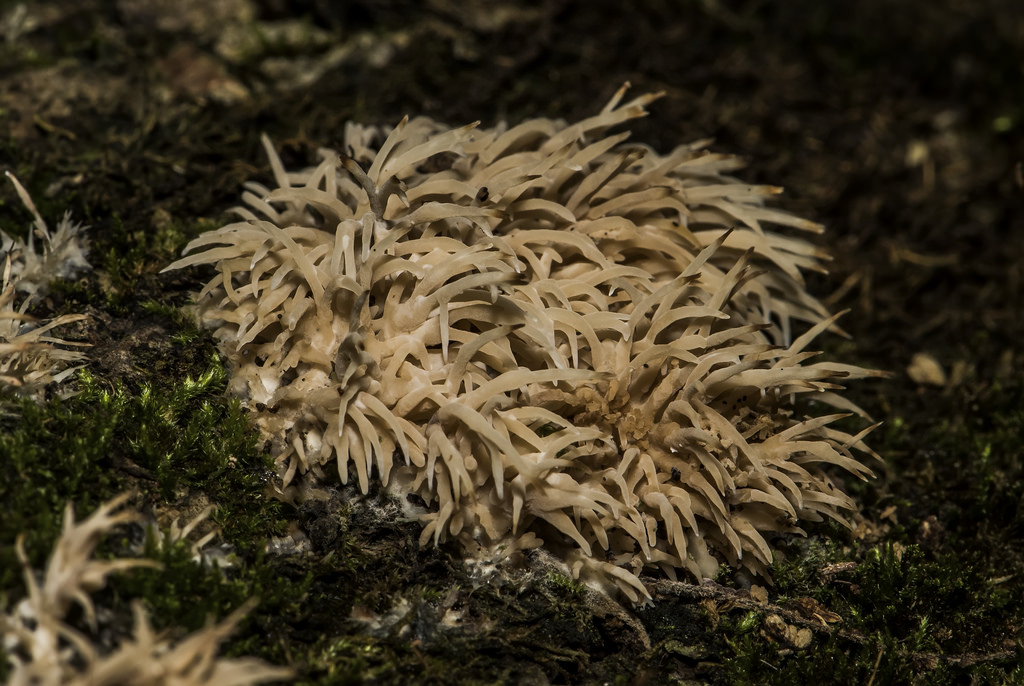
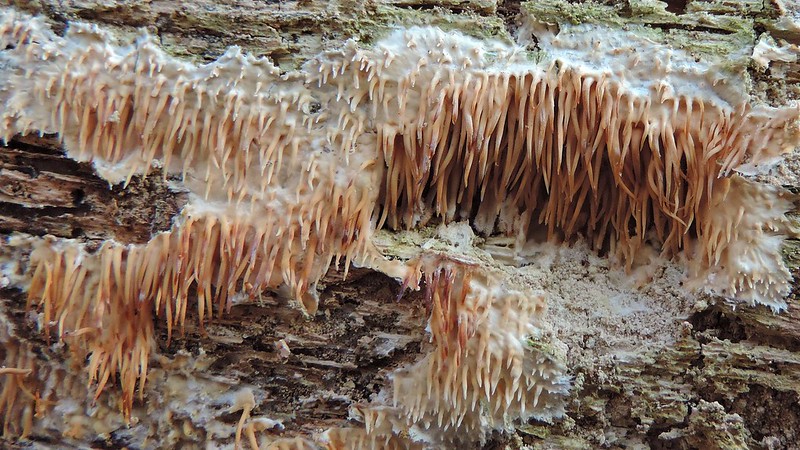
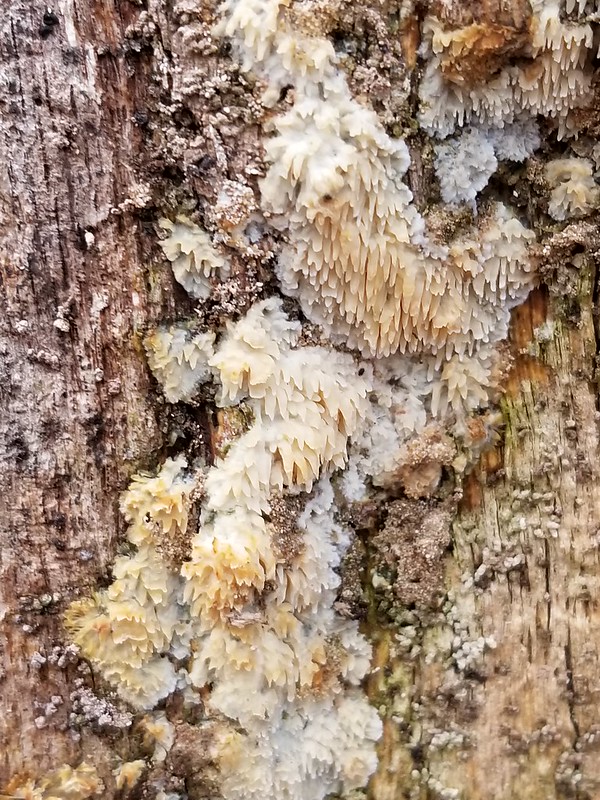
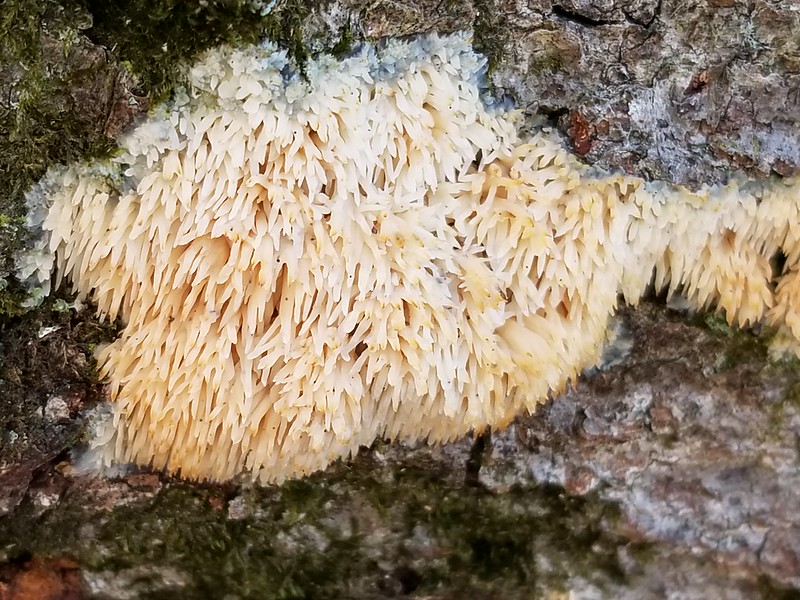
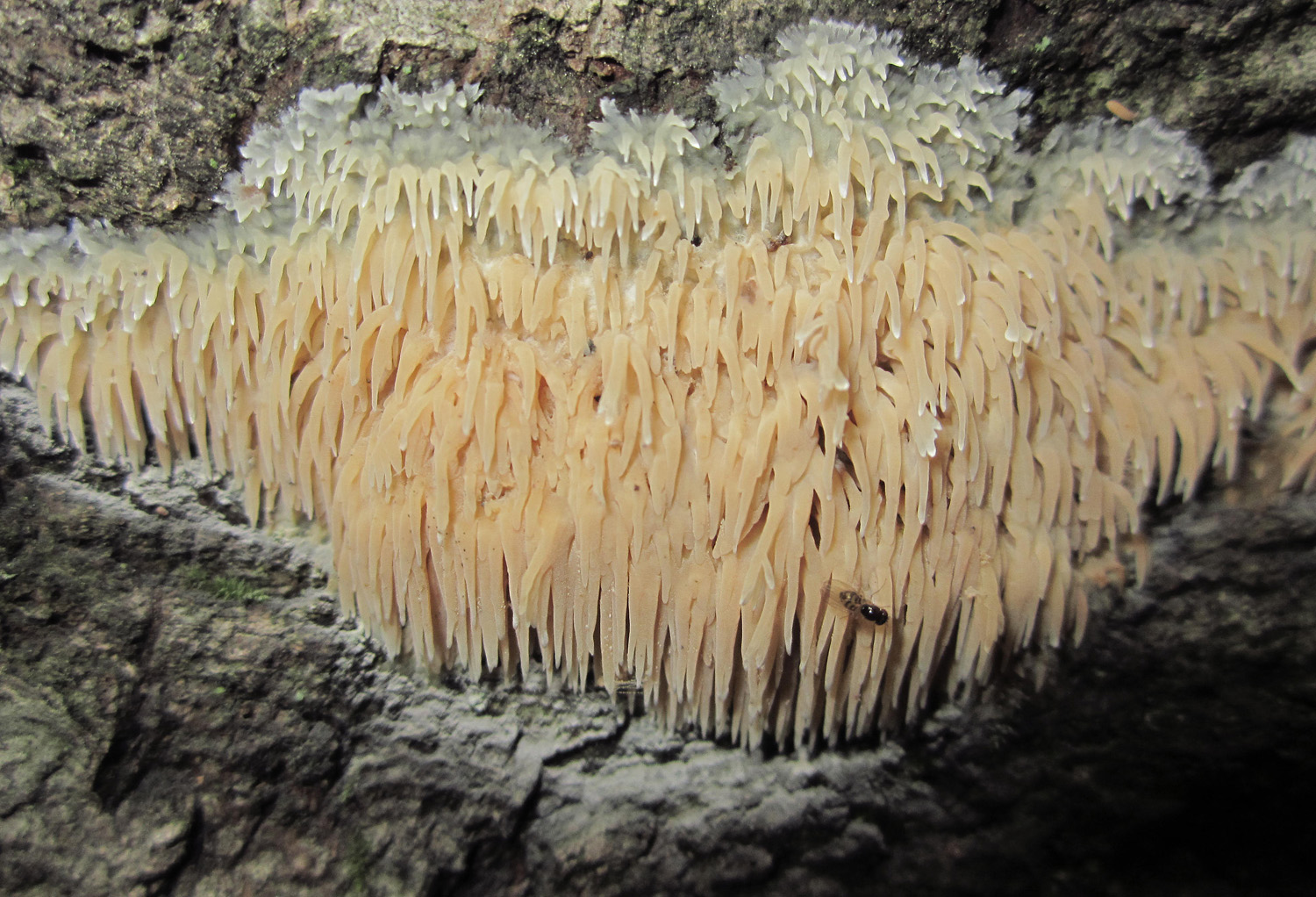
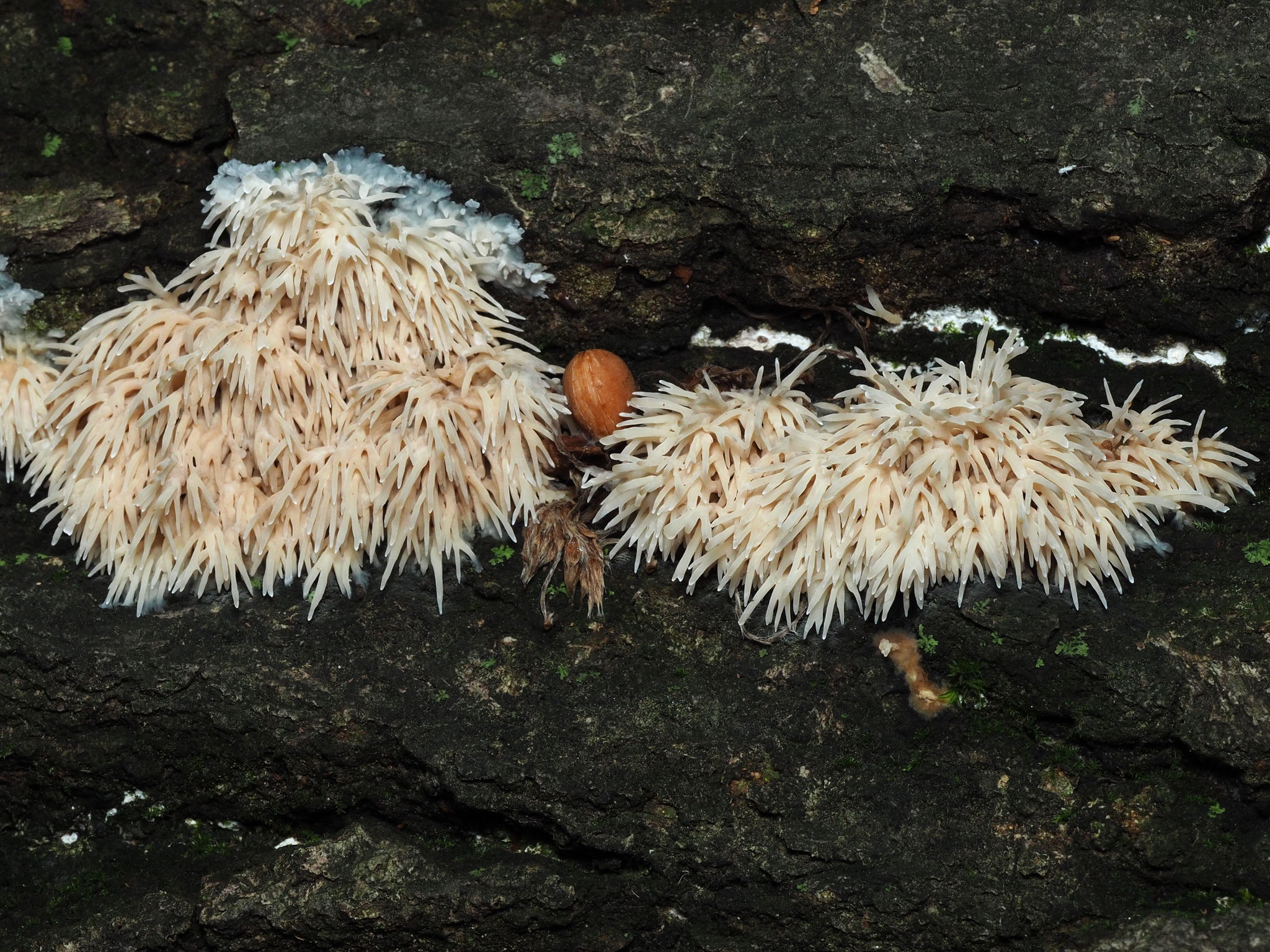
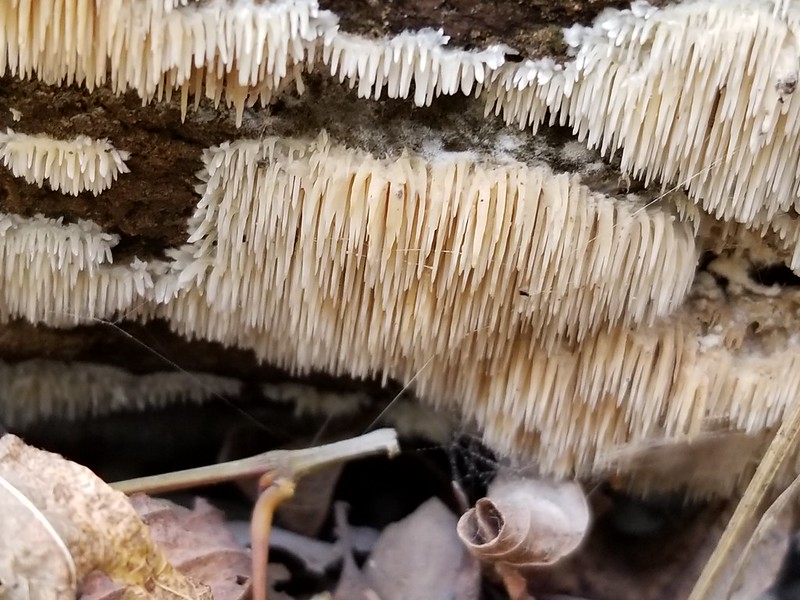
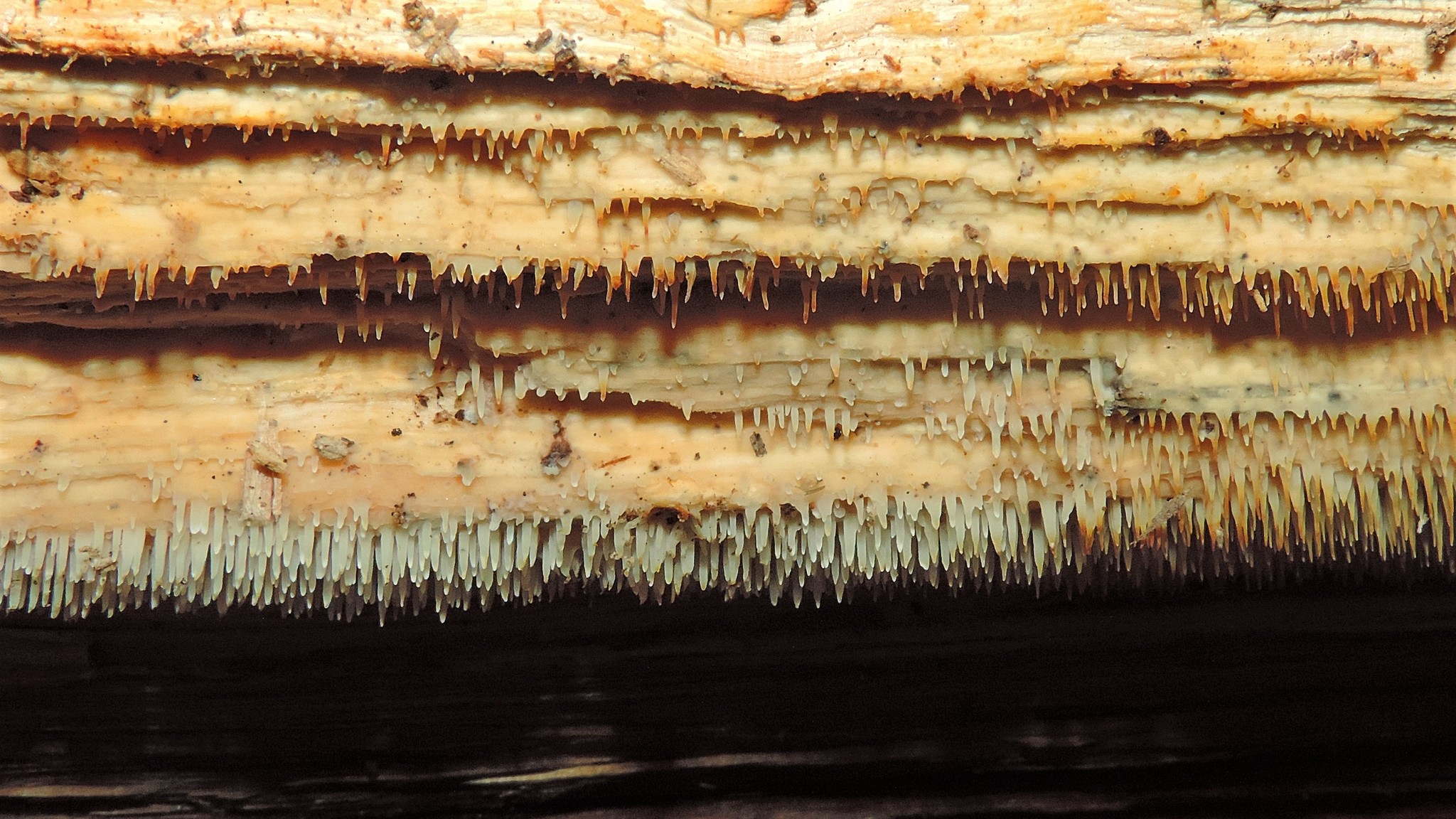
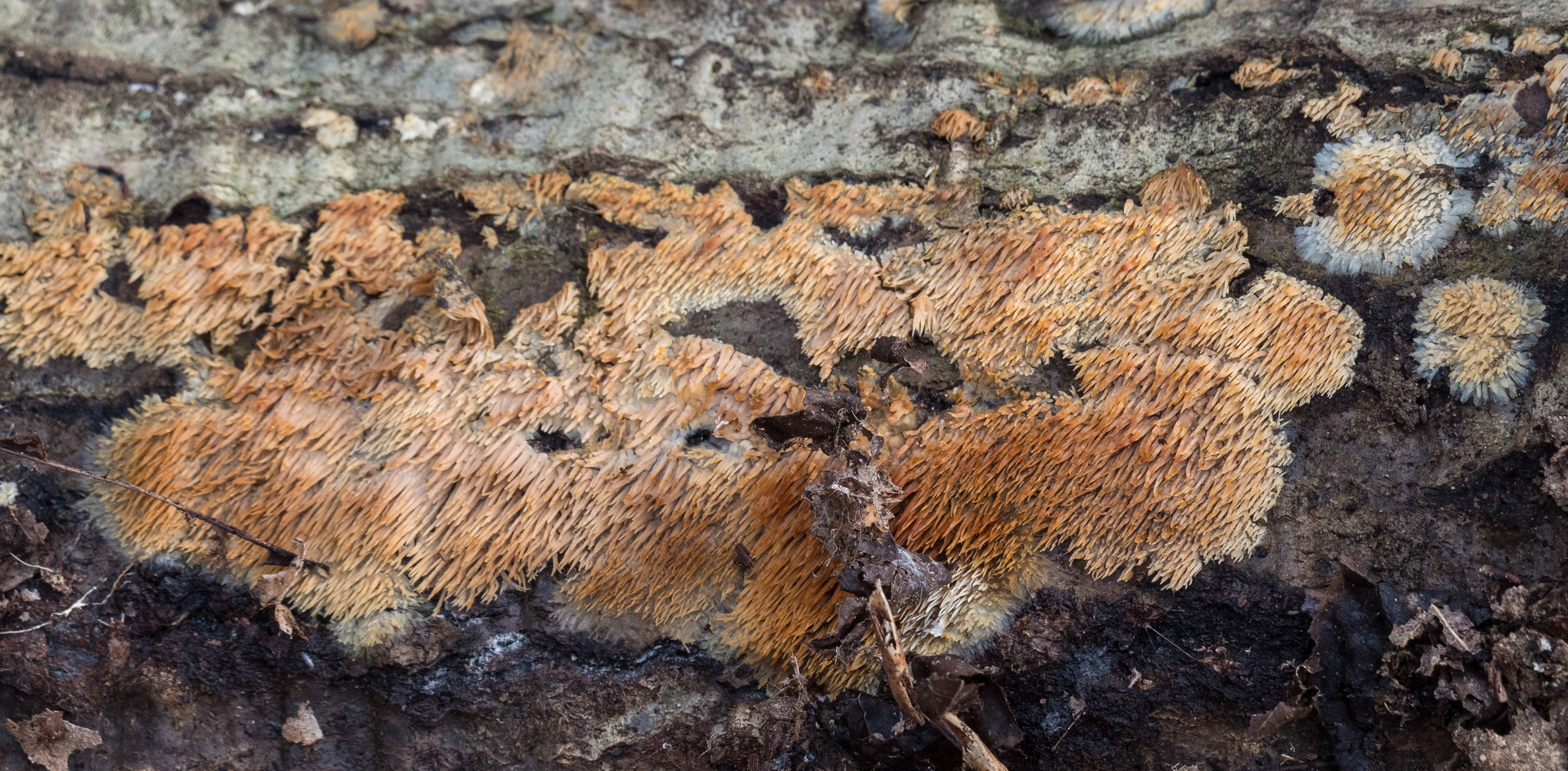
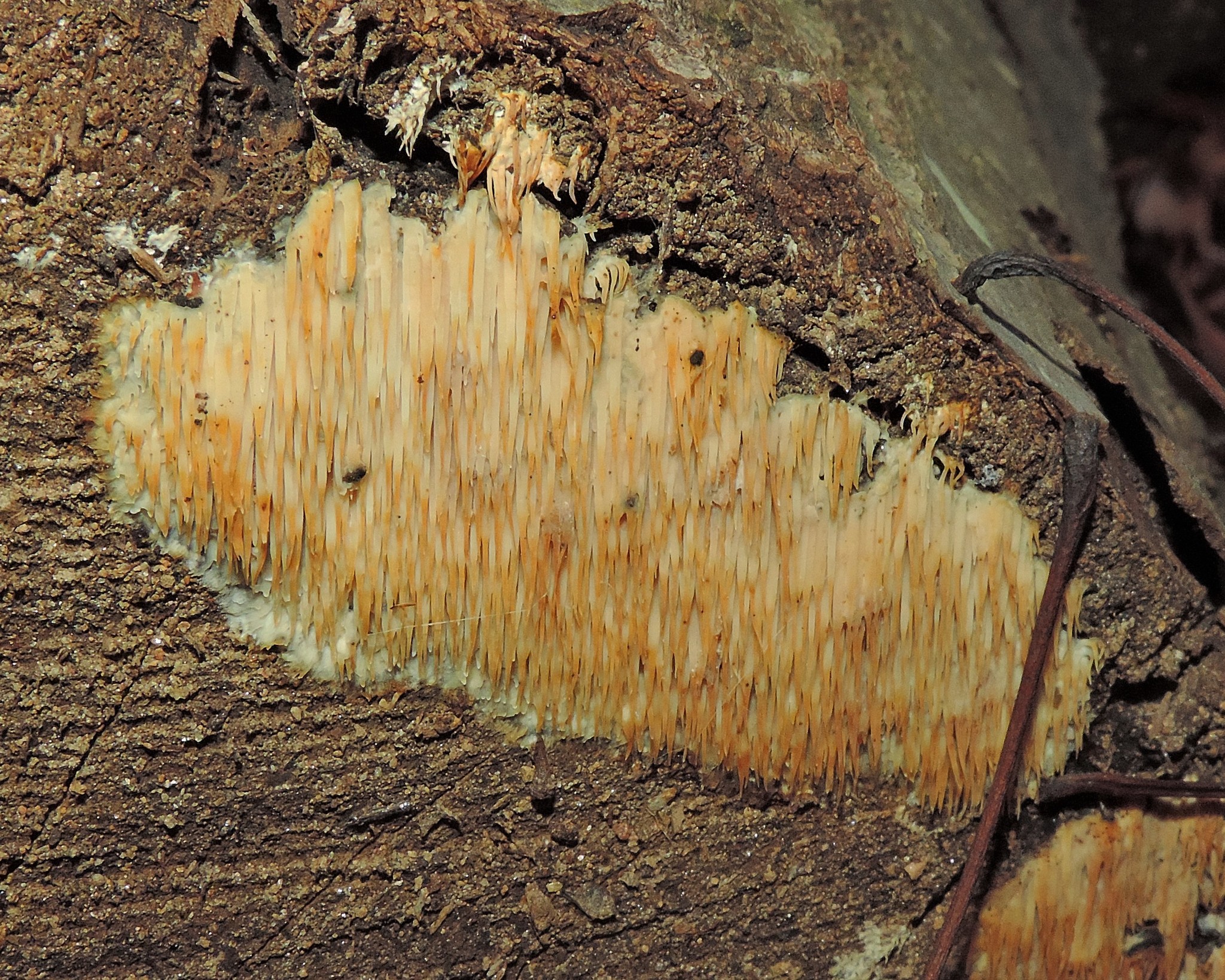
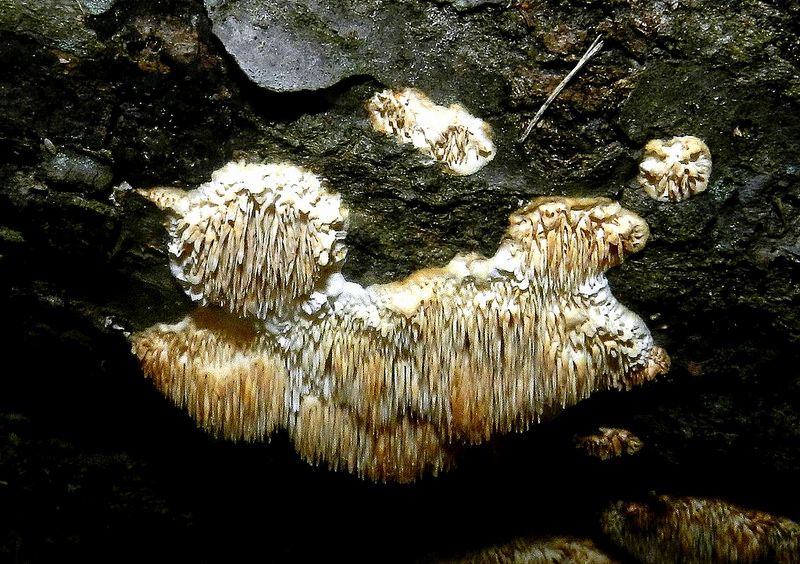
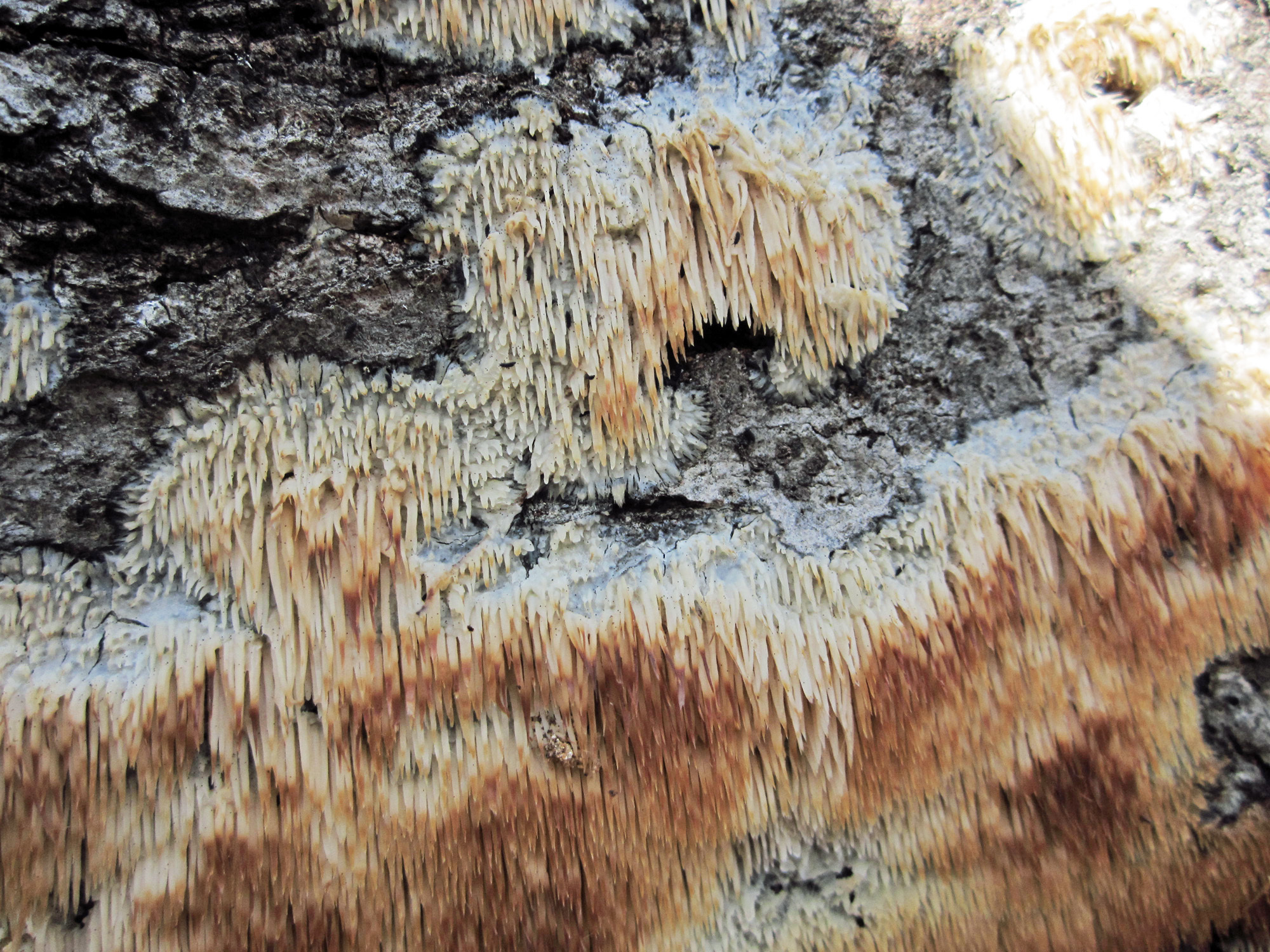
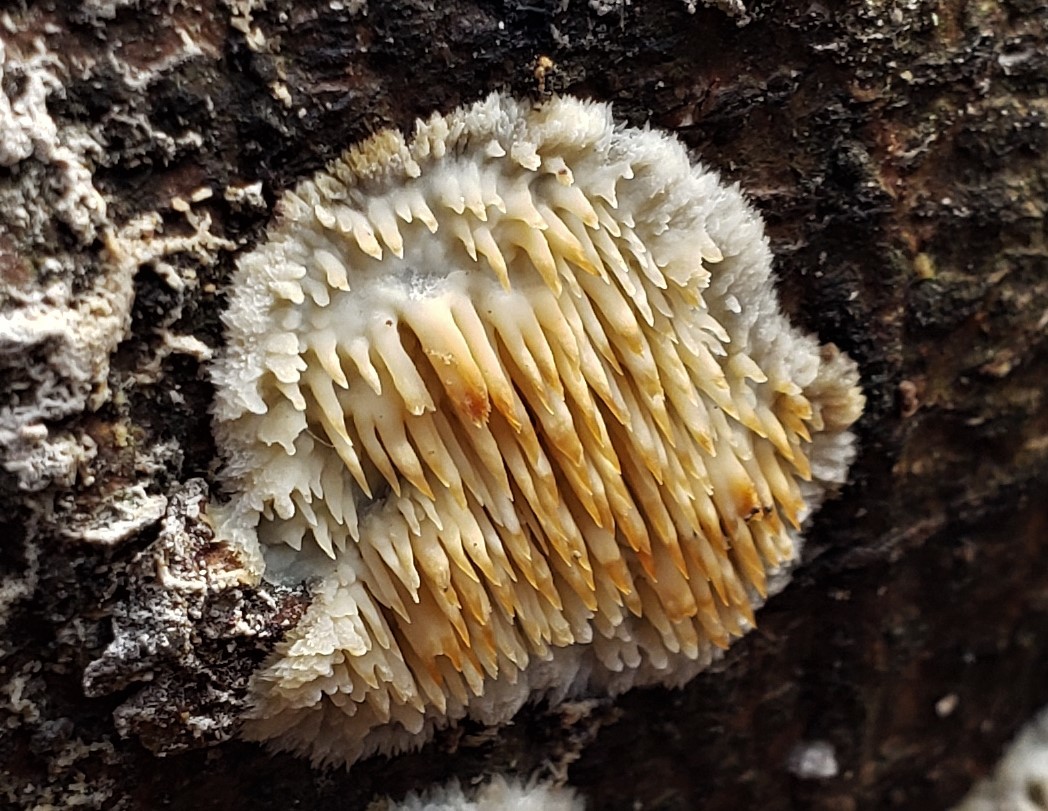
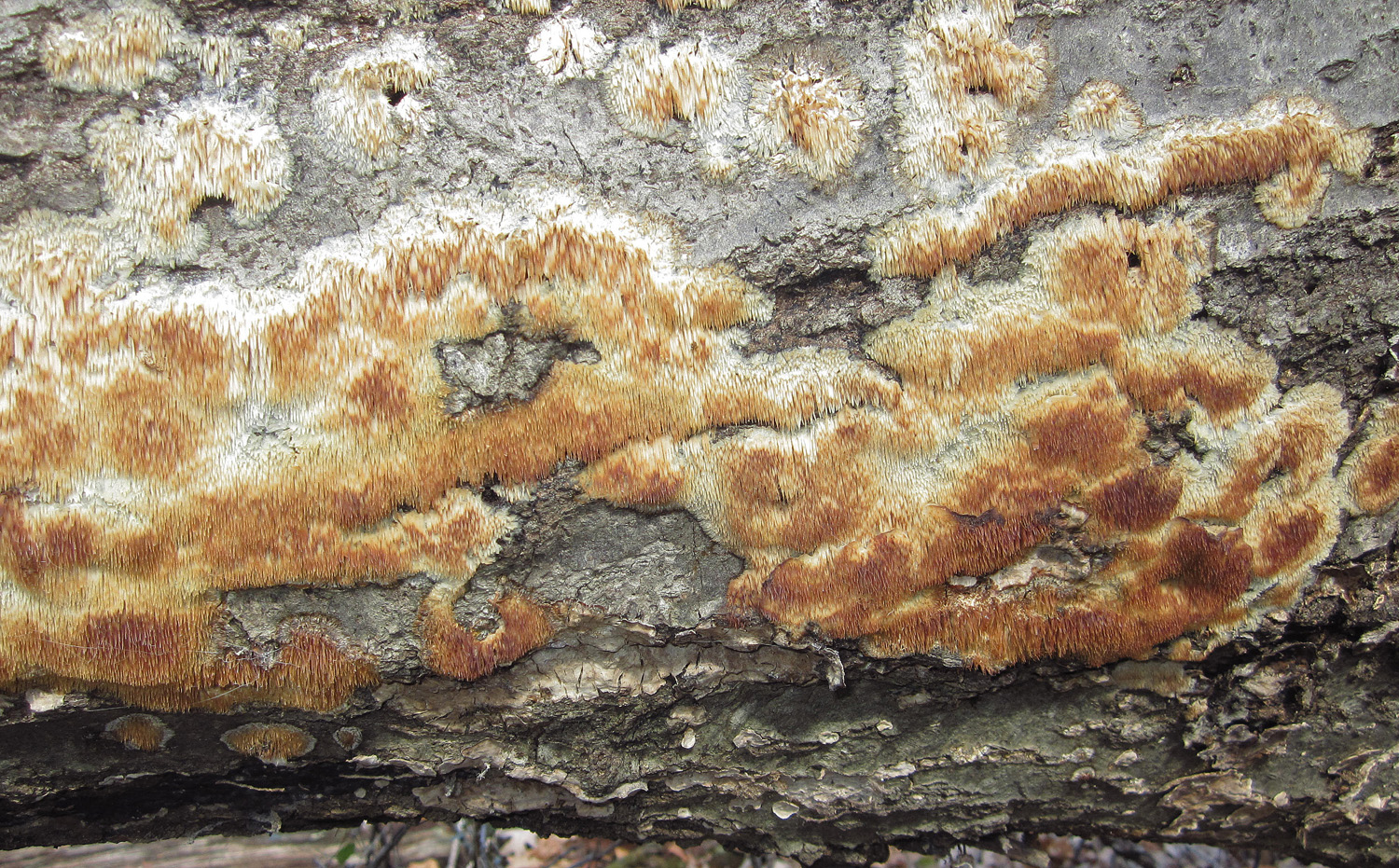
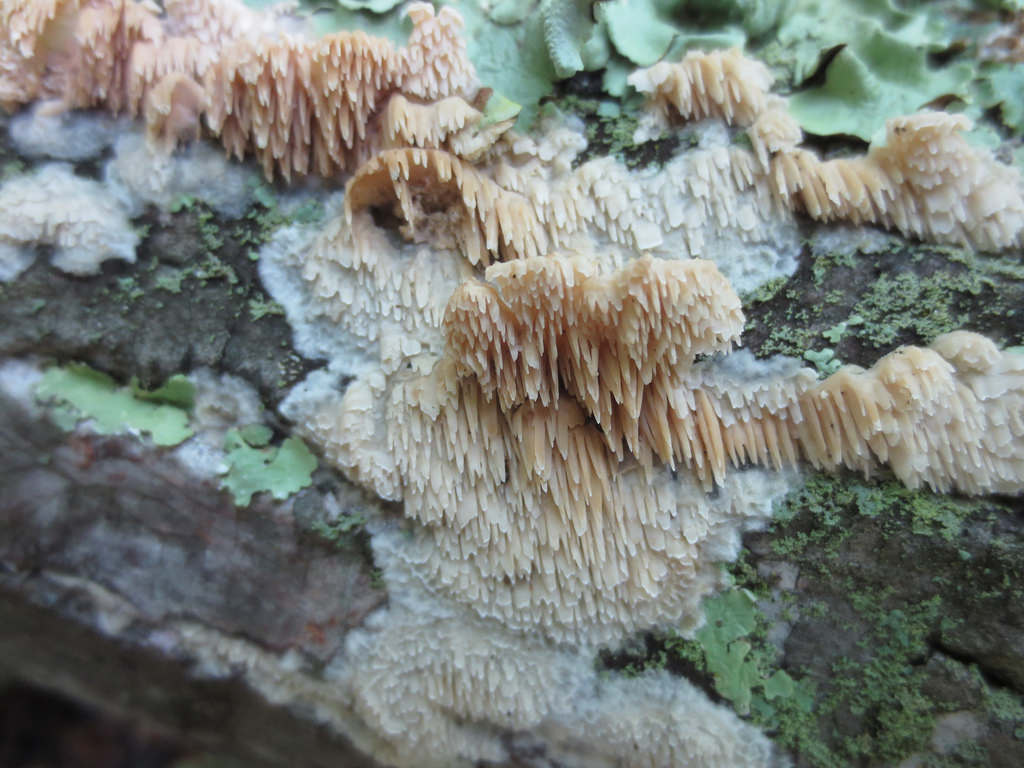
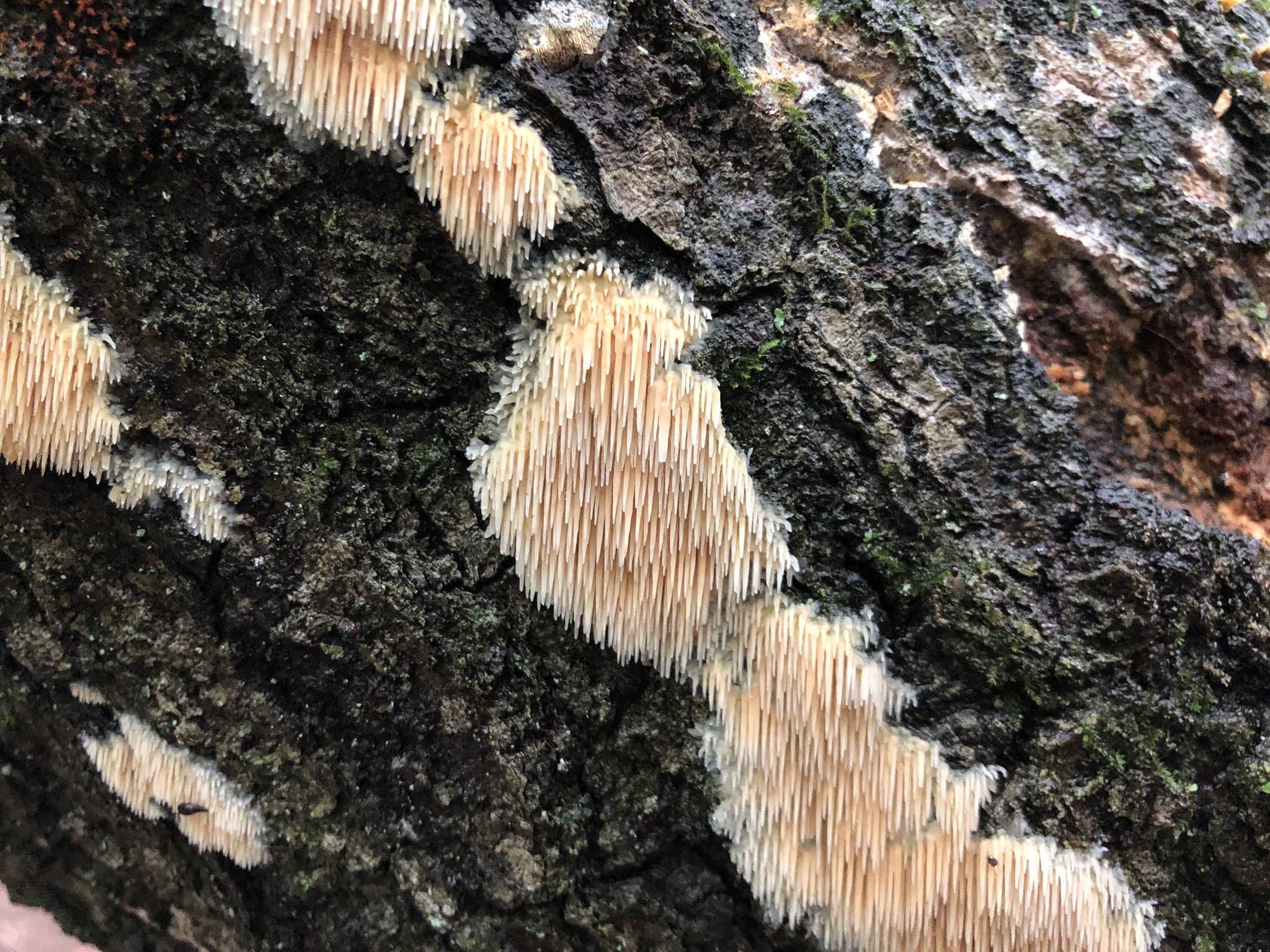
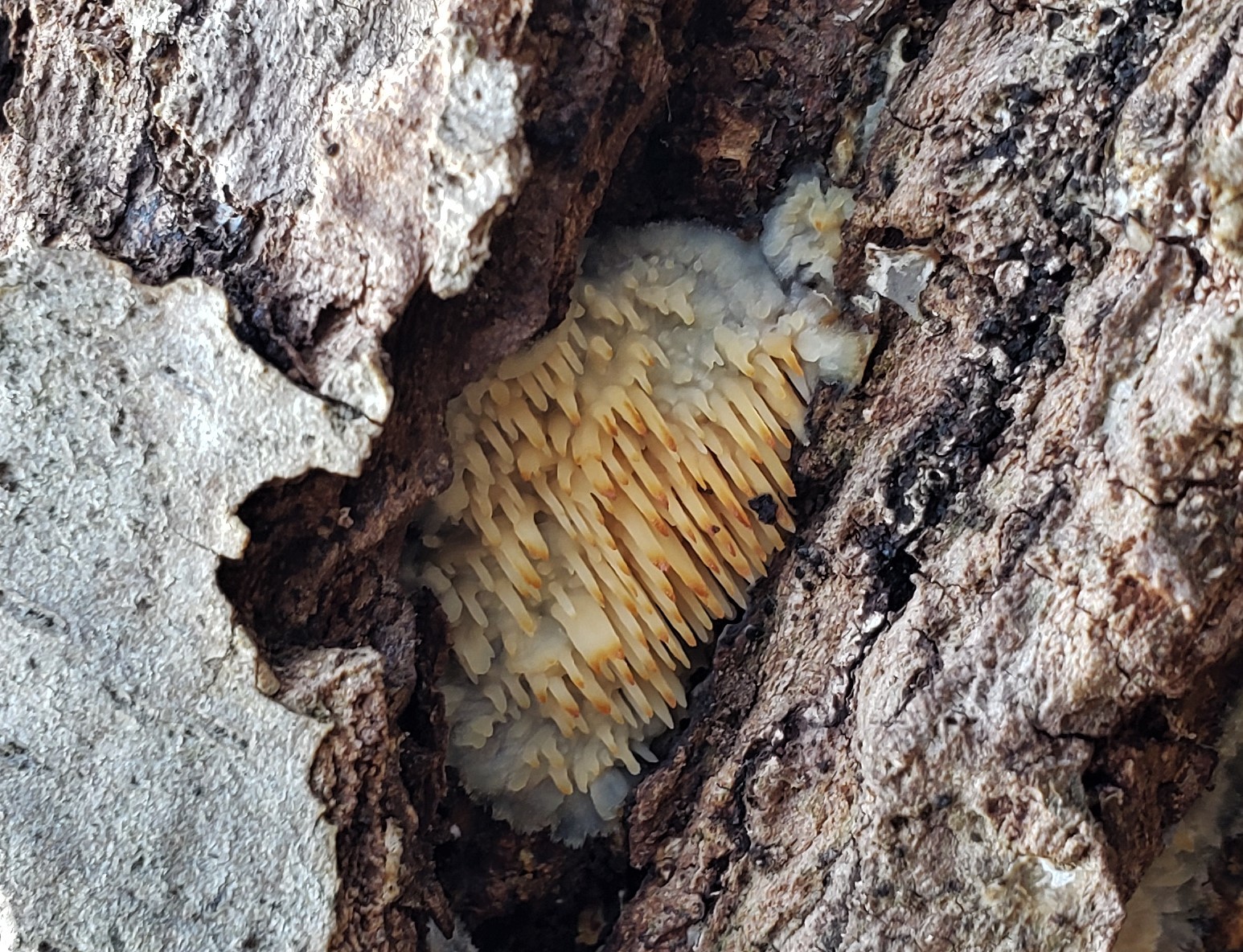
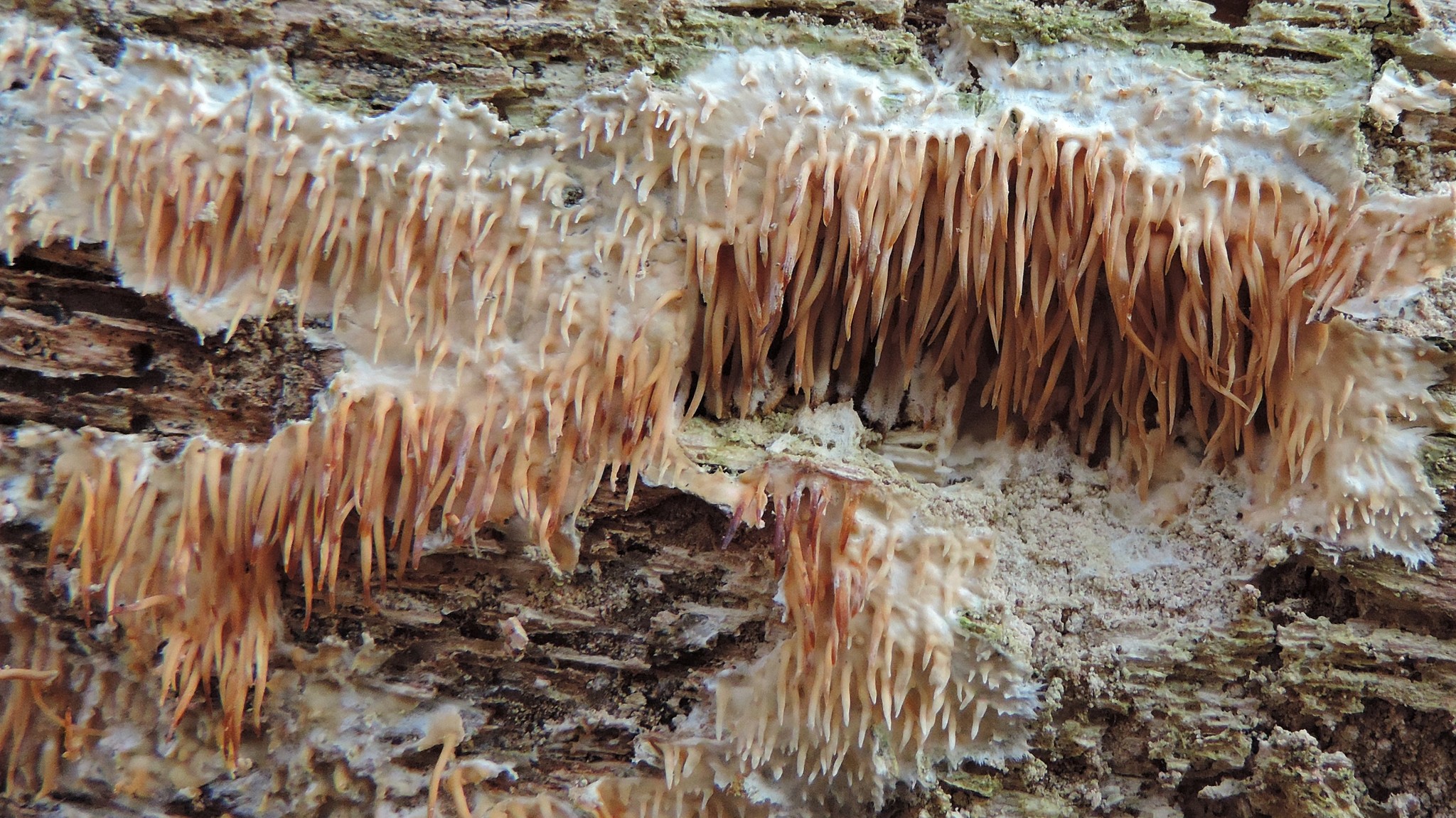
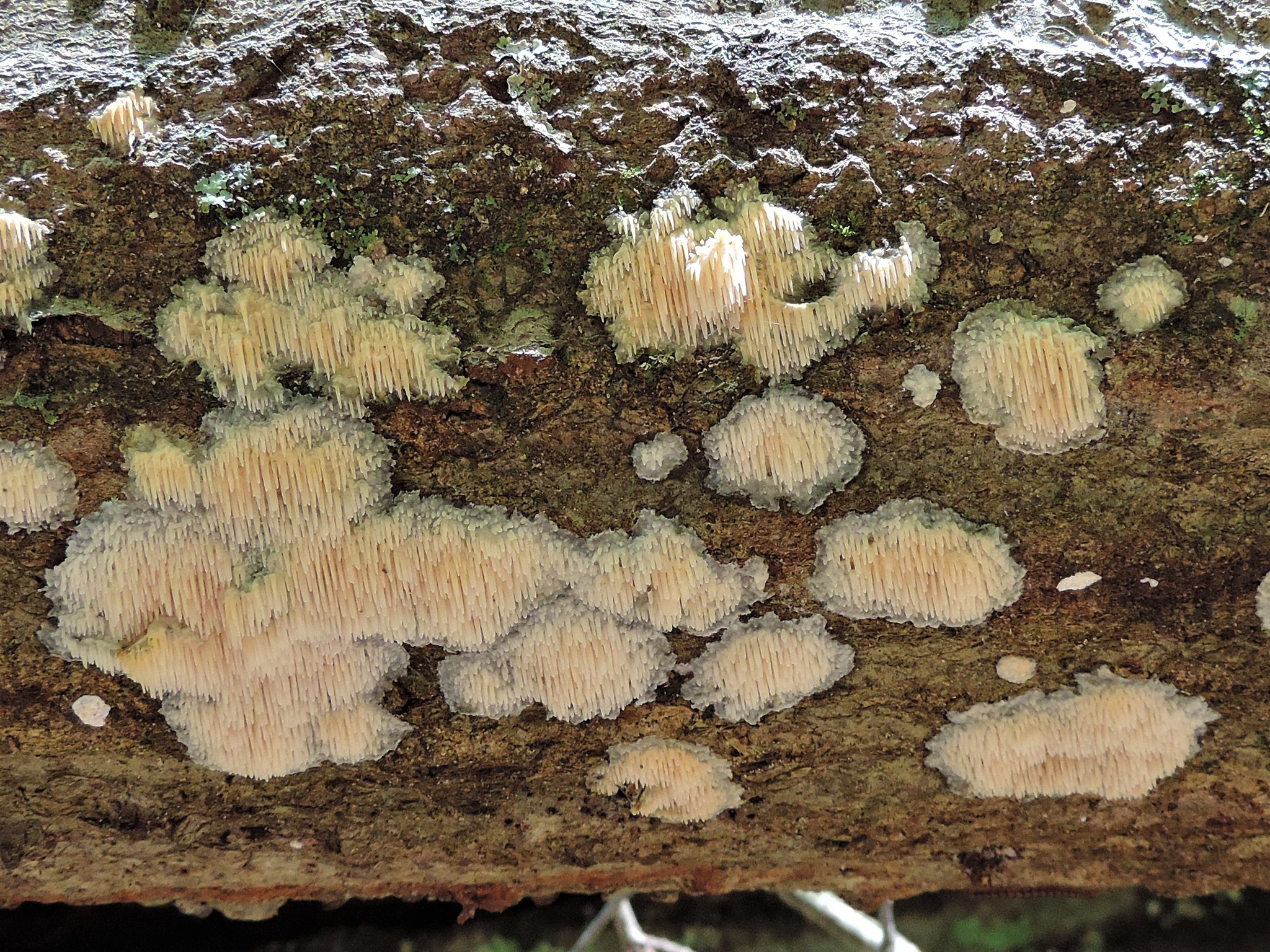
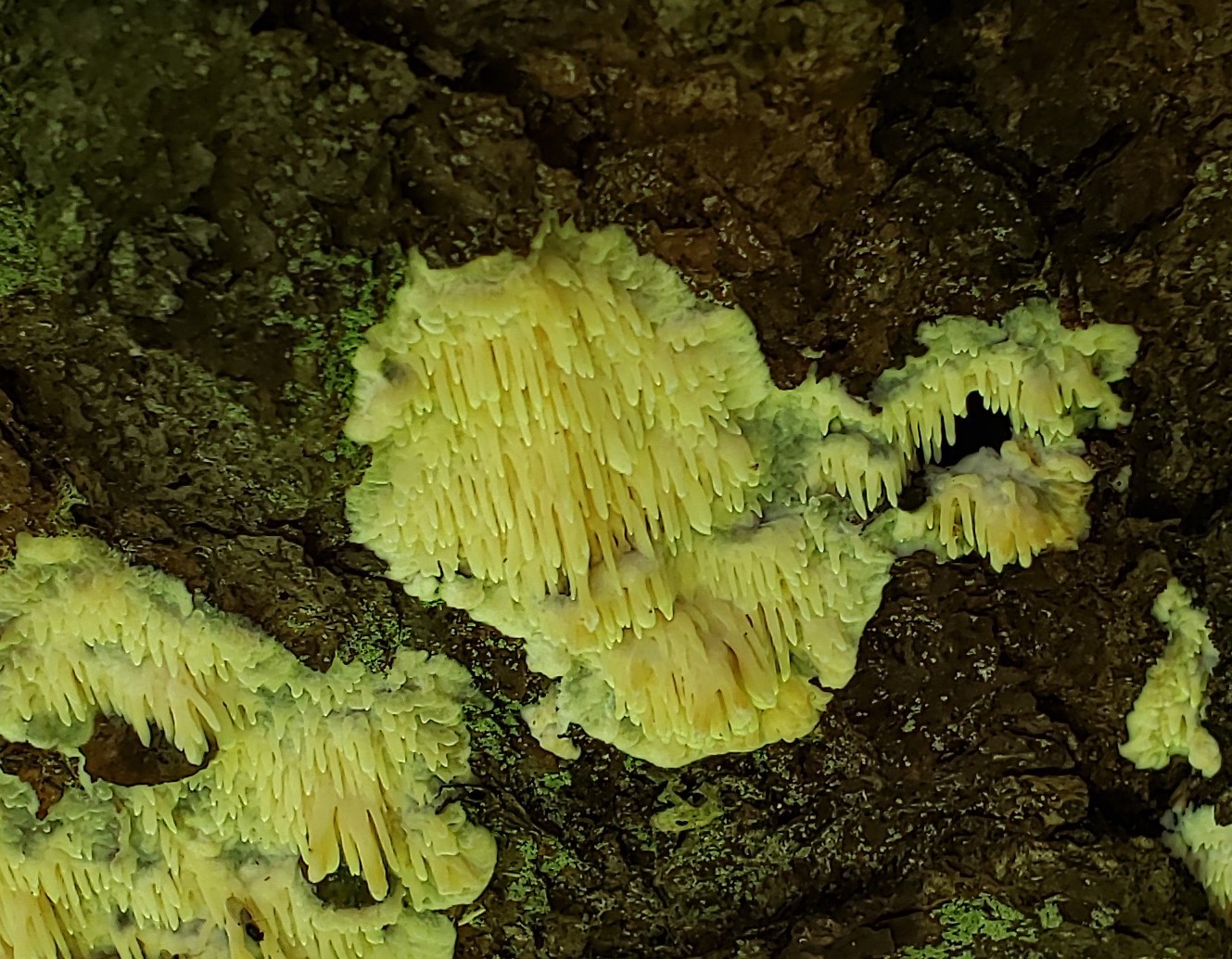
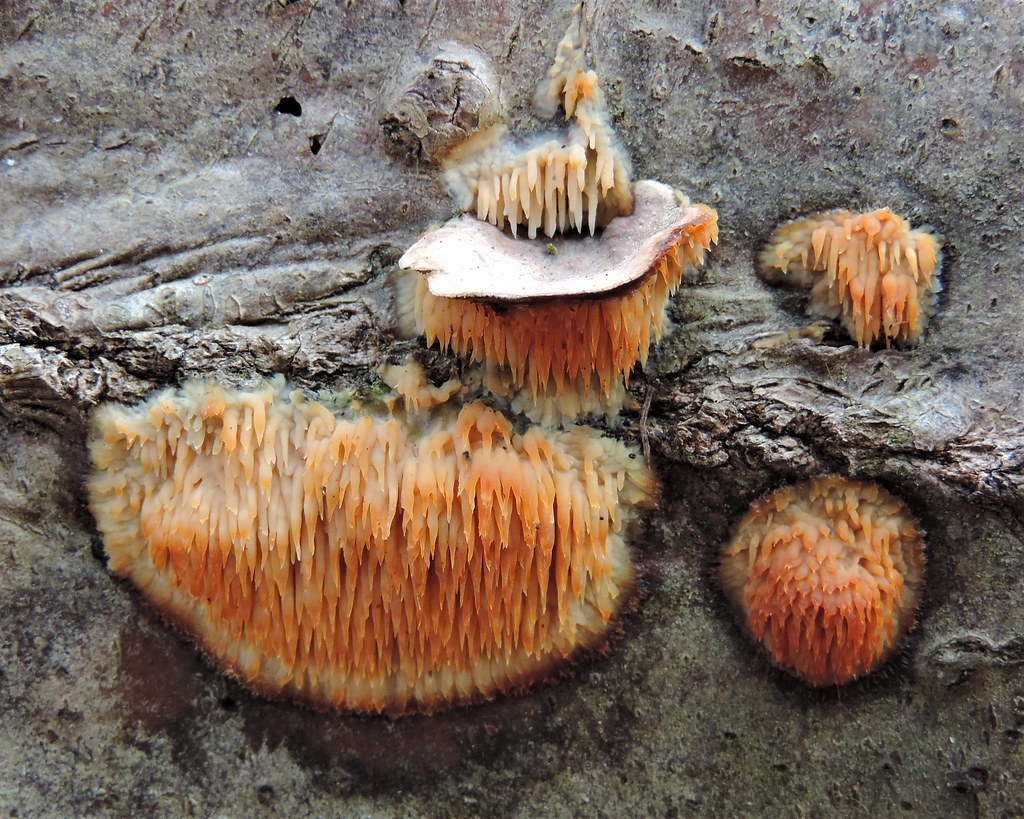
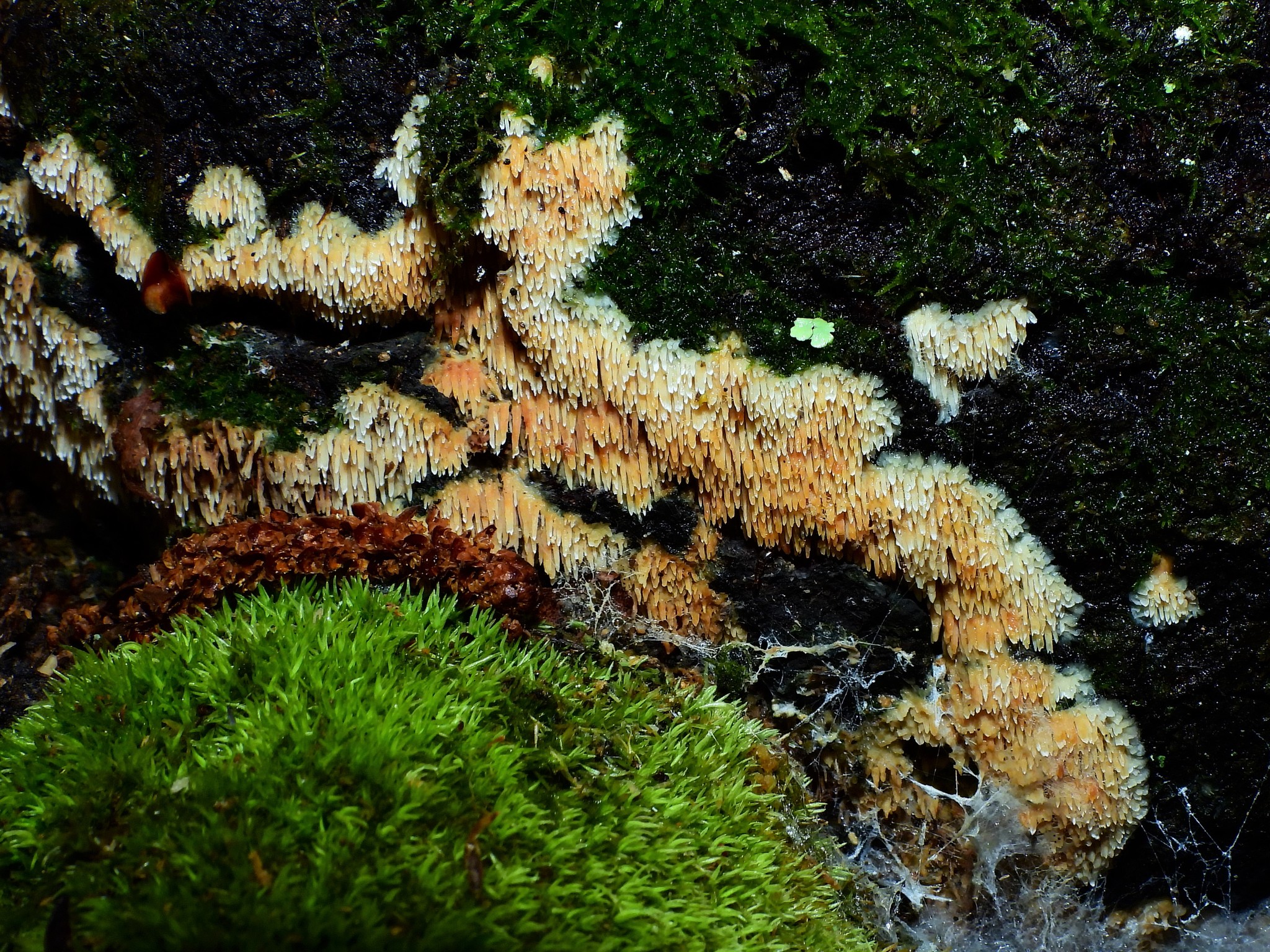
Fertile surface: Long white / ochraceous spines with acute or rounded tip (J. Solem, pers. comm.).
Eating mushrooms can be dangerous. One should do so only with expert advice and great care. MBP accepts no liability for injury sustained in consuming fungi or other biodiversity.Use of media featured on Maryland
Biodiversity Project is only permitted with express permission of the
photographer.
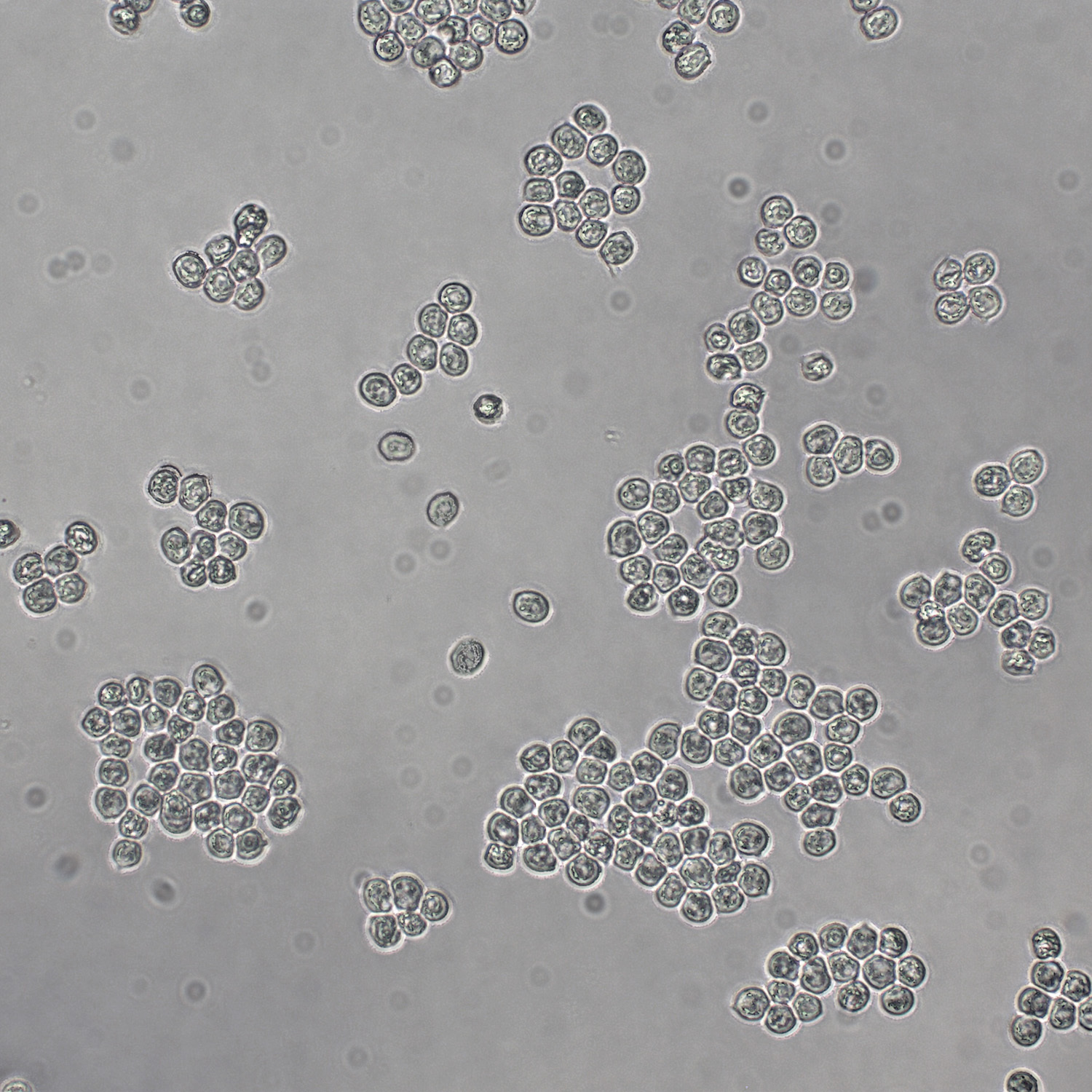
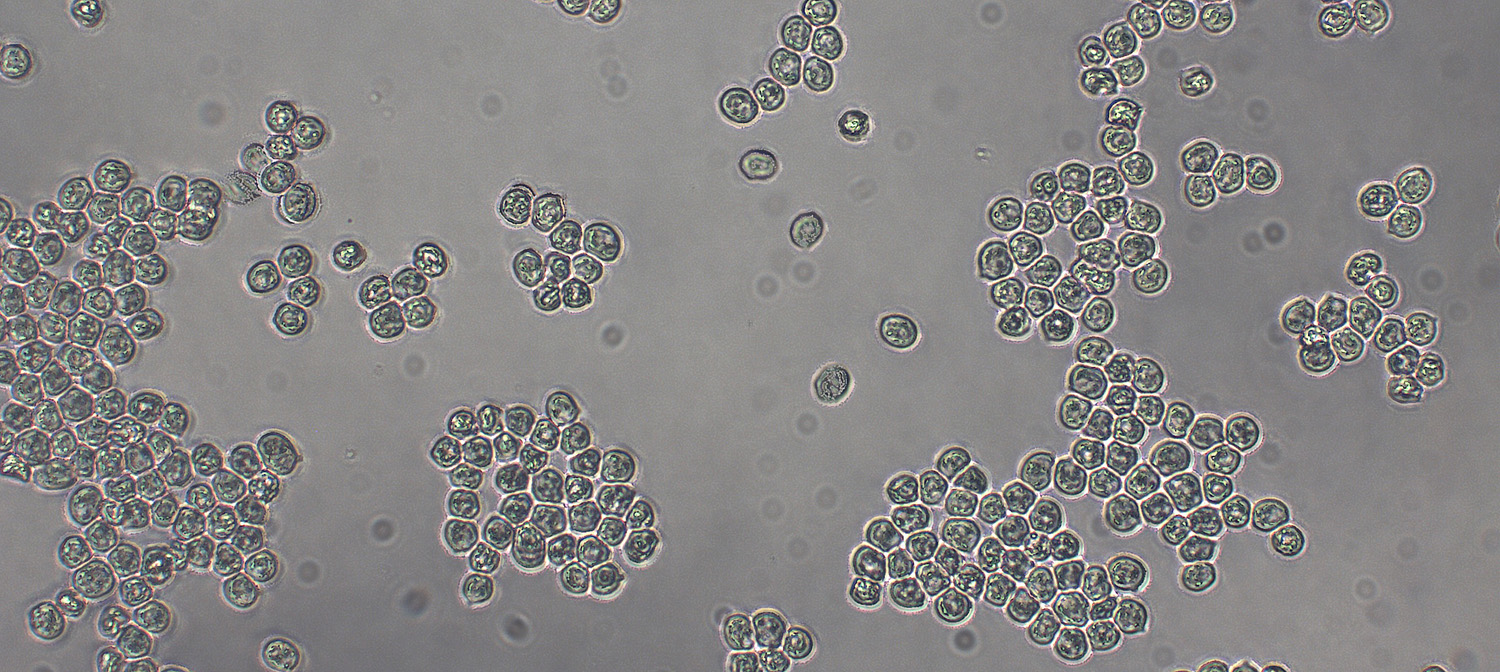
Spores collected from an Asian Beauty specimen in Howard Co., Maryland (11/24/2014). Nearly round, smooth; measured 6.2-7.7 X 5.6-6.2 microns.
View Record Details
Media by
Robert Solem.
Radulodon copelandii or Radulomyces copelandii, the Asian beauty, is a fungus typically found on dead wood. It is native to Asia and since 2009 has also been found in North America.
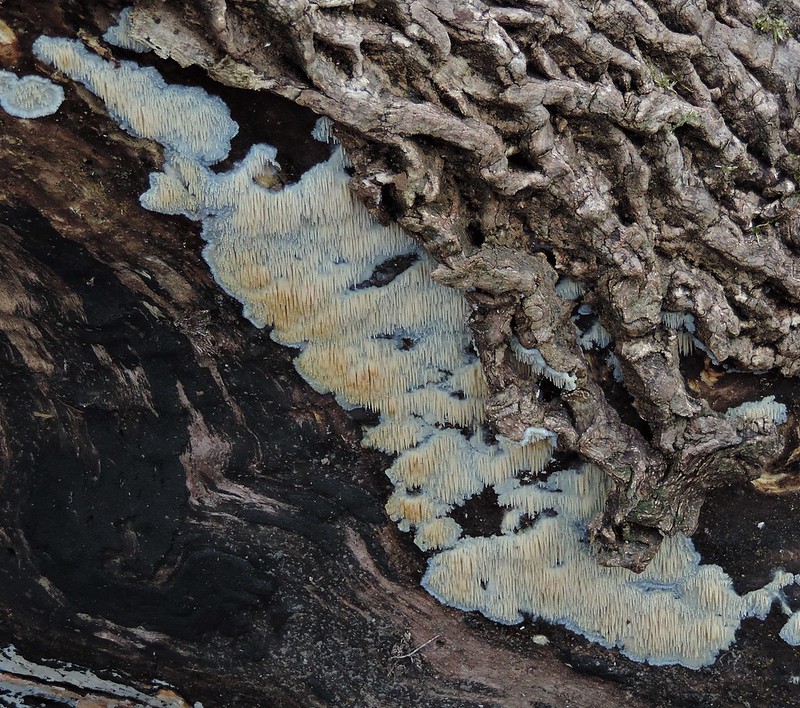
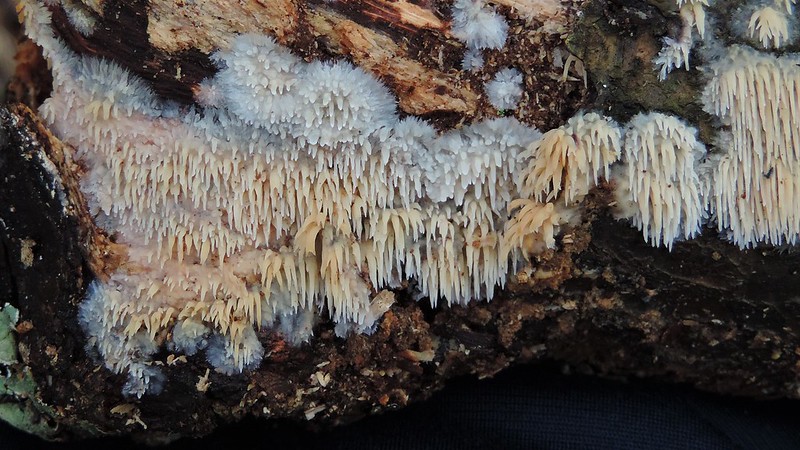
It is a toothed crust fungus identified by whitish or pale yellowish flattened teeth[1] aging to brownish colors.[2] It appears in patches 30 centimetres (12 in) or more across, with the teeth up to 1 cm long.[3] The basidia are at the tip of each tooth.[4]
The species is typically found on logs and decaying wood. It is native to Asia, where it is known from the Russian Far East, China, Japan, Korea, the Philippines, Malaysia, and Sri Lanka.[5] It now also occurs in North America, where it was first found by J. Ginns and Lawrence Millman in Massachusetts in 2009.[5][2]






_N._Maek_708122.jpg)

