Map Snapshot


57 Records
Status
Description
Citations
No citations linked for this taxon yet.
Source: Wikipedia
| Hygrocybe flavescens | |
|---|---|
_Singer_619869.jpg)
| |
Scientific classification 
| |
| Kingdom: | Fungi |
| Division: | Basidiomycota |
| Class: | Agaricomycetes |
| Order: | Agaricales |
| Family: | Hygrophoraceae |
| Genus: | Hygrocybe |
| Species: | H. flavescens
|
| Binomial name | |
| Hygrocybe flavescens (Kauff.) Singer
| |
| Synonyms | |
|
Hygrocybe chlorophana var. aurantiaca Bon | |
| Hygrocybe flavescens | |
|---|---|
| Mycological characteristics | |
 | Gills on hymenium |
 | Cap is conical |
 | Hymenium is adnexed |
 | Stipe is bare |
 | Spore print is white |
 | Ecology is mycorrhizal |
 | Edibility is edible |
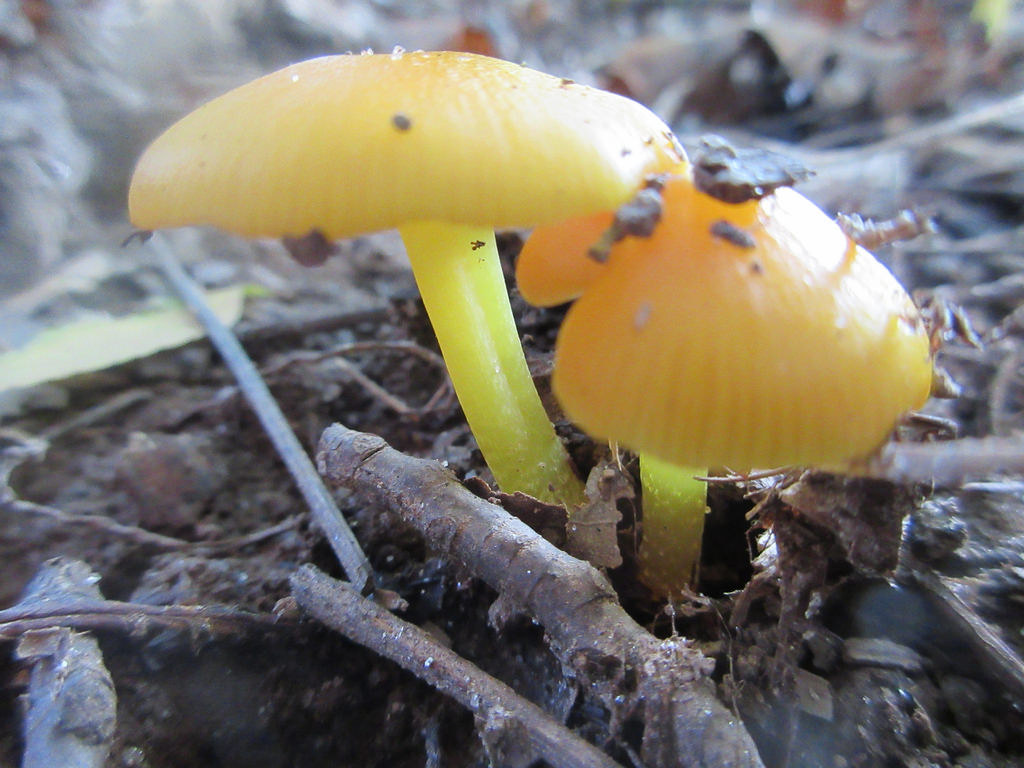
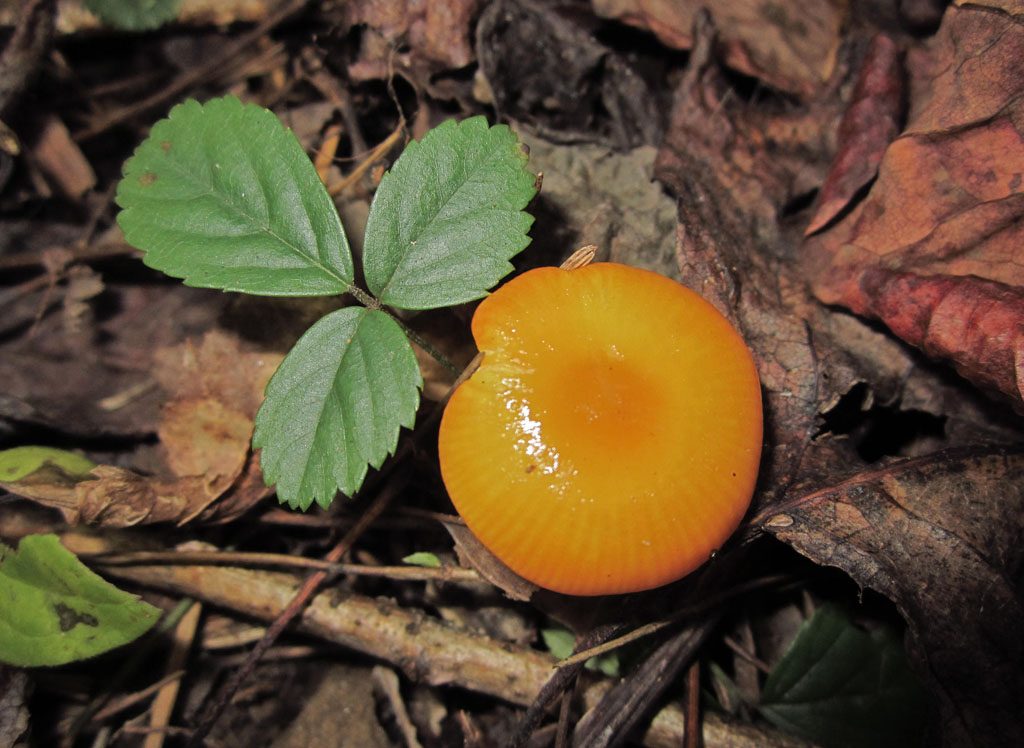
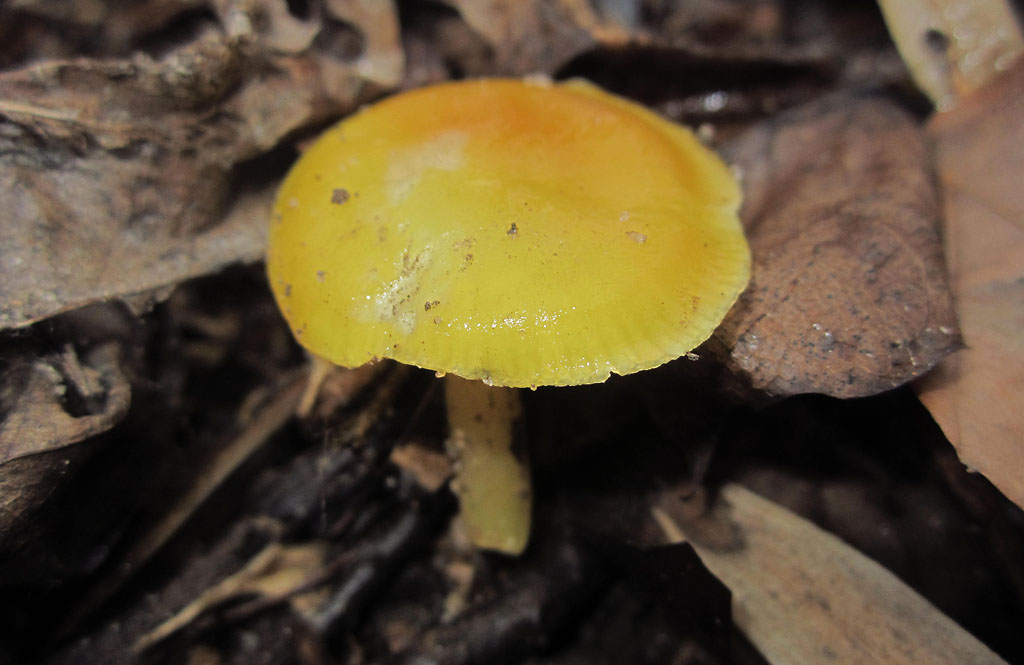
Hygrocybe flavescens, commonly known as the golden waxy cap, is a species of Hygrocybe described from Michigan.
Description
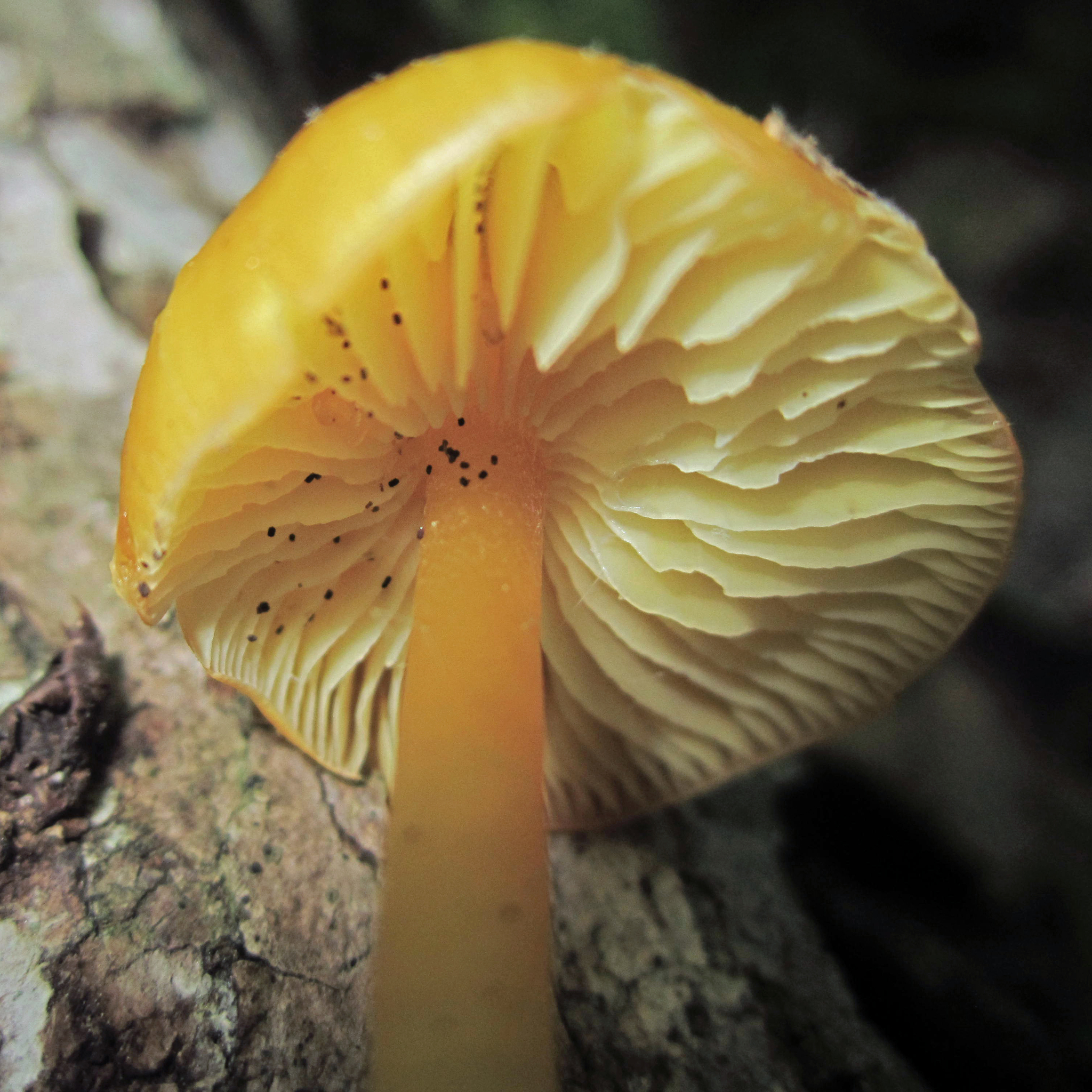
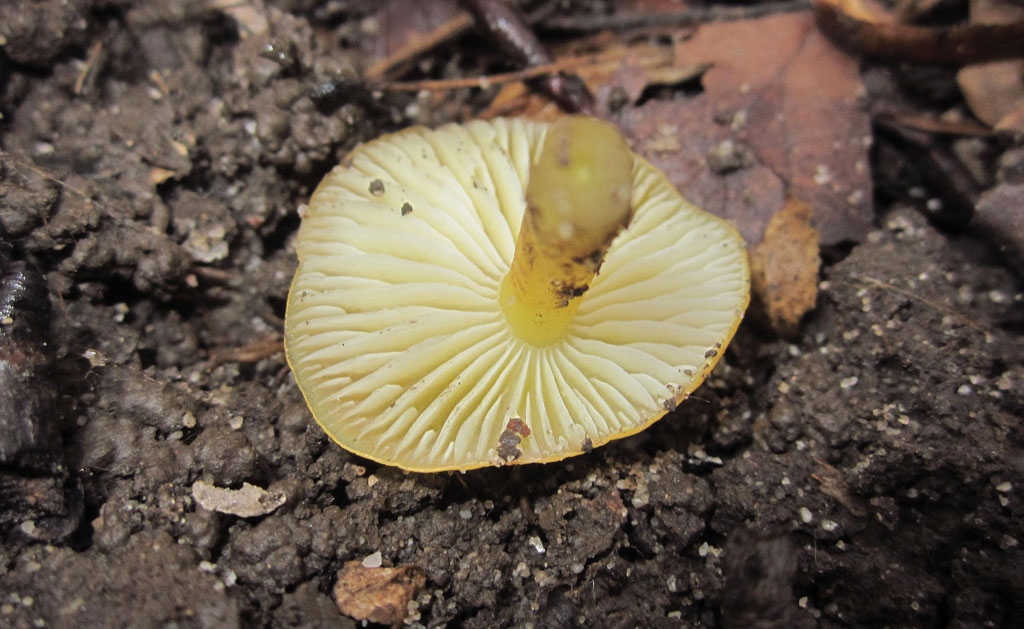
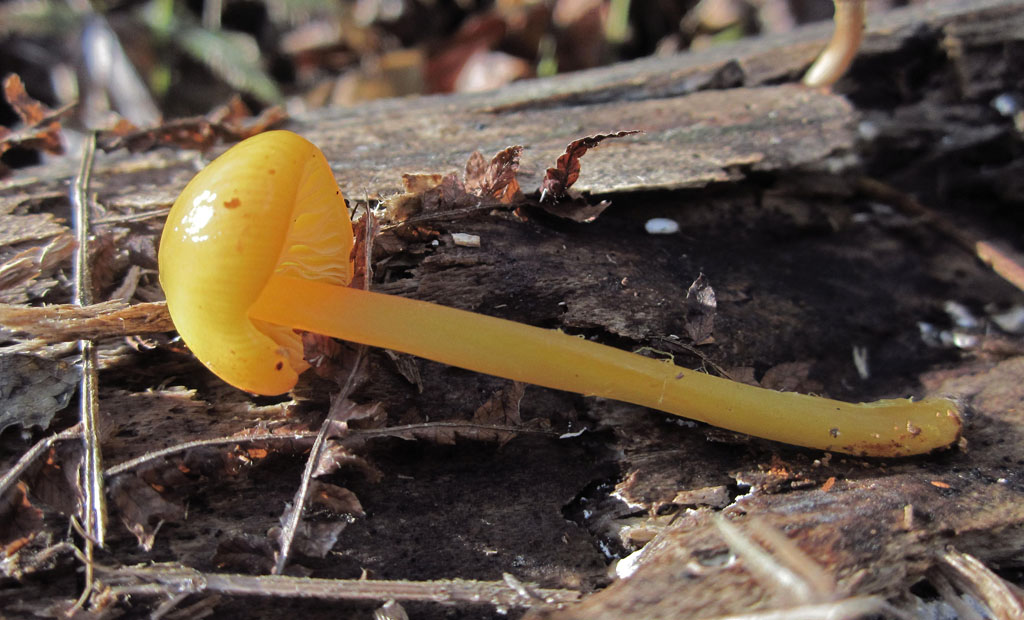
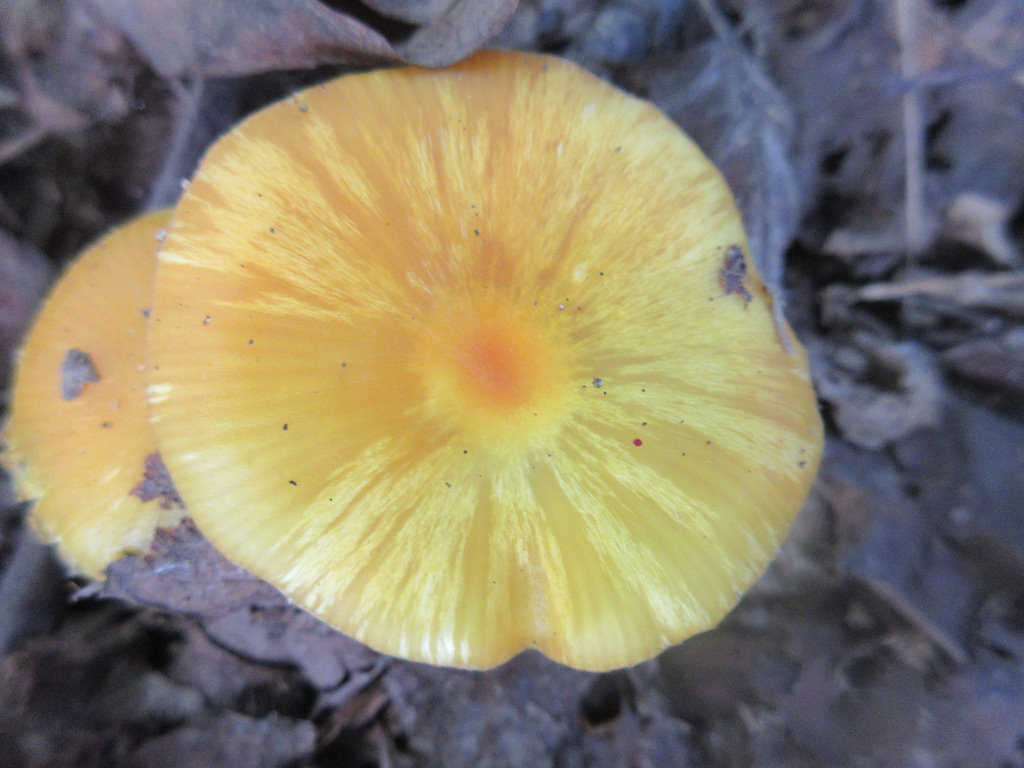
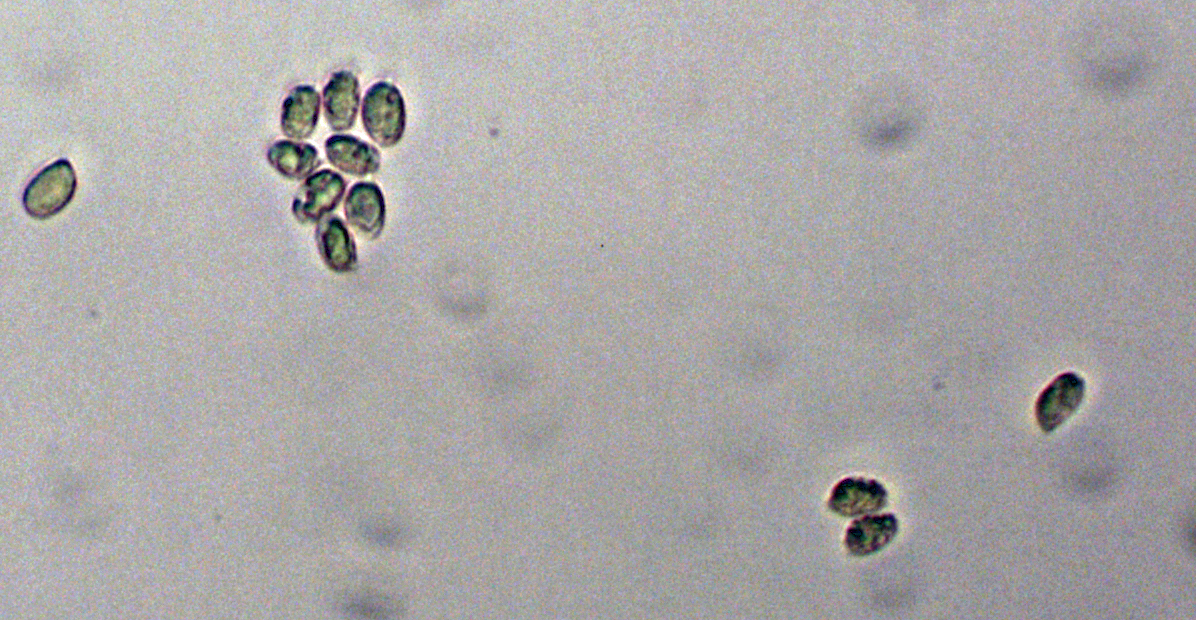
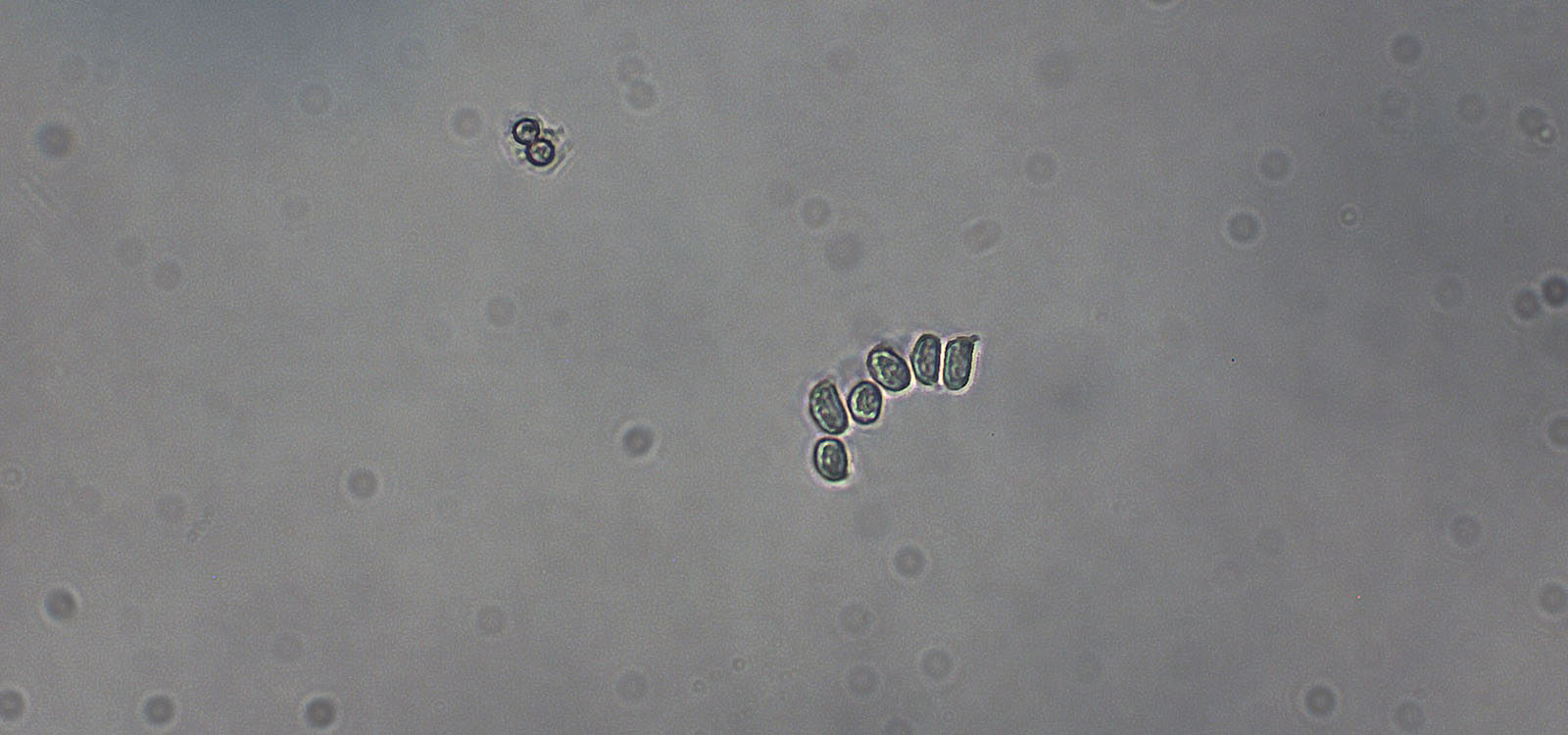
[edit]The mushroom is yellow-orange.[1] Its cap is 2.5 to 7 centimetres (1 to 2+3⁄4 in) wide and can be more orange in youth.[1] The stalk is 4 to 9 cm (1+1⁄2 to 3+1⁄2 in) long and 0.5 to 1.5 cm wide.[2][3] The gills are more pale than the cap and stipe.[1] The flesh is yellowish[4] and has a mild taste and odor.[2] The spores are white, elliptical, smooth and inamyloid.[2] The spore print is white.[4]
Similar species
[edit]Hygrocybe chlorophana is similar, noted in North America as having a more viscid stipe. This distinction is not made in Europe, indicating that they may be the same species.[1]
Outside of several similar Hygrocybe species,[3] members of the uncommon Gloioxanthomyces can be recognized by their decurrent gills.[4]
Distribution and habitat
[edit]The species has been described from Michigan.[5] It can be found in various forests and woodlands.[1]
Uses
[edit]The species is considered nonpoisonous to humans.[6] It can serve as food, but is of low interest.[3]
References
[edit]- ^ a b c d e Trudell, Steve; Ammirati, Joe (2009). Mushrooms of the Pacific Northwest. Timber Press Field Guides. Portland, OR: Timber Press. p. 64. ISBN 978-0-88192-935-5.
- ^ a b c Davis, R. Michael; Sommer, Robert; Menge, John A. (2012). Field Guide to Mushrooms of Western North America. Berkeley: University of California Press. pp. 122–123. ISBN 978-0-520-95360-4. OCLC 797915861.
- ^ a b c Arora, David (1986) [1979]. Mushrooms Demystified: A Comprehensive Guide to the Fleshy Fungi (2nd ed.). Berkeley, CA: Ten Speed Press. p. 115. ISBN 978-0-89815-170-1.
- ^ a b c Audubon (2023). Mushrooms of North America. Knopf. p. 400. ISBN 978-0-593-31998-7.
- ^ "Hygrocybe flavescens in MycoWeb".
- ^ Miller Jr., Orson K.; Miller, Hope H. (2006). North American Mushrooms: A Field Guide to Edible and Inedible Fungi. Guilford, CN: FalconGuide. p. 65. ISBN 978-0-7627-3109-1.
External links
[edit] Media related to Hygrocybe flavescens at Wikimedia Commons
 Data related to Hygrocybe flavescens at Wikispecies

