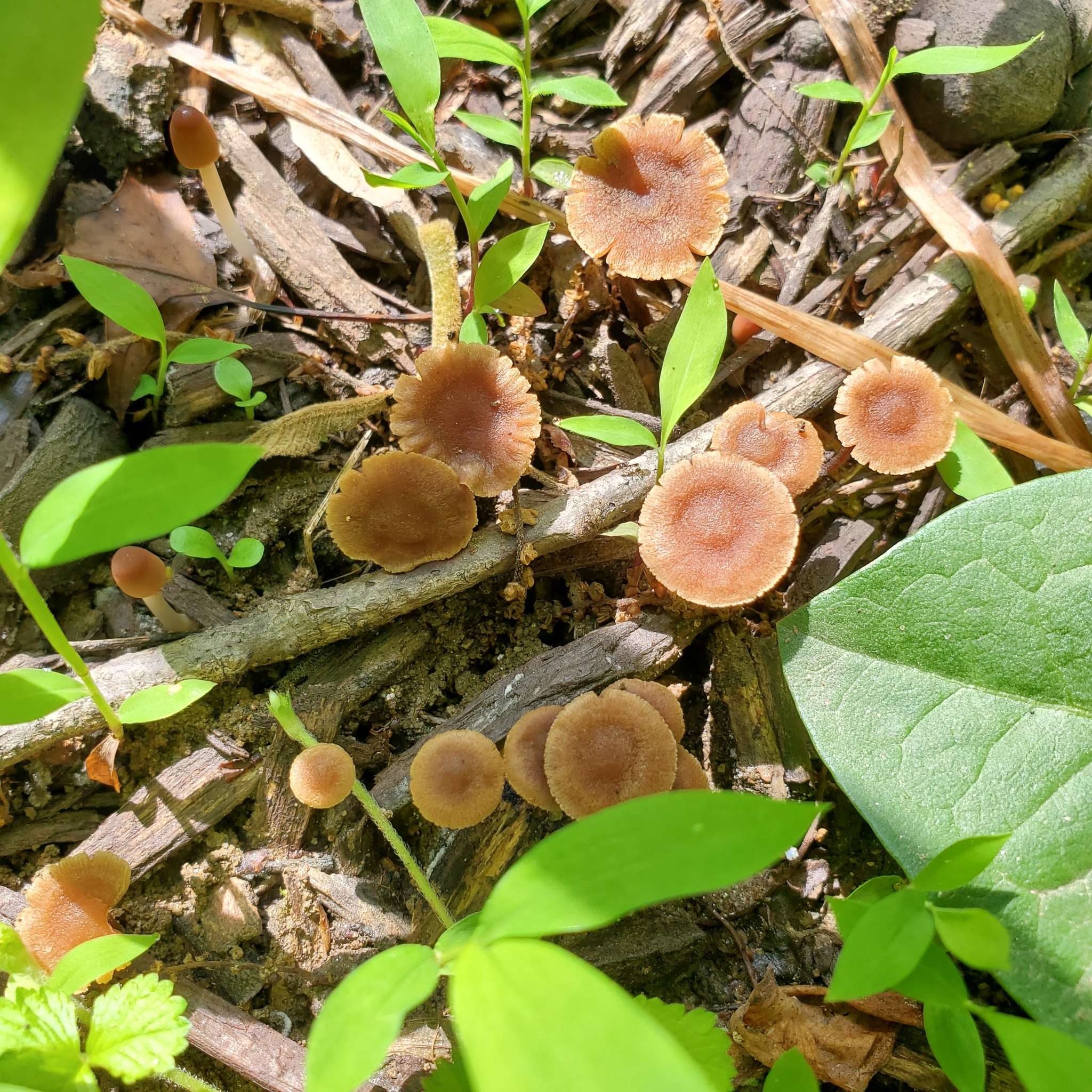
Fringed Tubaria in Baltimore Co., Maryland (5/29/2020). (c) ebrown5813, some rights reserved (CC BY-NC).
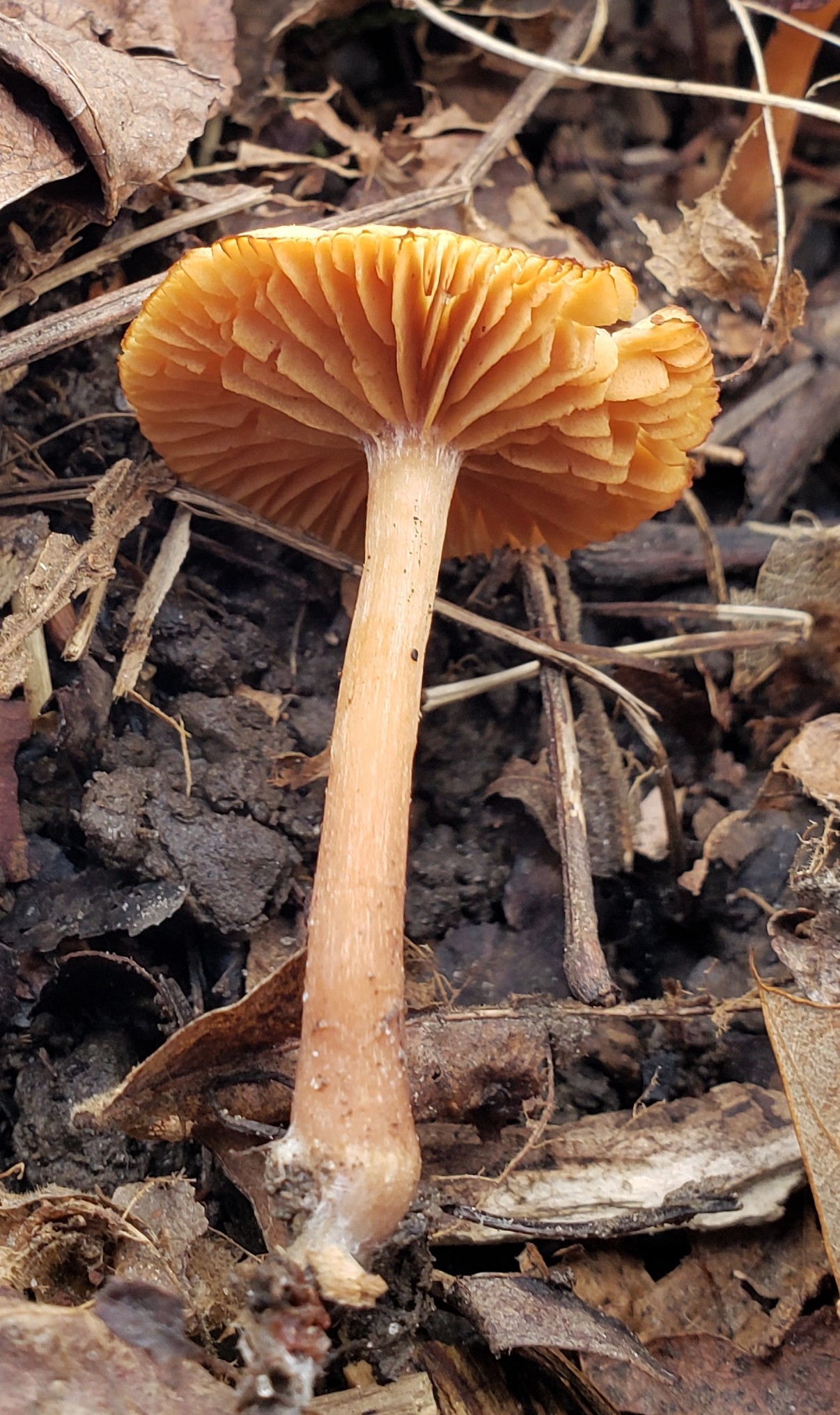
Fringed Tubaria in Anne Arundel Co., Maryland (2/28/2020). (c) Matthew Beziat, some rights reserved (CC BY-NC).
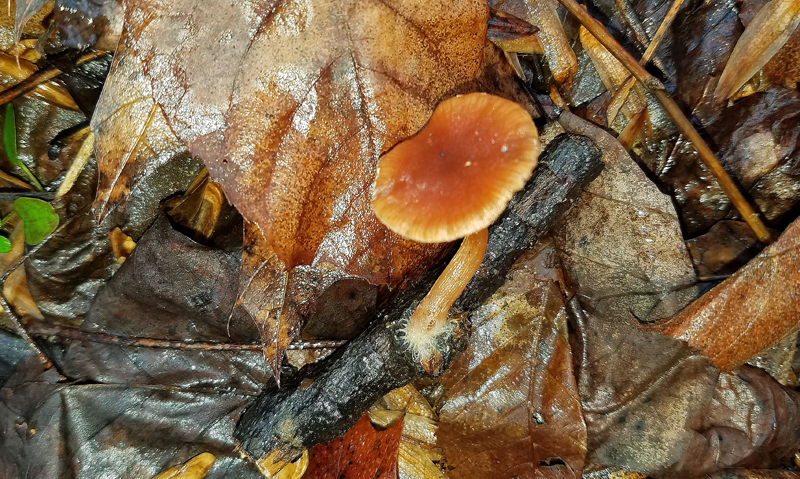
Fringed Tubaria (overall) in Howard Co., Maryland (12/30/2019).
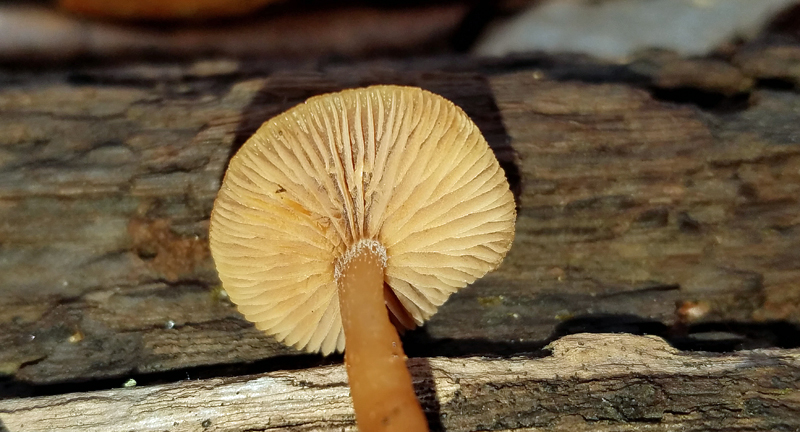
Fringed Tubaria (gills and upper stalk) in Howard Co., Maryland (1/11/2020).
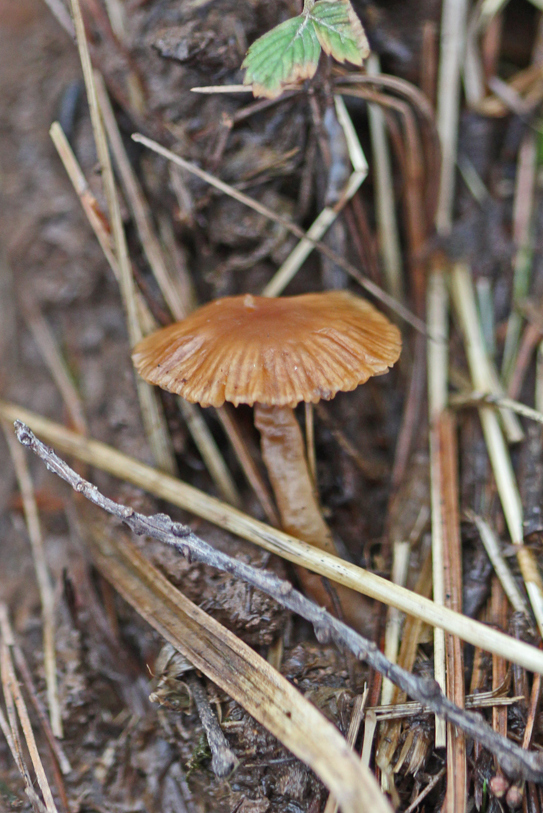
Fringed Tubaria in Garrett Co., Maryland (3/28/2020). (c) Ashley Rodeheaver, all rights reserved.
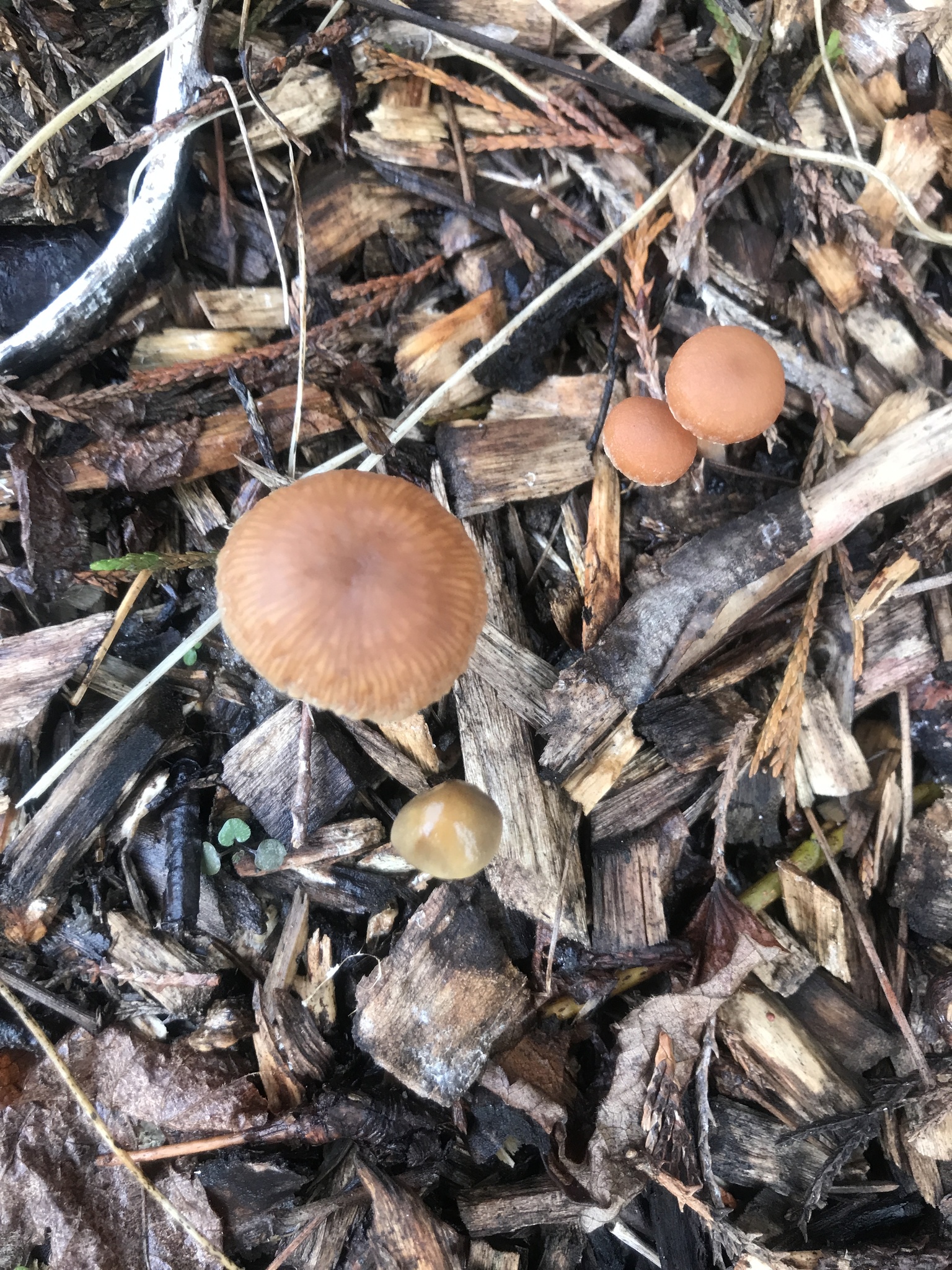
Fringed Tubaria in Montgomery Co., Maryland (11/1/2020). (c) wearethechampignons, some rights reserved (CC BY).
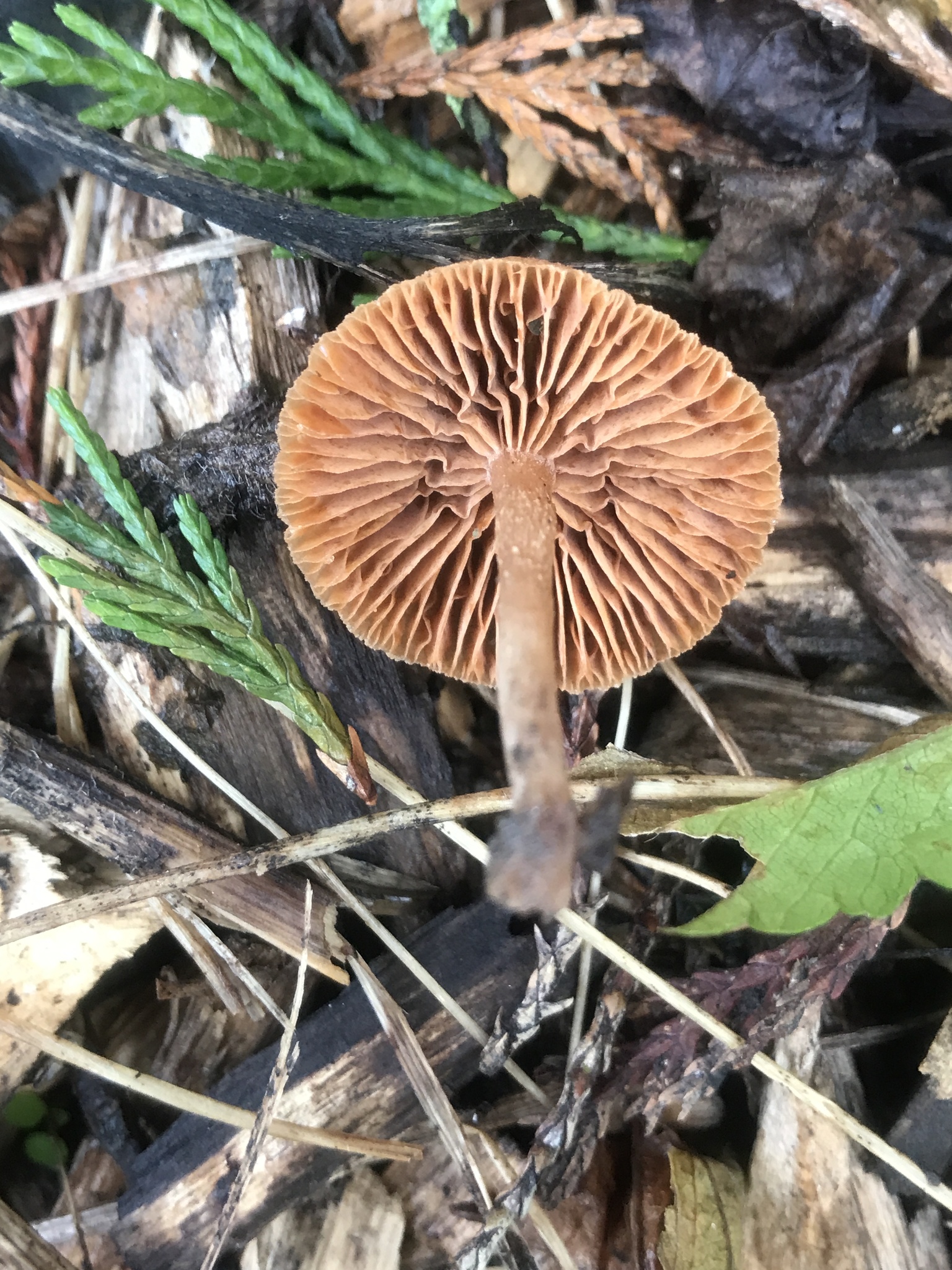
Fringed Tubaria in Montgomery Co., Maryland (11/1/2020). (c) wearethechampignons, some rights reserved (CC BY).
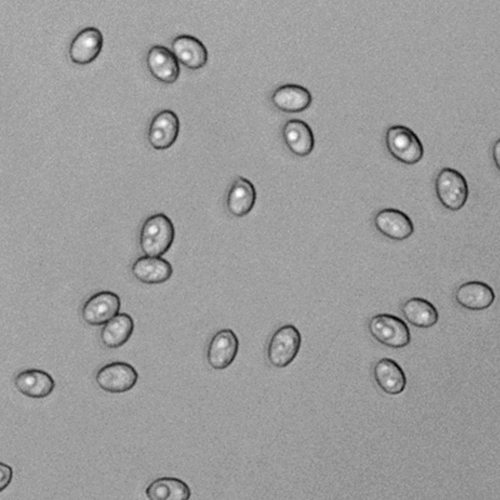
Spores of Fringed Tubaria in Howard Co., Maryland (12/30/2019). (c) Joanne and Robert Solem, some rights reserved (CC BY-NC).
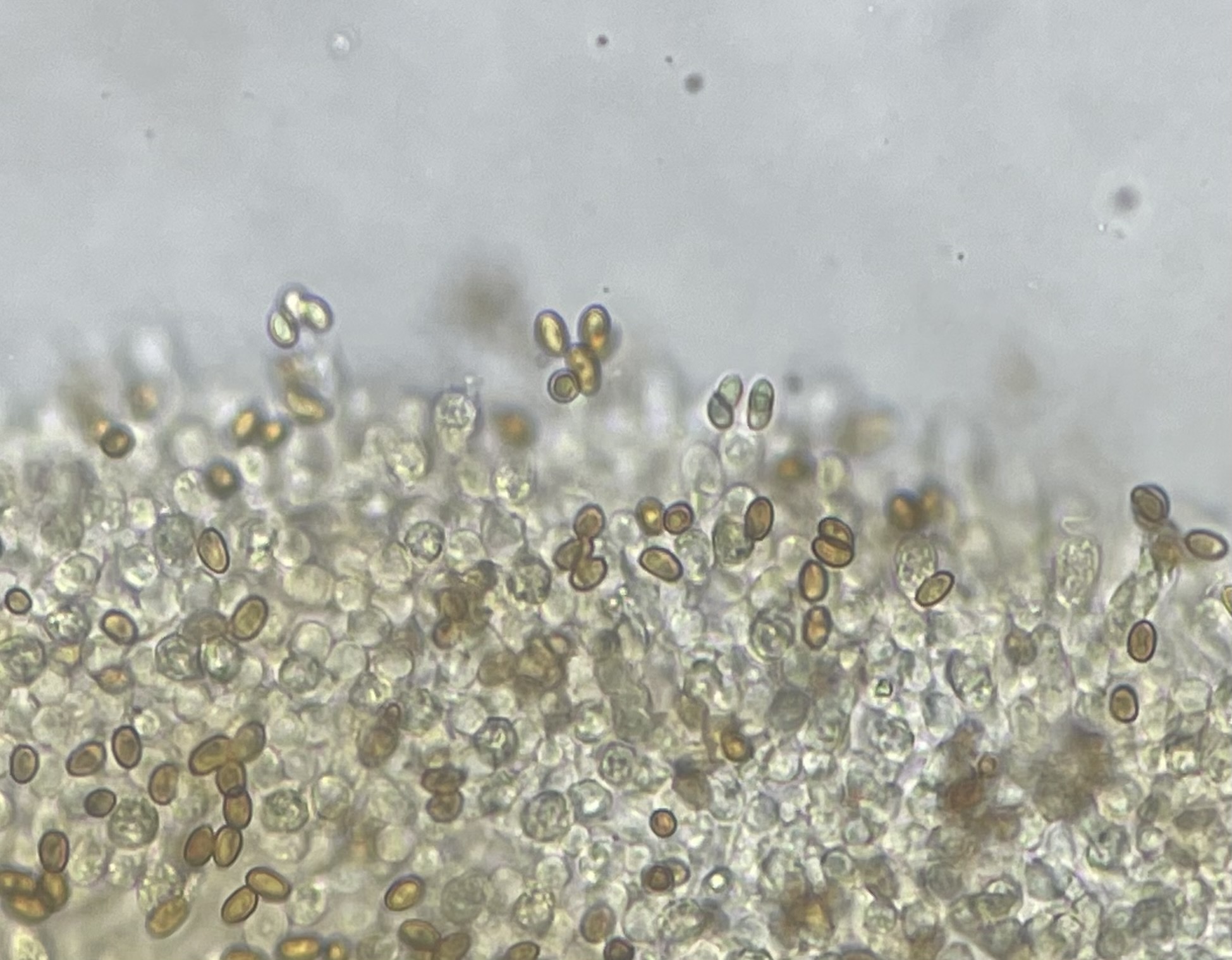
Fringed Tubaria in Montgomery Co., Maryland (11/9/2021). (c) wearethechampignons, some rights reserved (CC BY).
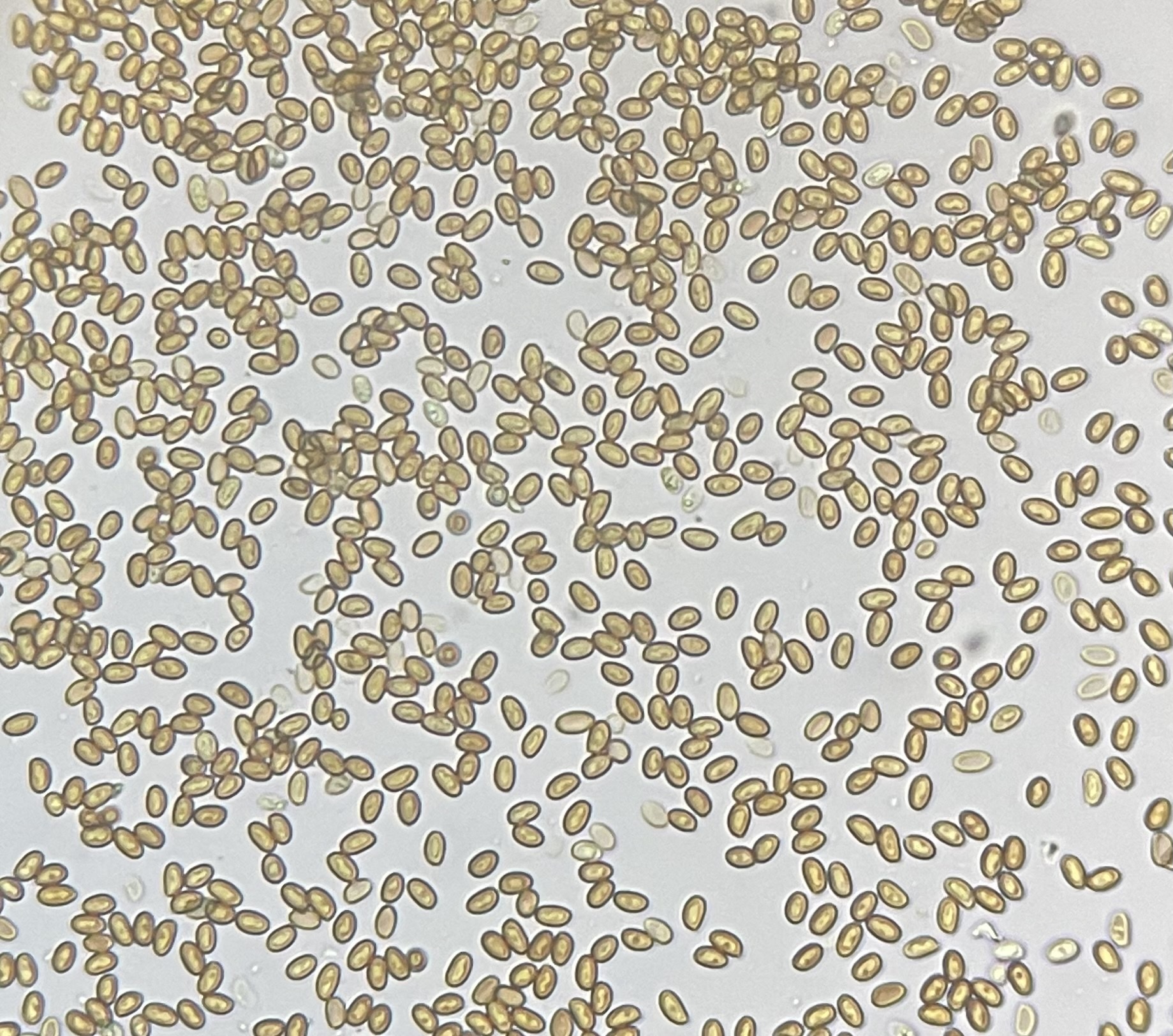
Fringed Tubaria in Montgomery Co., Maryland (11/9/2021). (c) wearethechampignons, some rights reserved (CC BY).
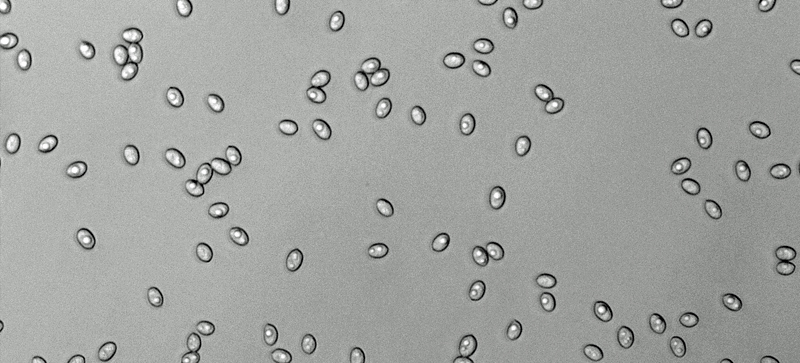
Spores collected from a Fringed Tubaria specimen in Howard Co., Maryland (12/30/2019). Ellipsoid, smooth, hyaline; measured 6.6-7.9 x 4.6-5.3 microns.
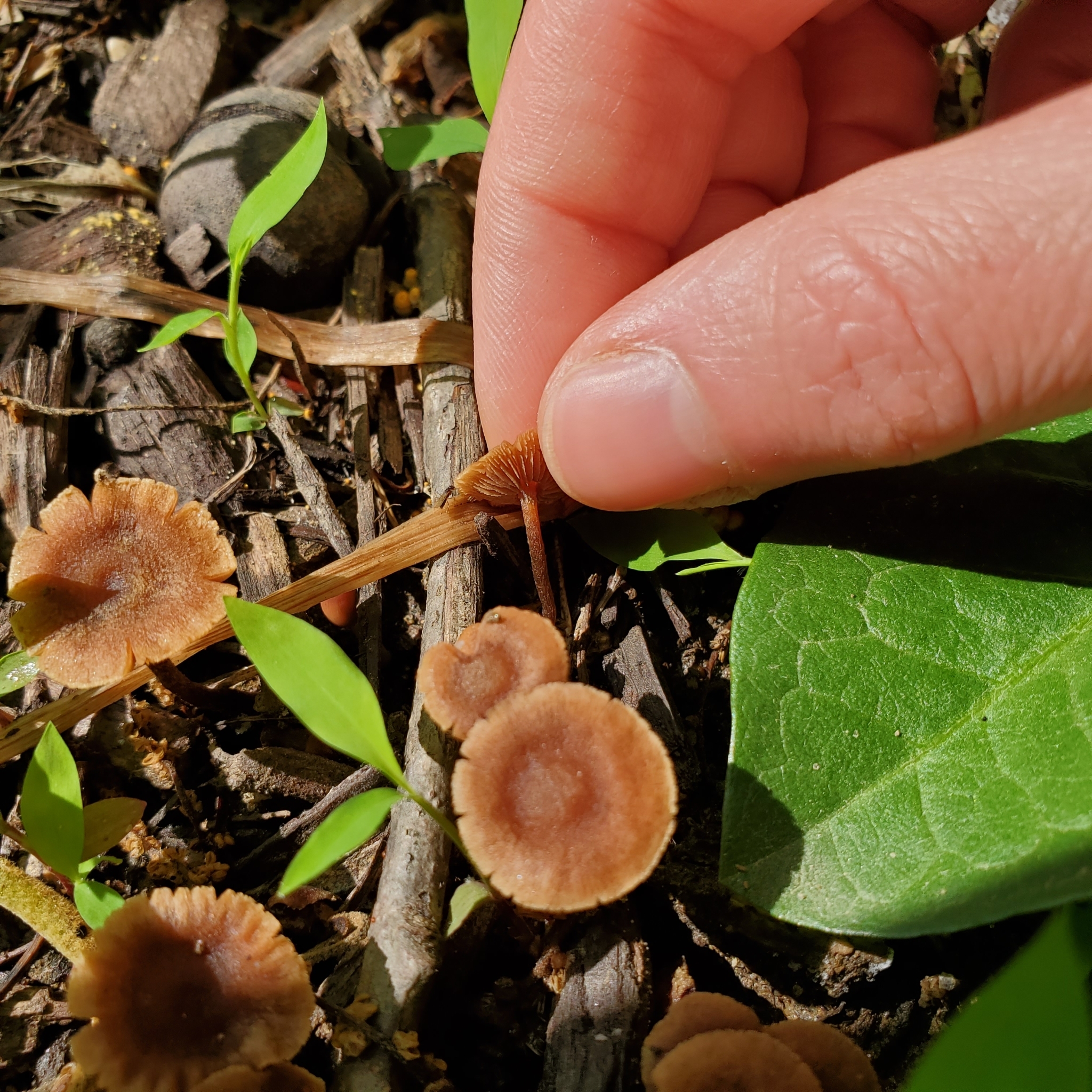
Fringed Tubaria in Baltimore Co., Maryland (5/29/2020). (c) ebrown5813, some rights reserved (CC BY-NC).
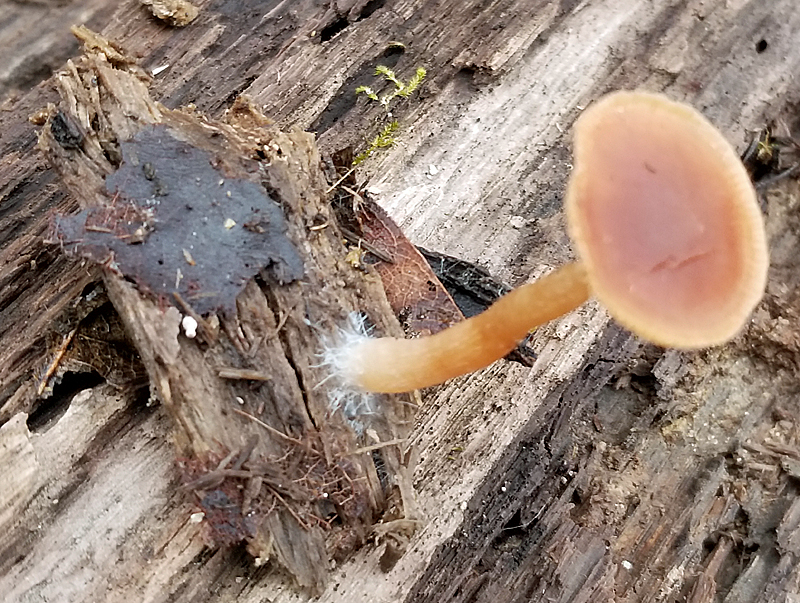
Fringed Tubaria (overall on twig) in Howard Co., Maryland (1/11/2020).
Map Snapshot


21 Records
Status
Found scattered, in groups, or occasionally in clusters on sticks, woody debris, or buried wood.
Description
Cap: Convex to flat, surface moist, smooth with tiny white fibers, hygrophanous; reddish-brown to pinkish-tan; white marginal veil remnants may be present; flesh thin, yellow-brown. Gills: Close, pale yellow, veined on faces. Stalk: Equal to slightly enlarged below, pale brown often covered with white fibers, hollow in age; partial veil may leave a flimsy ring or zone; copious white mycelium at base. (J. Solem, pers. comm.)
Citations
No citations linked for this taxon yet.
Eating mushrooms can be dangerous. One should do so only with expert advice and great care. MBP accepts no liability for injury sustained in consuming fungi or other biodiversity. Use of media featured on Maryland
Biodiversity Project is only permitted with express permission of the
photographer.
Fringed Tubaria in Baltimore Co., Maryland (5/29/2020). (c) ebrown5813, some rights reserved (CC BY-NC).
View Record Details
Media by
ebrown5813 via iNaturalist.
Fringed Tubaria in Anne Arundel Co., Maryland (2/28/2020). (c) Matthew Beziat, some rights reserved (CC BY-NC).
View Record Details
Media by
Matthew Beziat.
Fringed Tubaria (overall) in Howard Co., Maryland (12/30/2019).
View Record Details
Media by
Joanne Solem.
Fringed Tubaria (gills and upper stalk) in Howard Co., Maryland (1/11/2020).
View Record Details
Media by
Joanne Solem.
Fringed Tubaria in Garrett Co., Maryland (3/28/2020). (c) Ashley Rodeheaver, all rights reserved.
View Record Details
Media by
Ashley Rodeheaver.
Fringed Tubaria in Montgomery Co., Maryland (11/1/2020). (c) wearethechampignons, some rights reserved (CC BY).
View Record Details
Media by
wearethechampignons via iNaturalist.
Fringed Tubaria in Montgomery Co., Maryland (11/1/2020). (c) wearethechampignons, some rights reserved (CC BY).
View Record Details
Media by
wearethechampignons via iNaturalist.
Spores of Fringed Tubaria in Howard Co., Maryland (12/30/2019). (c) Joanne and Robert Solem, some rights reserved (CC BY-NC).
View Record Details
Media by
Joanne Solem.
Fringed Tubaria in Montgomery Co., Maryland (11/9/2021). (c) wearethechampignons, some rights reserved (CC BY).
View Record Details
Media by
wearethechampignons via iNaturalist.
Fringed Tubaria in Montgomery Co., Maryland (11/9/2021). (c) wearethechampignons, some rights reserved (CC BY).
View Record Details
Media by
wearethechampignons via iNaturalist.
Spores collected from a Fringed Tubaria specimen in Howard Co., Maryland (12/30/2019). Ellipsoid, smooth, hyaline; measured 6.6-7.9 x 4.6-5.3 microns.
View Record Details
Media by
Robert Solem.
Fringed Tubaria in Baltimore Co., Maryland (5/29/2020). (c) ebrown5813, some rights reserved (CC BY-NC).
View Record Details
Media by
ebrown5813 via iNaturalist.
Fringed Tubaria (overall on twig) in Howard Co., Maryland (1/11/2020).
View Record Details
Media by
Sue Muller.