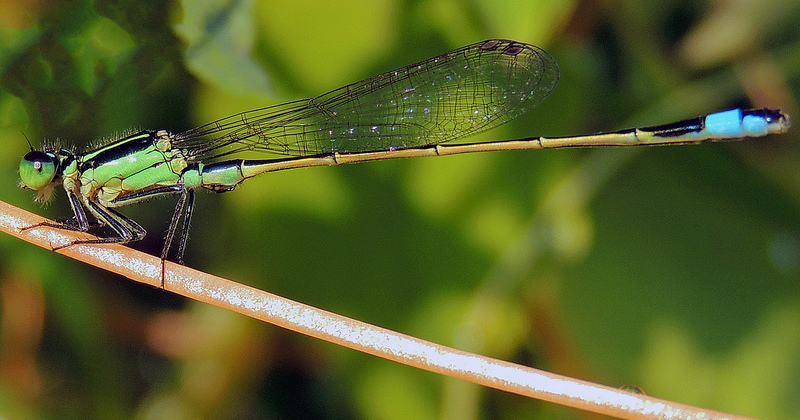
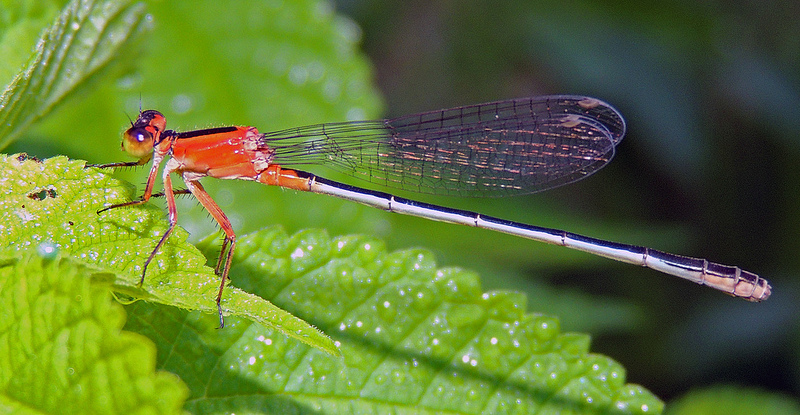
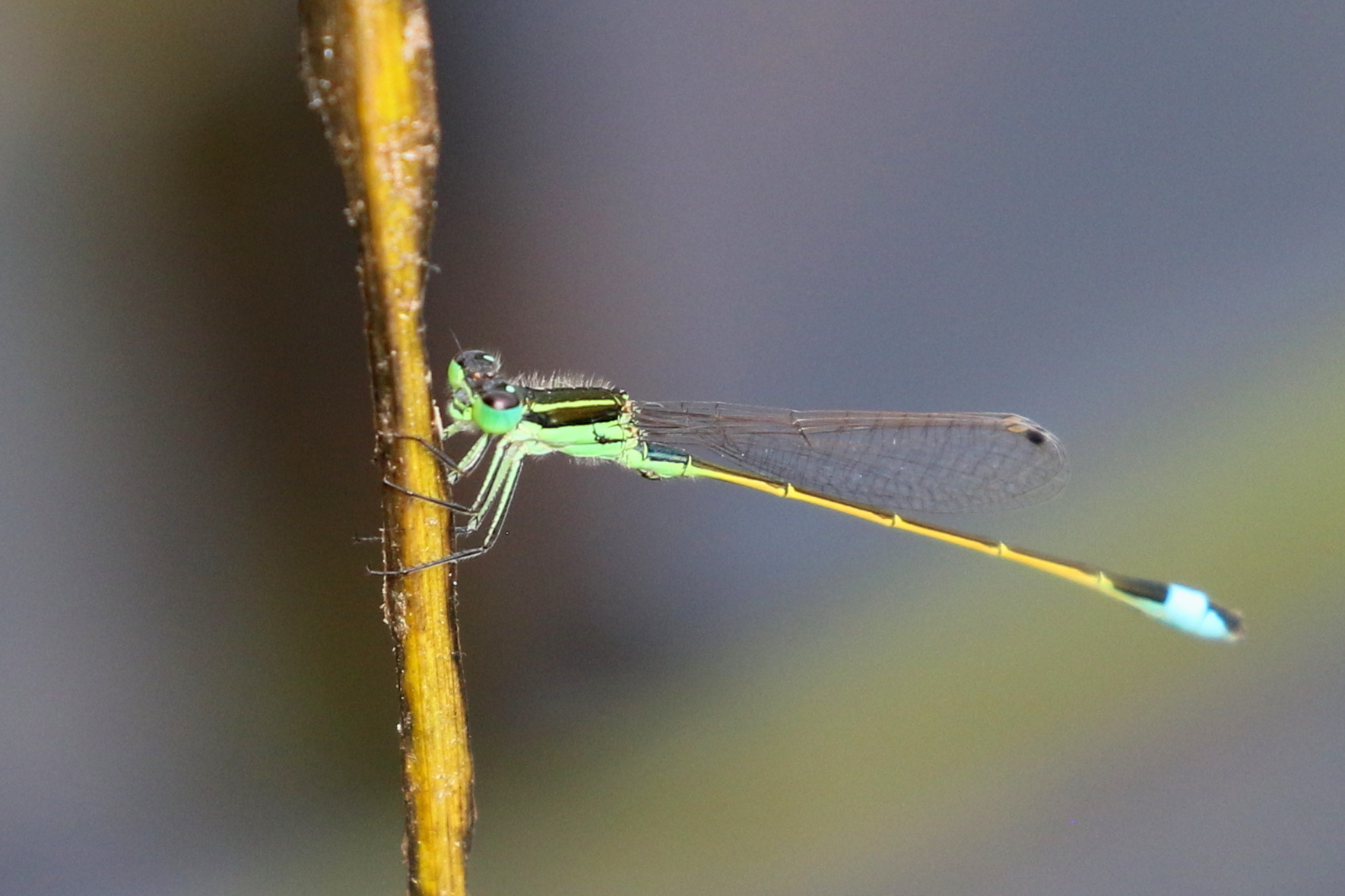
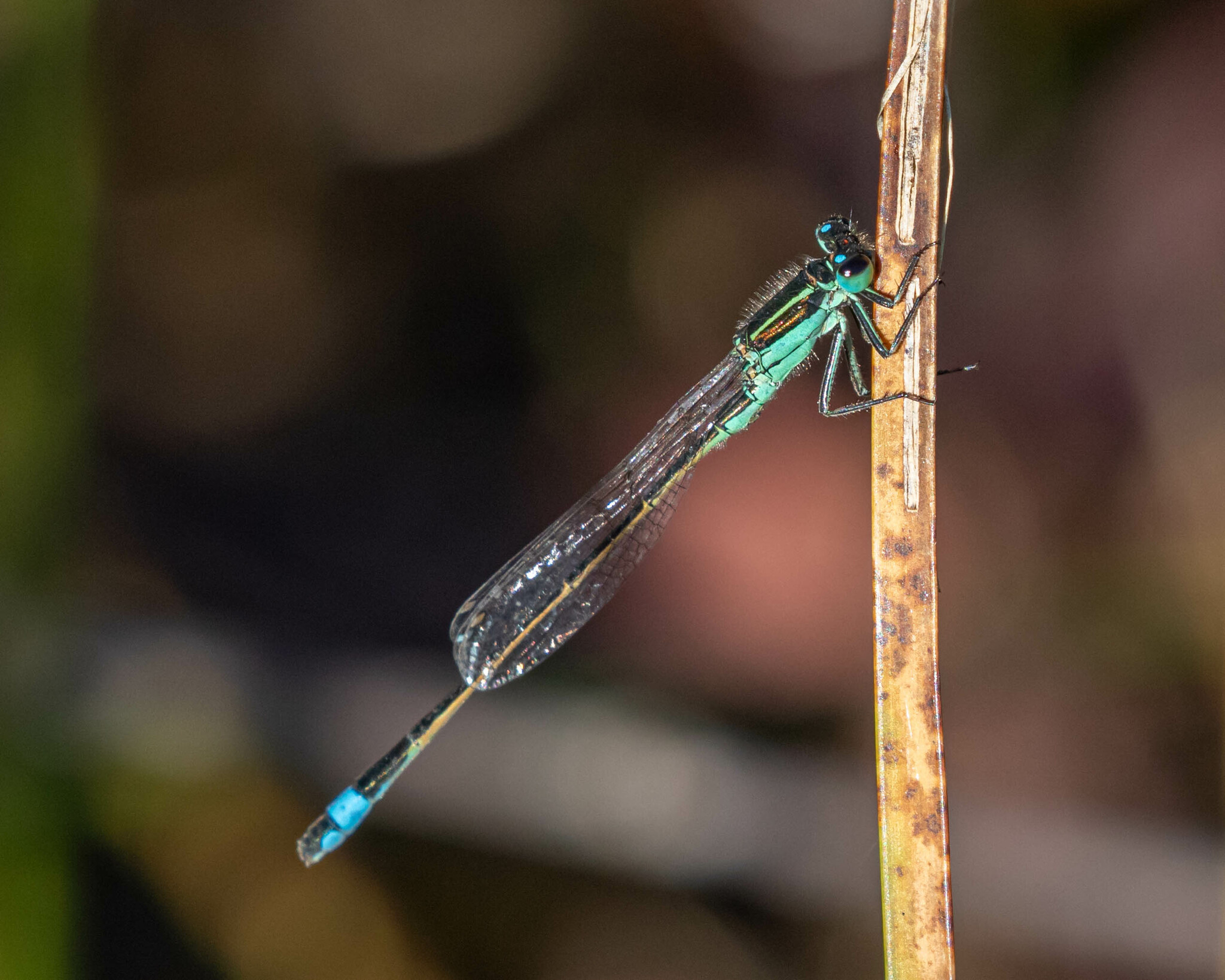
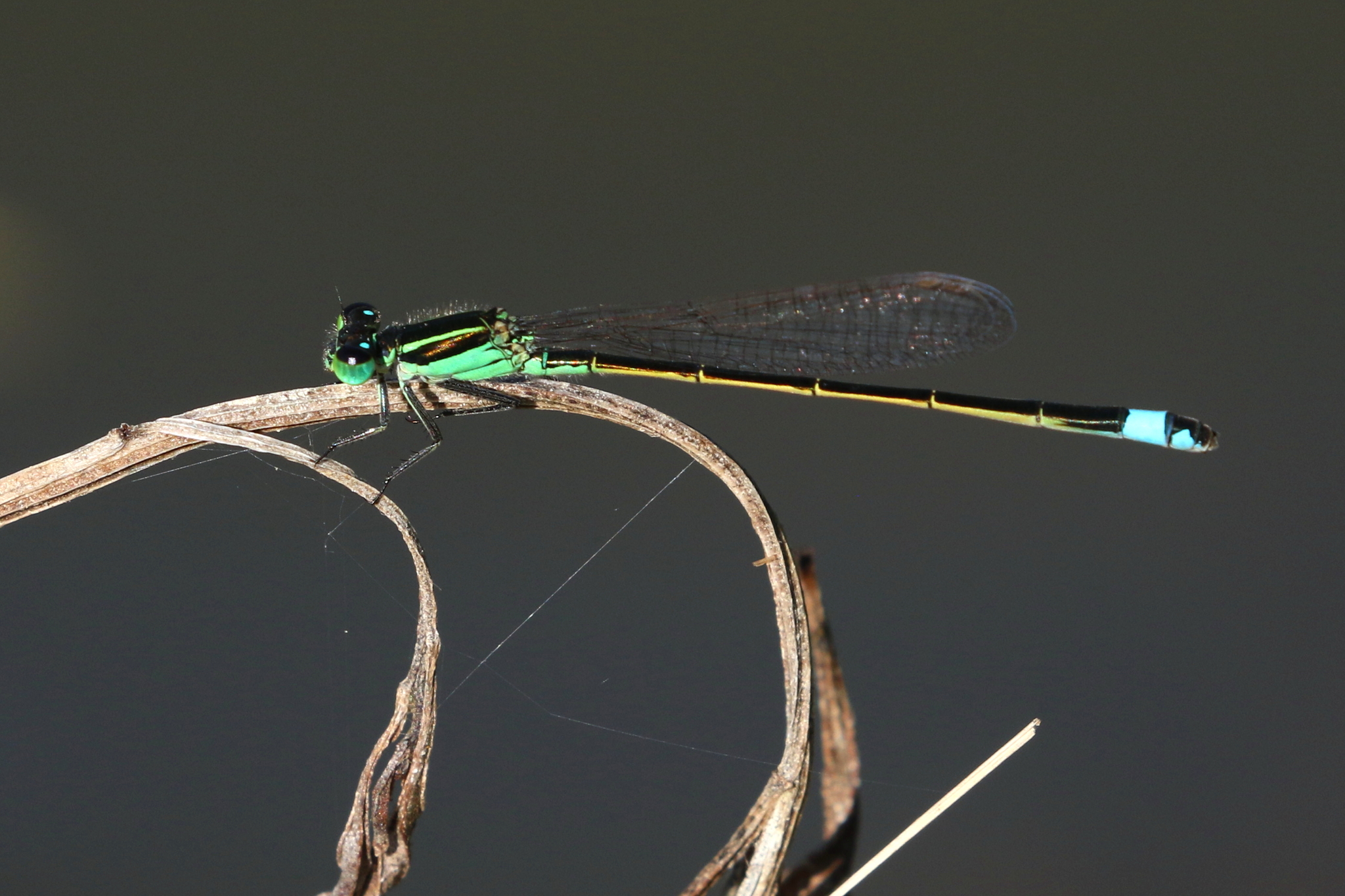
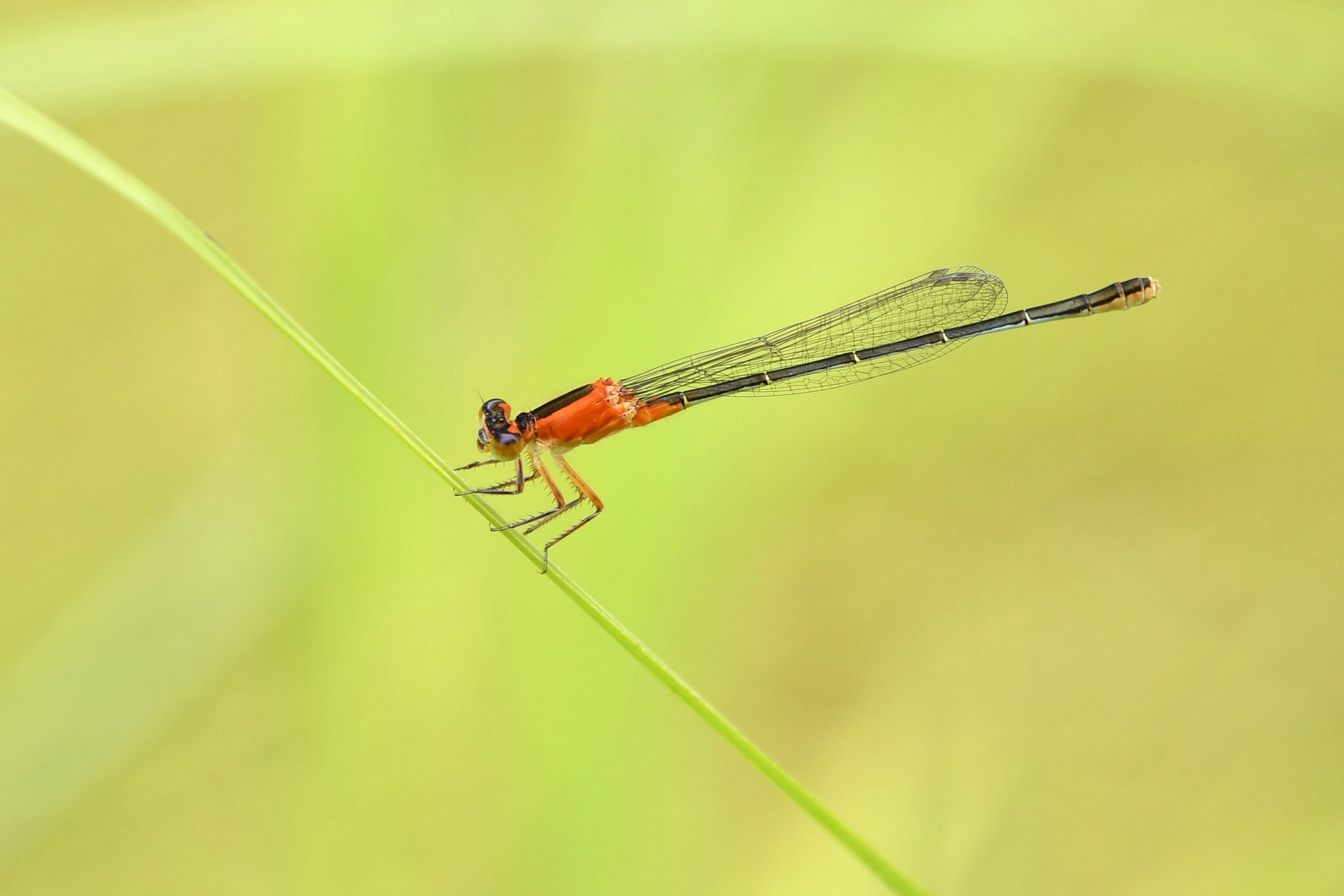
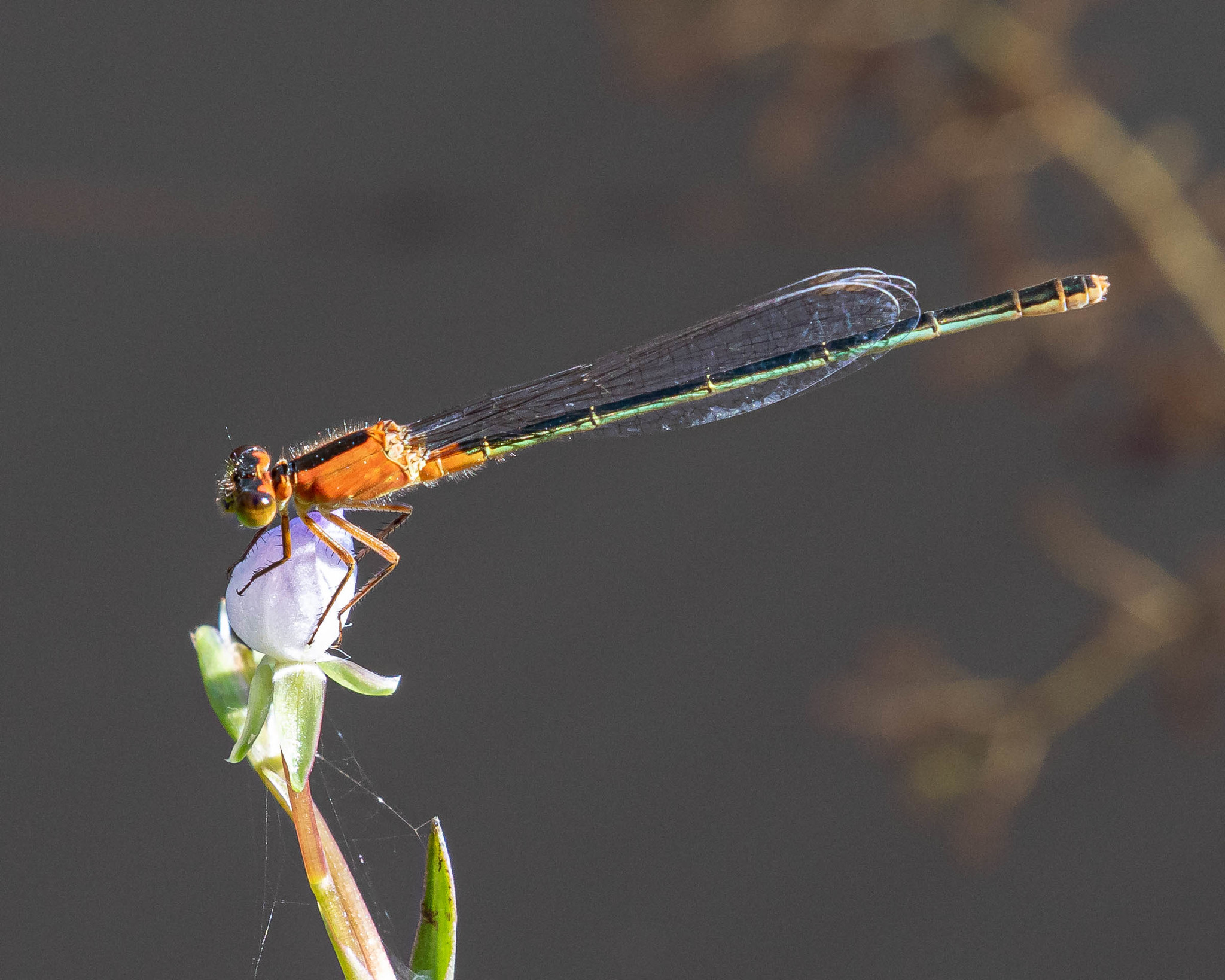
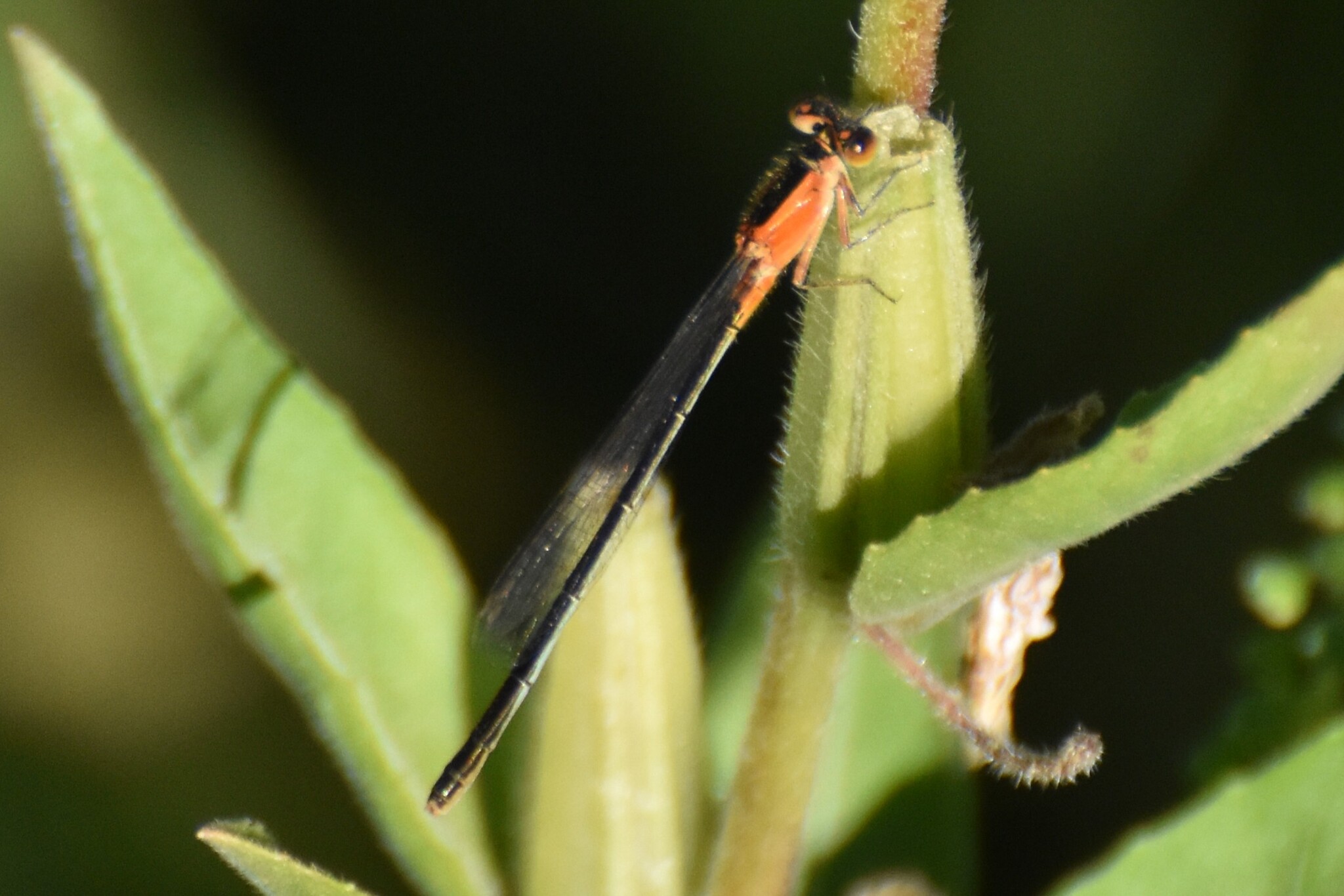
An andromorph Rambur's Forktail found in Monroe Co., Florida (1/6/2010). Sometimes female Rambur's Forktail will have the coloration of a male. This can happen anywhere in the species range.
Rambur's Forktail (Ischnura ramburii) is a large, heavily-built species of forktail usually associated with coastal plain at this latitude, where it may occur in marshes, at ponds or lakes, impoundments, or even ditches or large rivers/estuaries. This adaptable species can breed in brackish water, and is often seen in close proximity to the immediate shore (Lam, 2004; Paulson, 2011). In Maryland, Rambur's Forktail is generally common on the coastal plain, and uncommon further inland (Richard Orr's Dragonflies and Damselflies of Maryland and the District of Columbia).
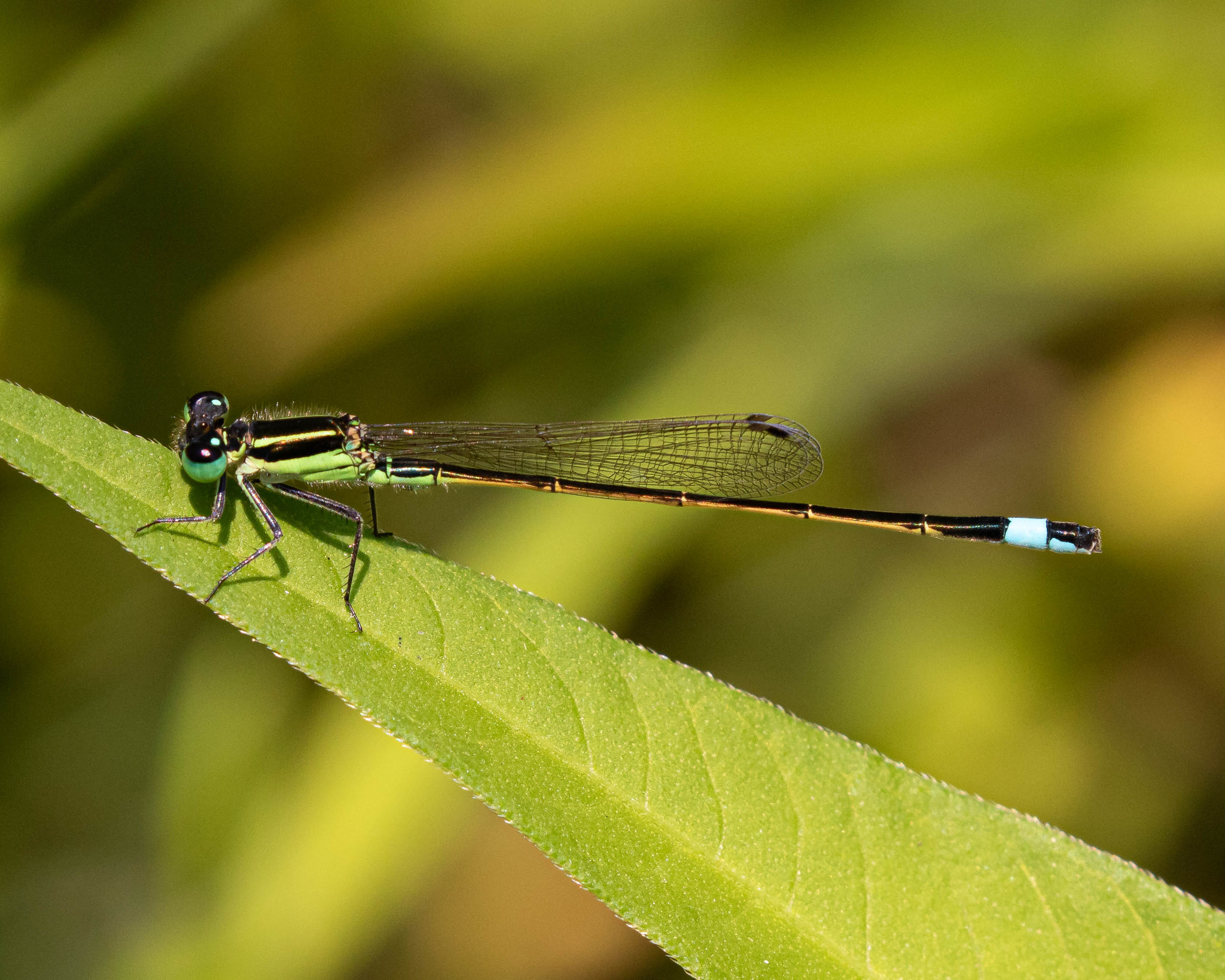
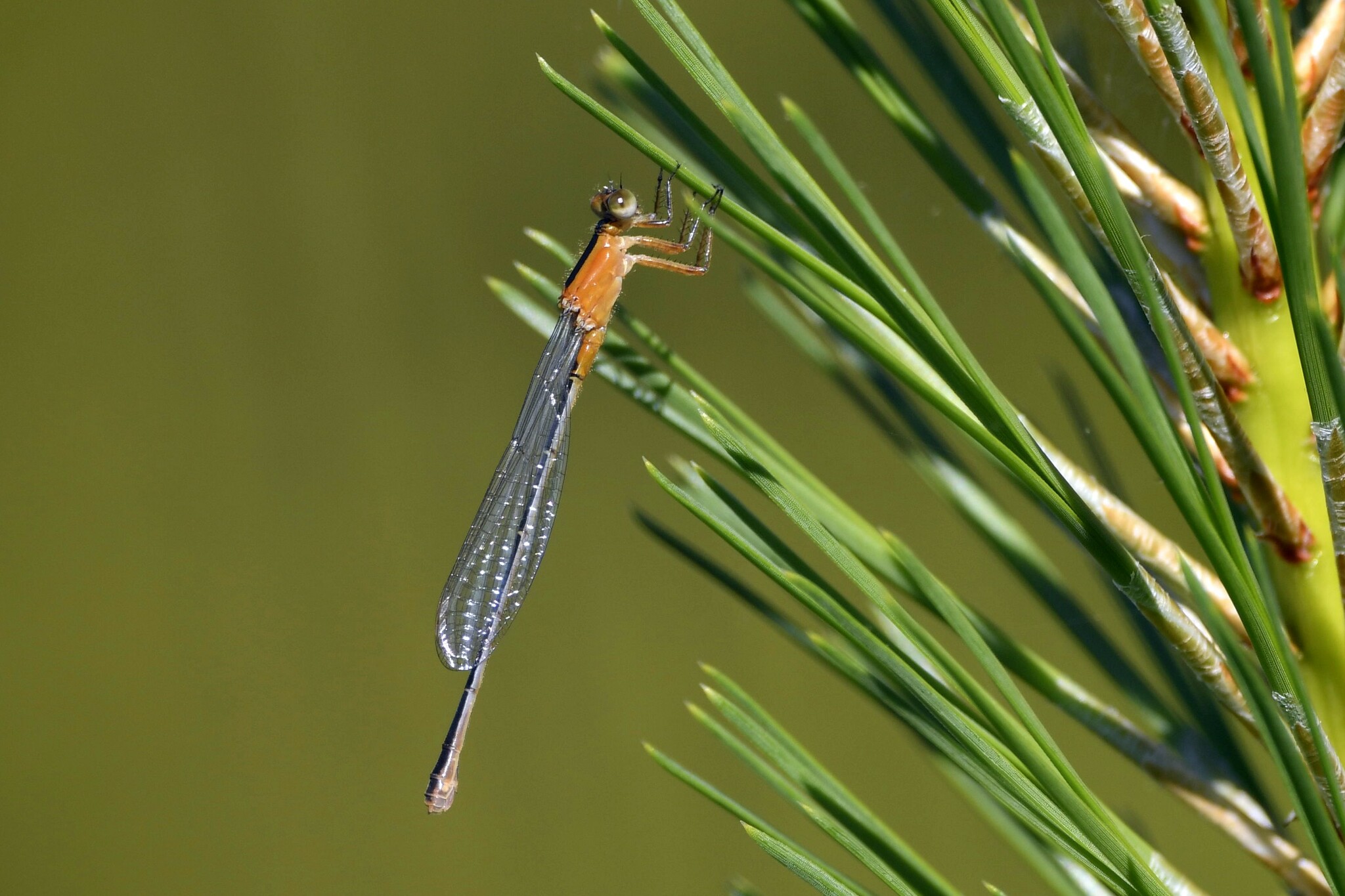
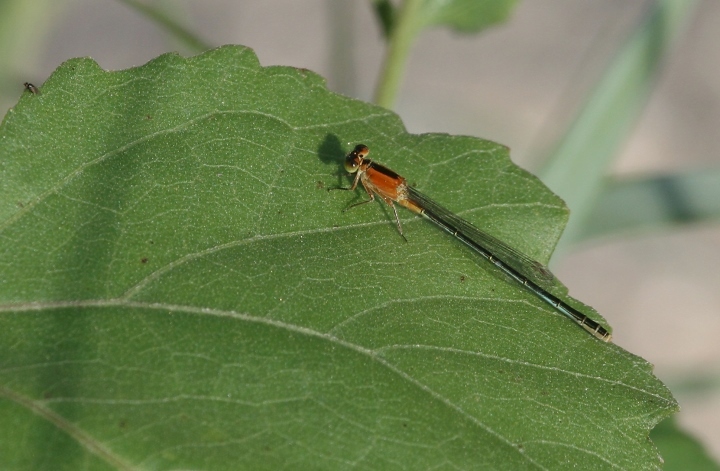
A female Rambur\'s Forktail in Howard Co., Maryland (7/16/2012).
Media by
Bonnie Ott.
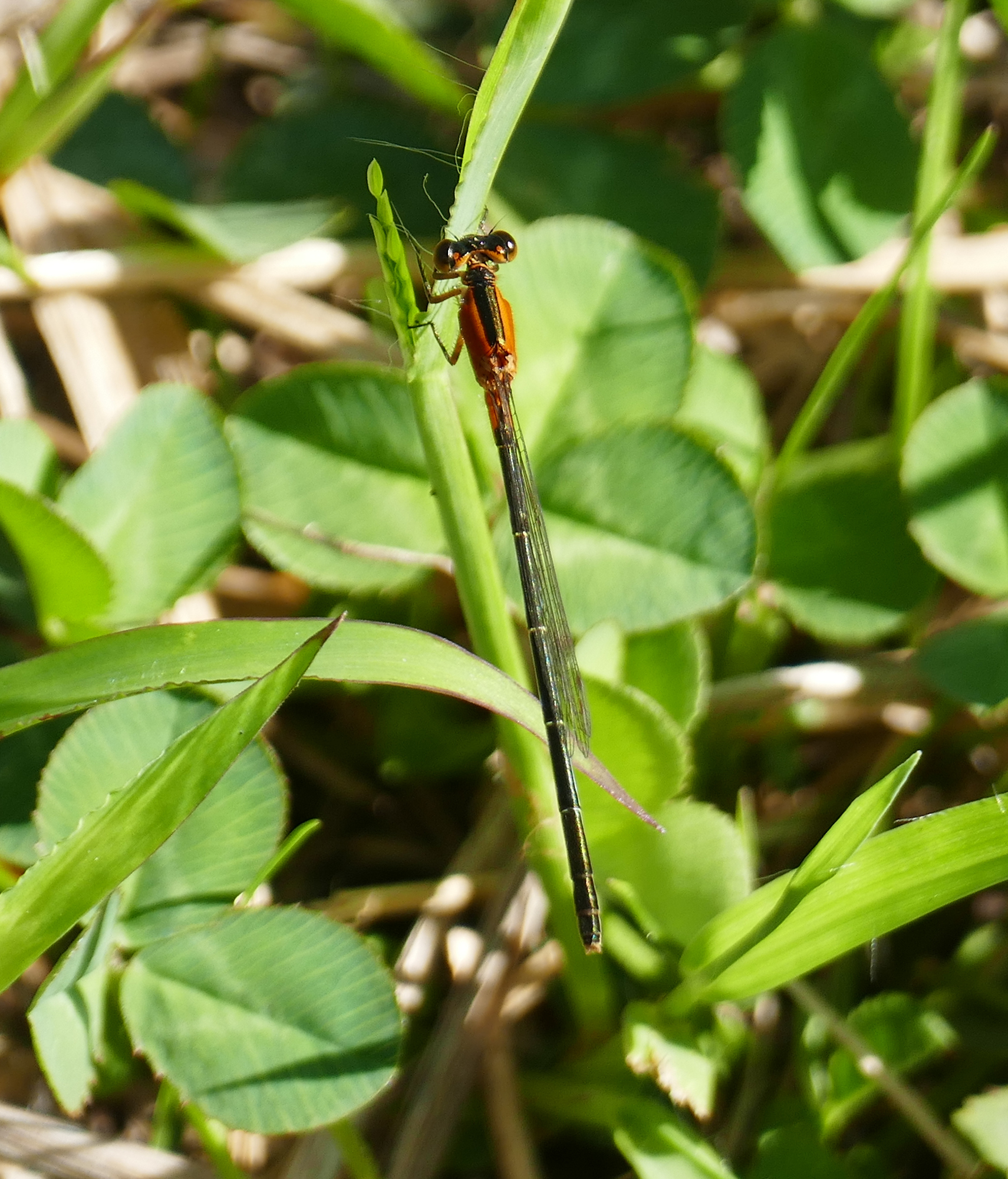
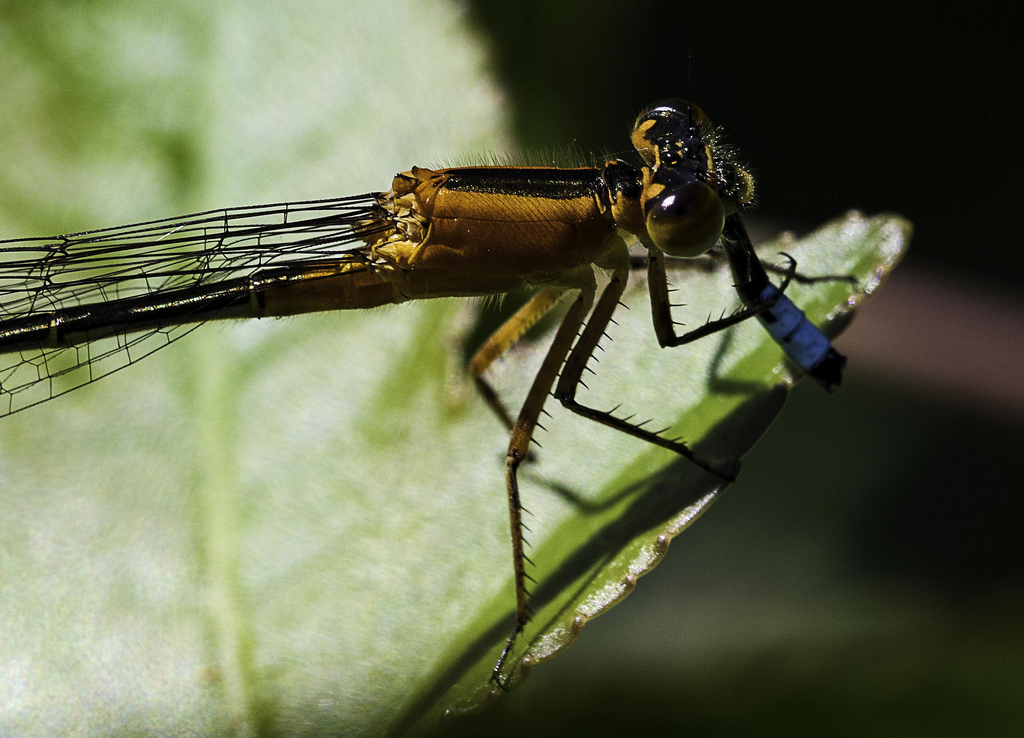
A close-up of a female Rambur's Forktail found on Hart-Miller Island, Baltimore Co., Maryland (8/31/2009).
Media by
Jim Brighton.
An andromorph Rambur's Forktail found in Monroe Co., Florida (1/6/2010). Sometimes female Rambur's Forktail will have the coloration of a male. This can happen anywhere in the species range.
Media by
Jim Brighton.
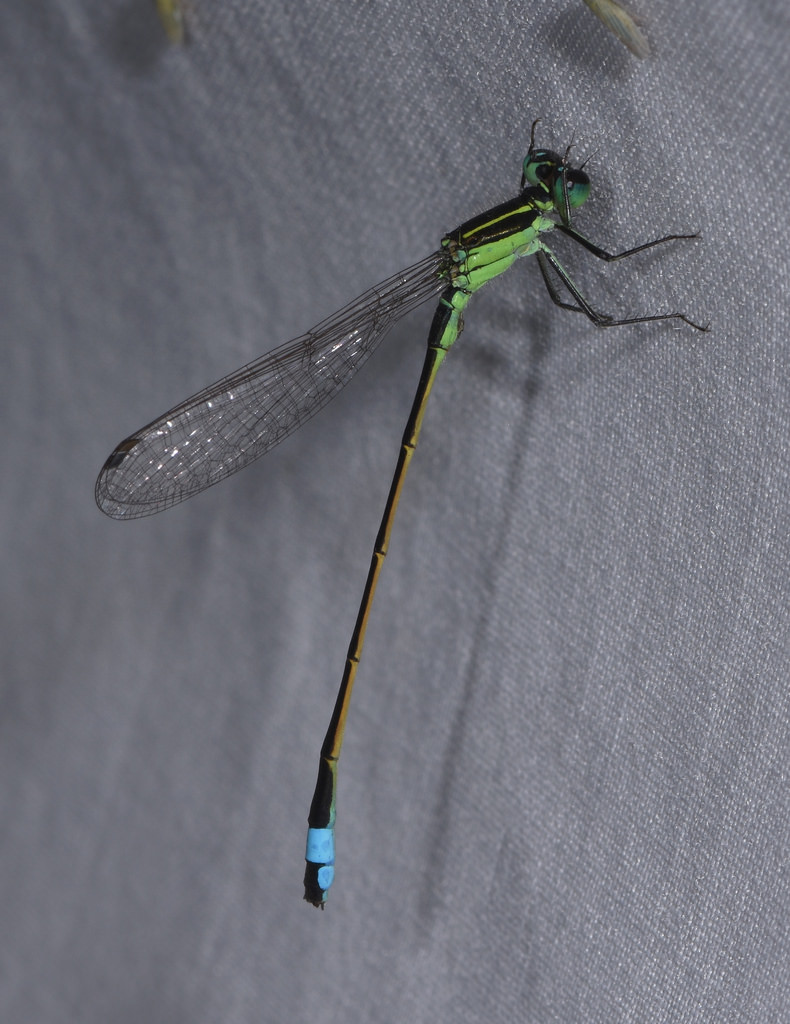
A female Rambur's Forktail devouring a damselfly in Charles Co., Maryland (8/1/2017). Determined by Dan Jackson and William Edwards via BugGuide.
View Record Details
Media by
William Wise.
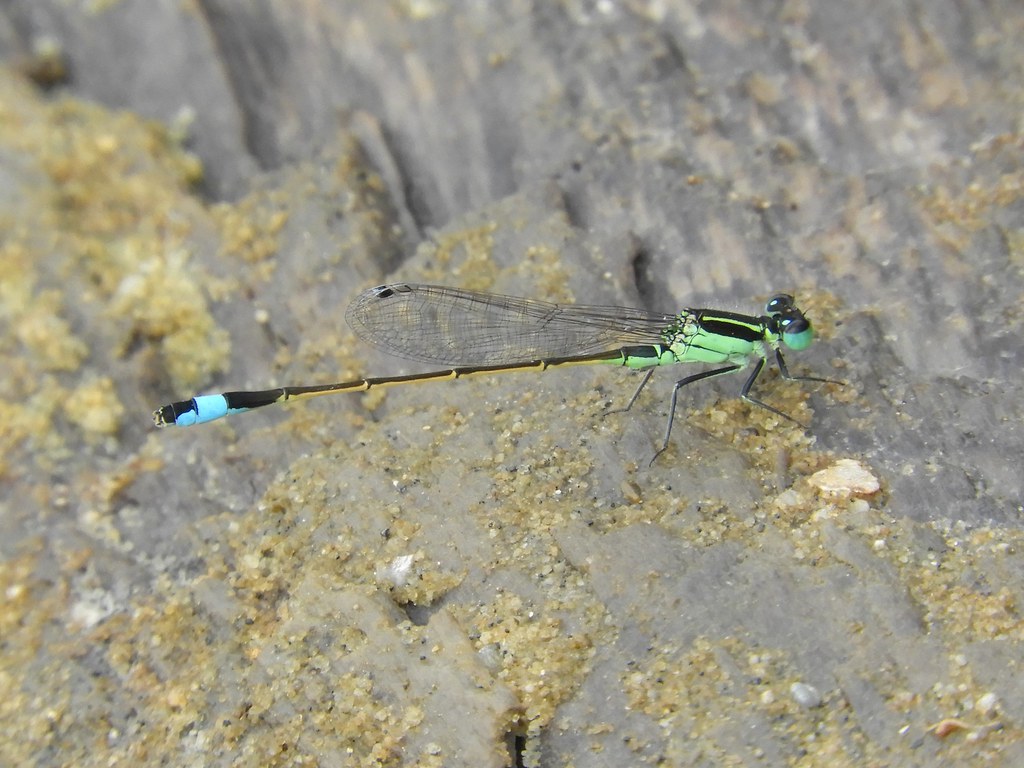
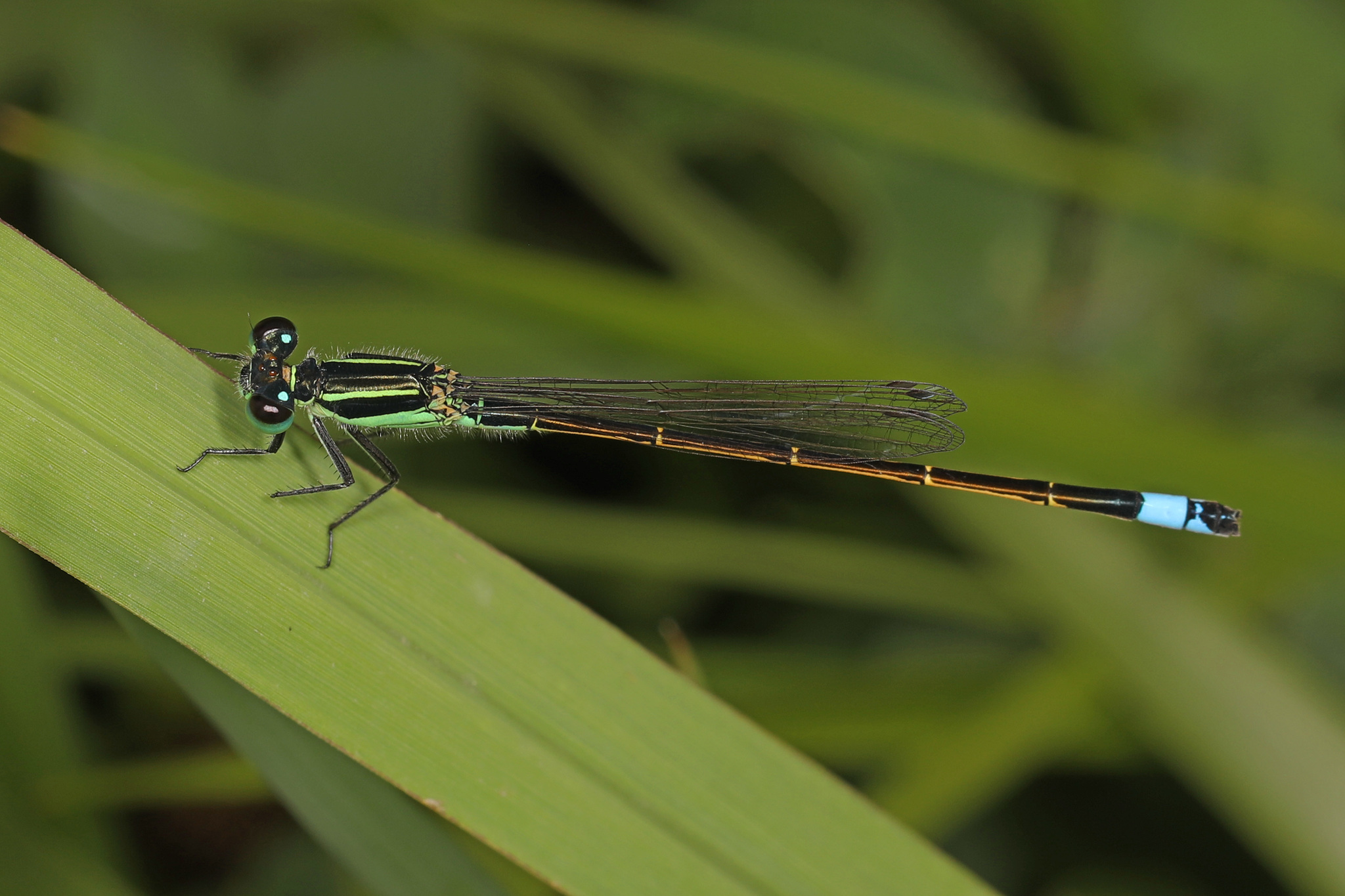
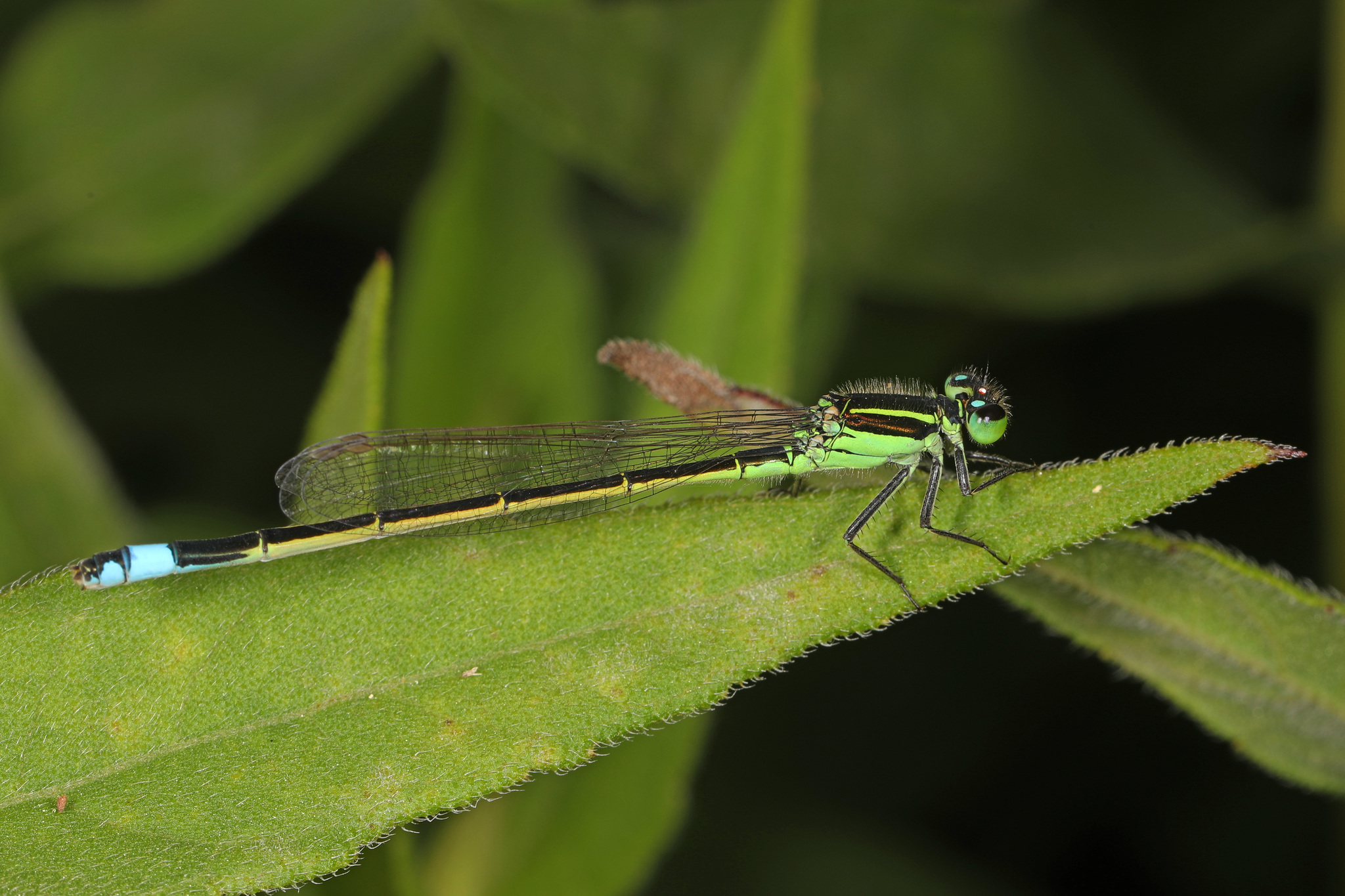
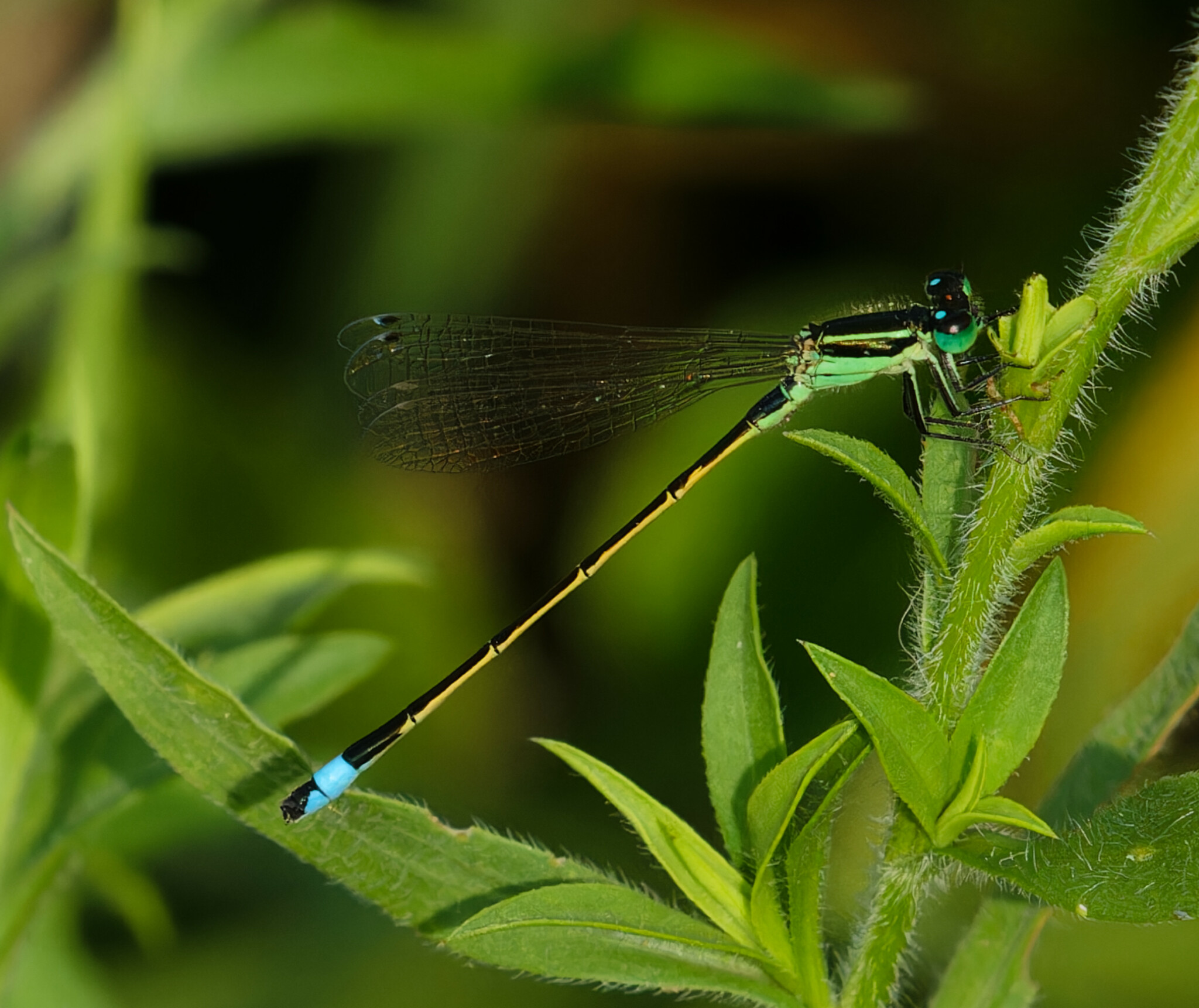
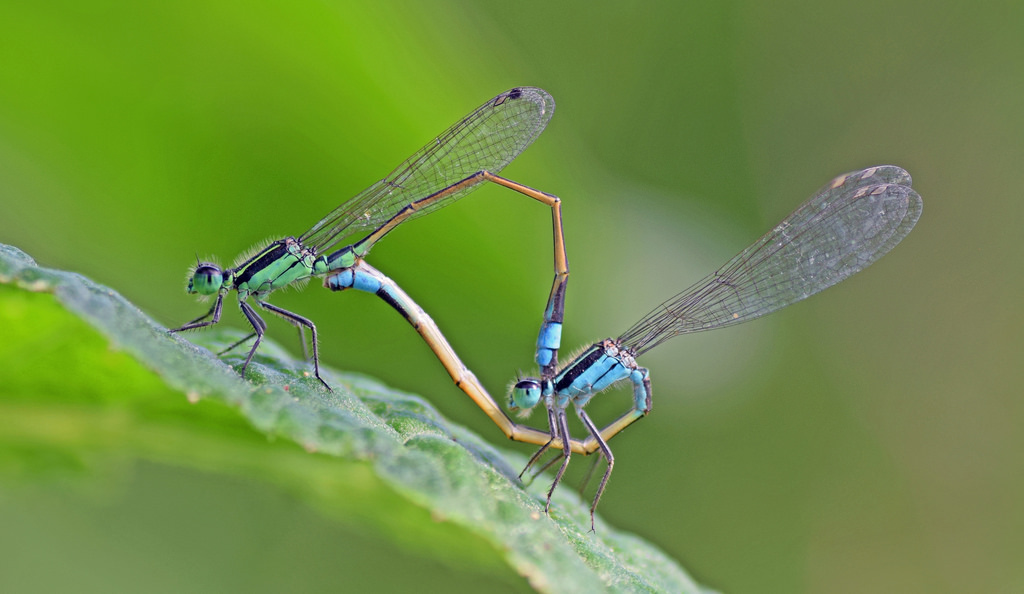
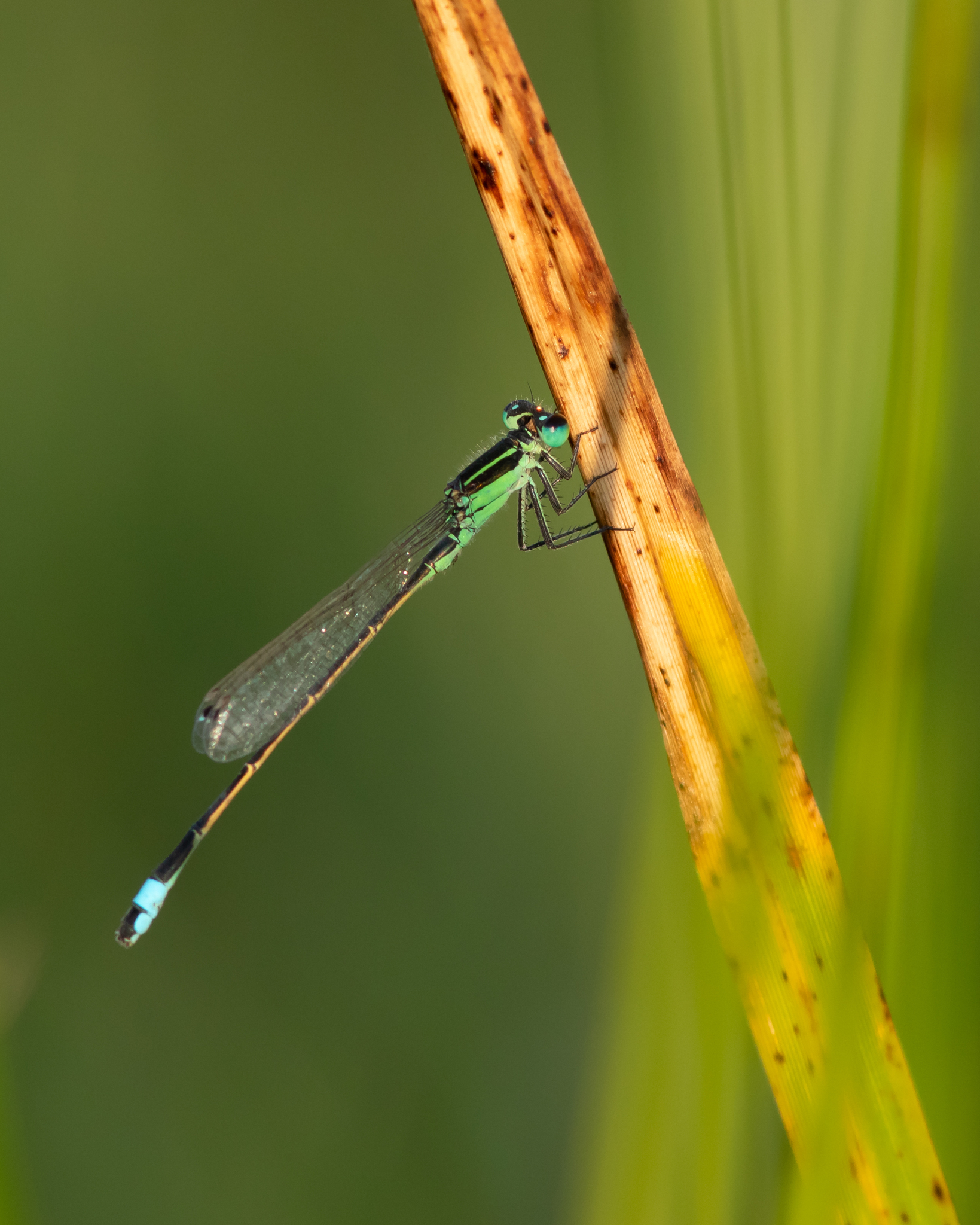
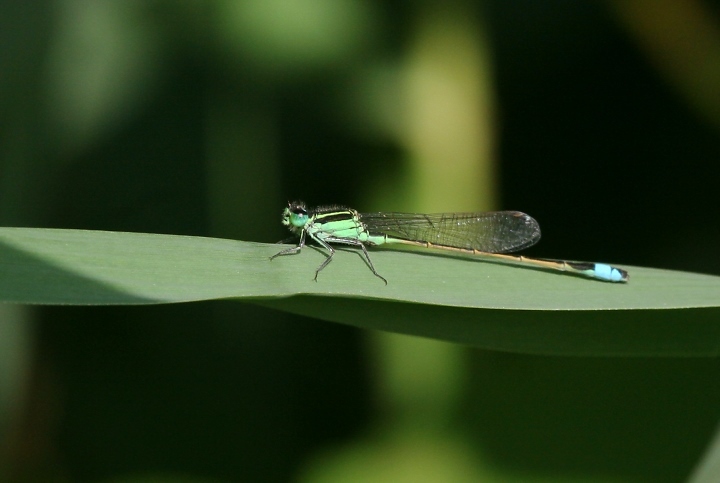
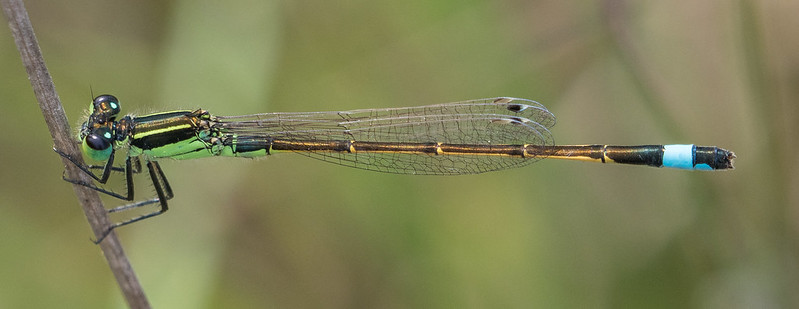
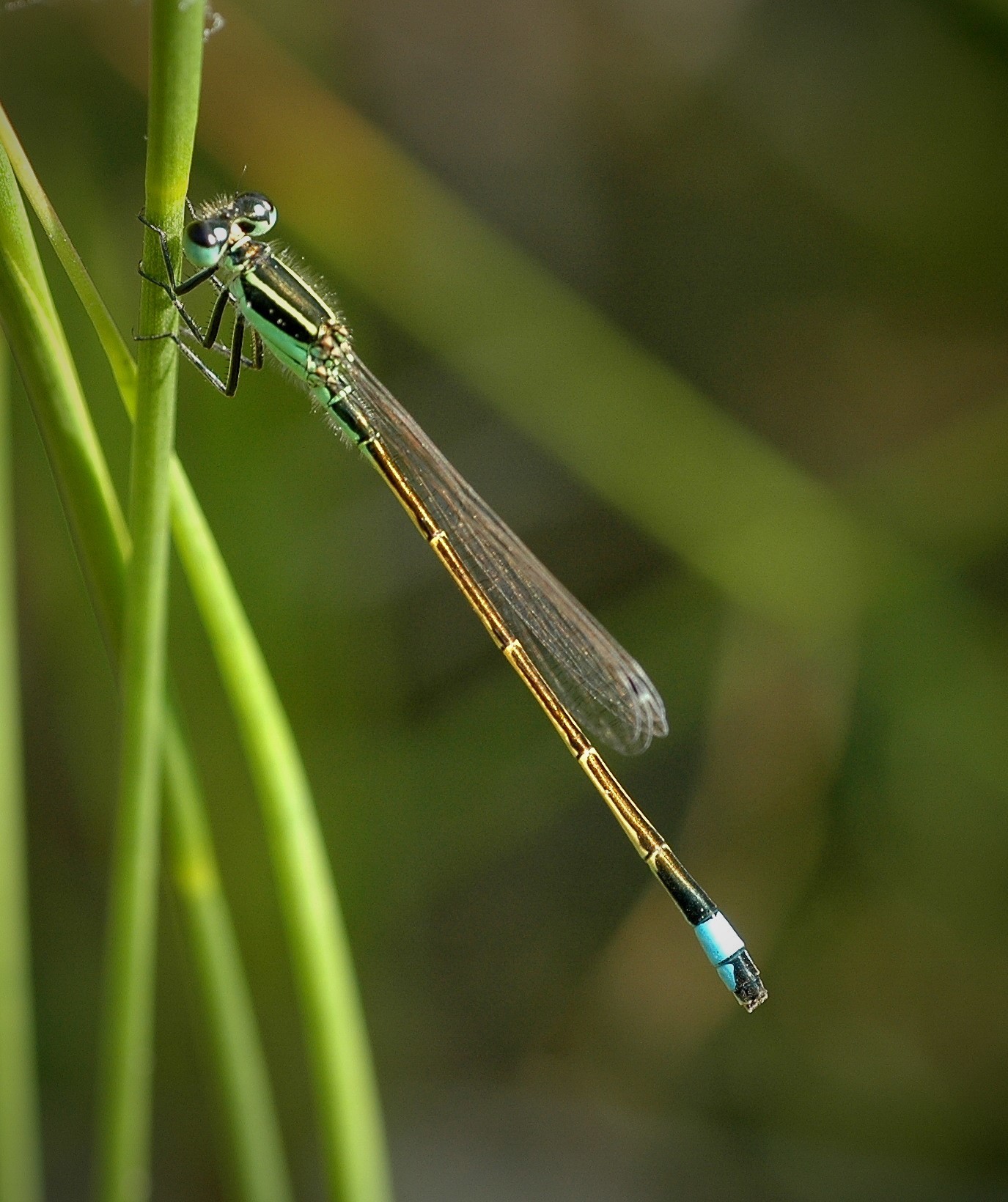
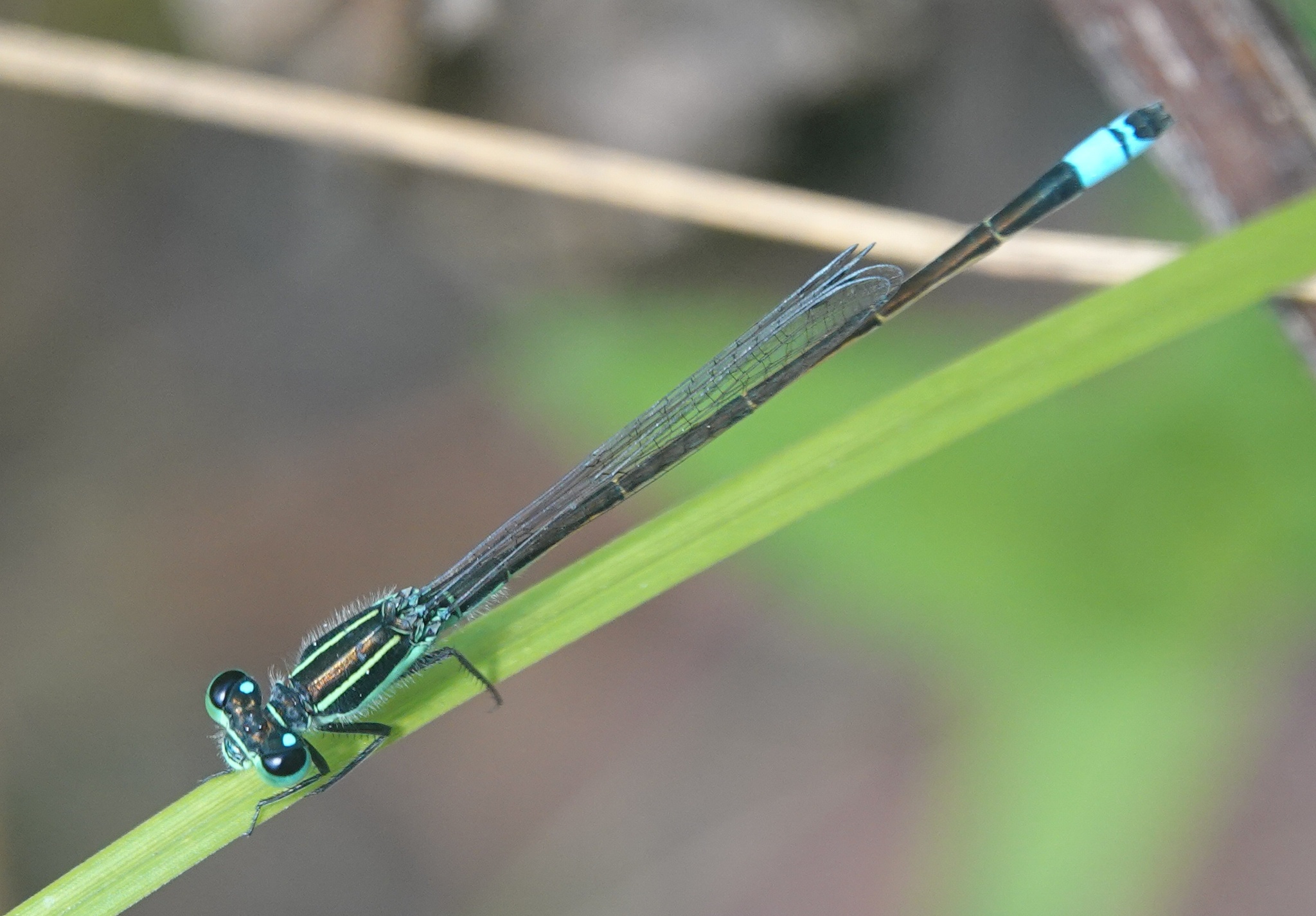
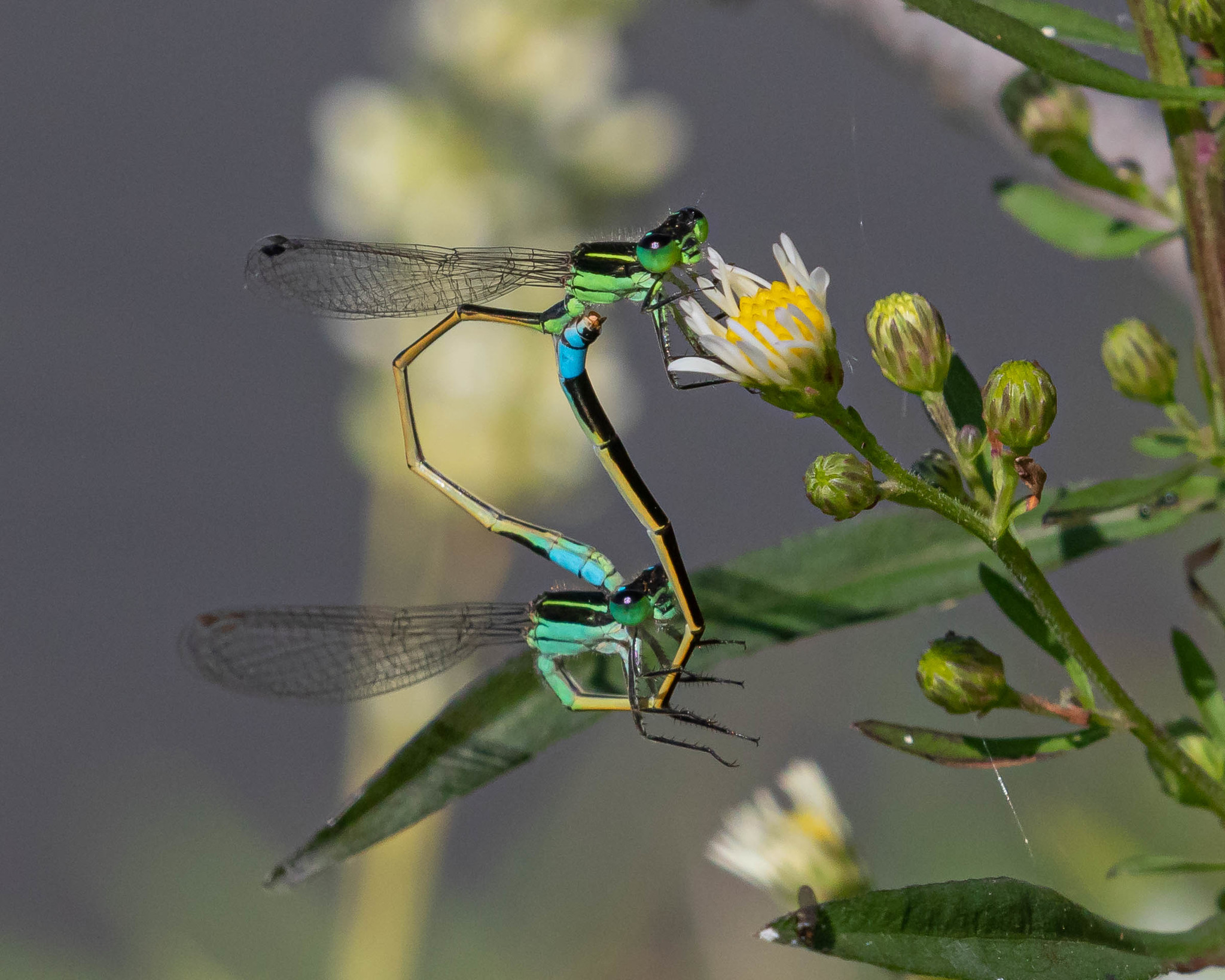
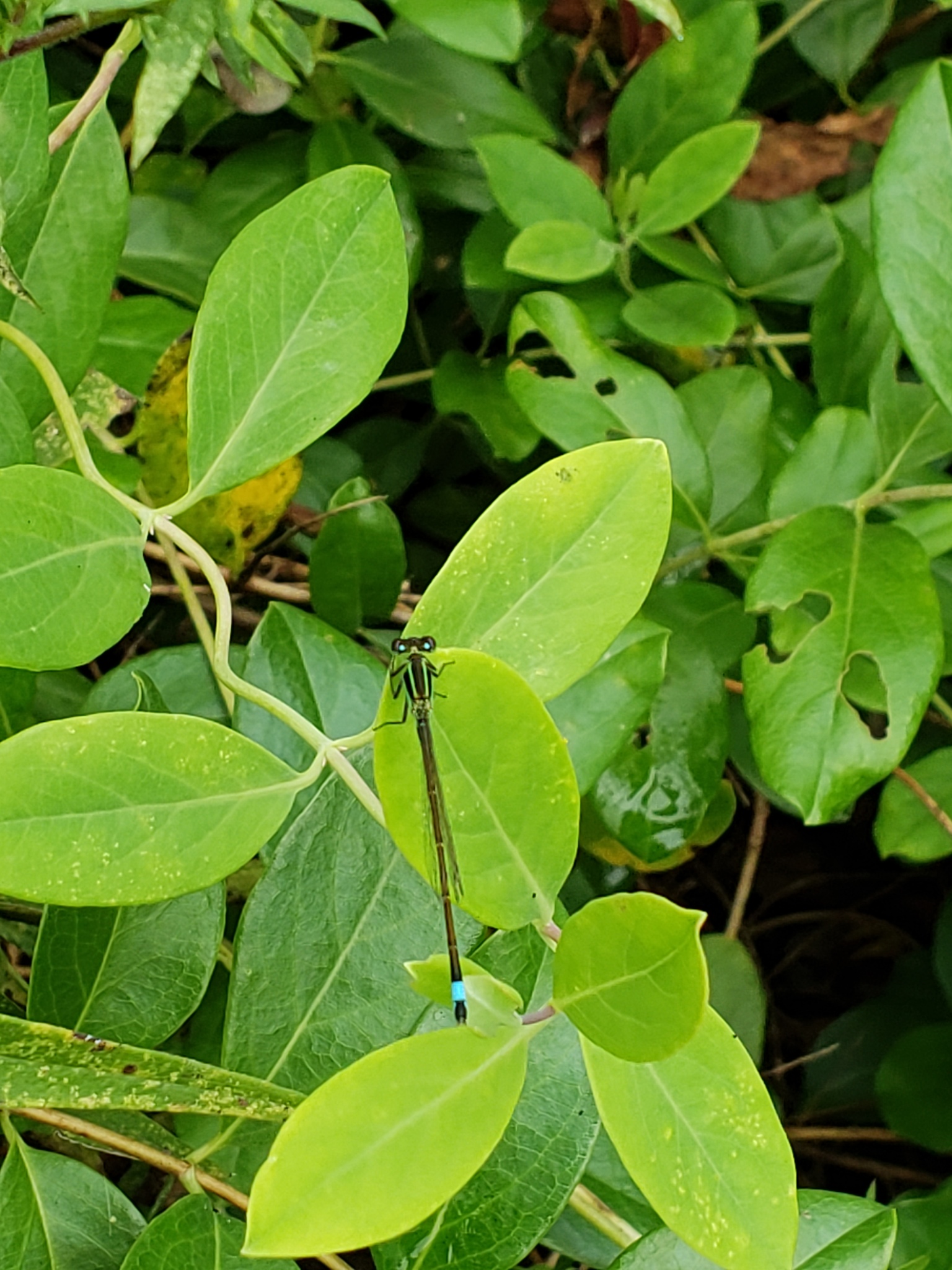
Rambur's forktail (Ischnura ramburii) is a member of the damselfly family Coenagrionidae. Males are green with blue on abdominal segments 8 and 9. Females are orange-red, olive green, or similar to males in coloration.[3] This is the most widespread New World Ischnura, occurring throughout the Americas from the United States to Chile, as well as Hawaii and the Antilles.[4] The damselfly is a beneficial insect which is a predator of mosquitos and other insects and is not harmful to humans.[5]
Ponds, lakes, marshes, and slow streams with vegetation and sunlight are its main habitat.[3]
Damselfly nymphs never live in salt water, but I. ramburii nymphs have been observed in brackish and even sulphurous waters.[6]
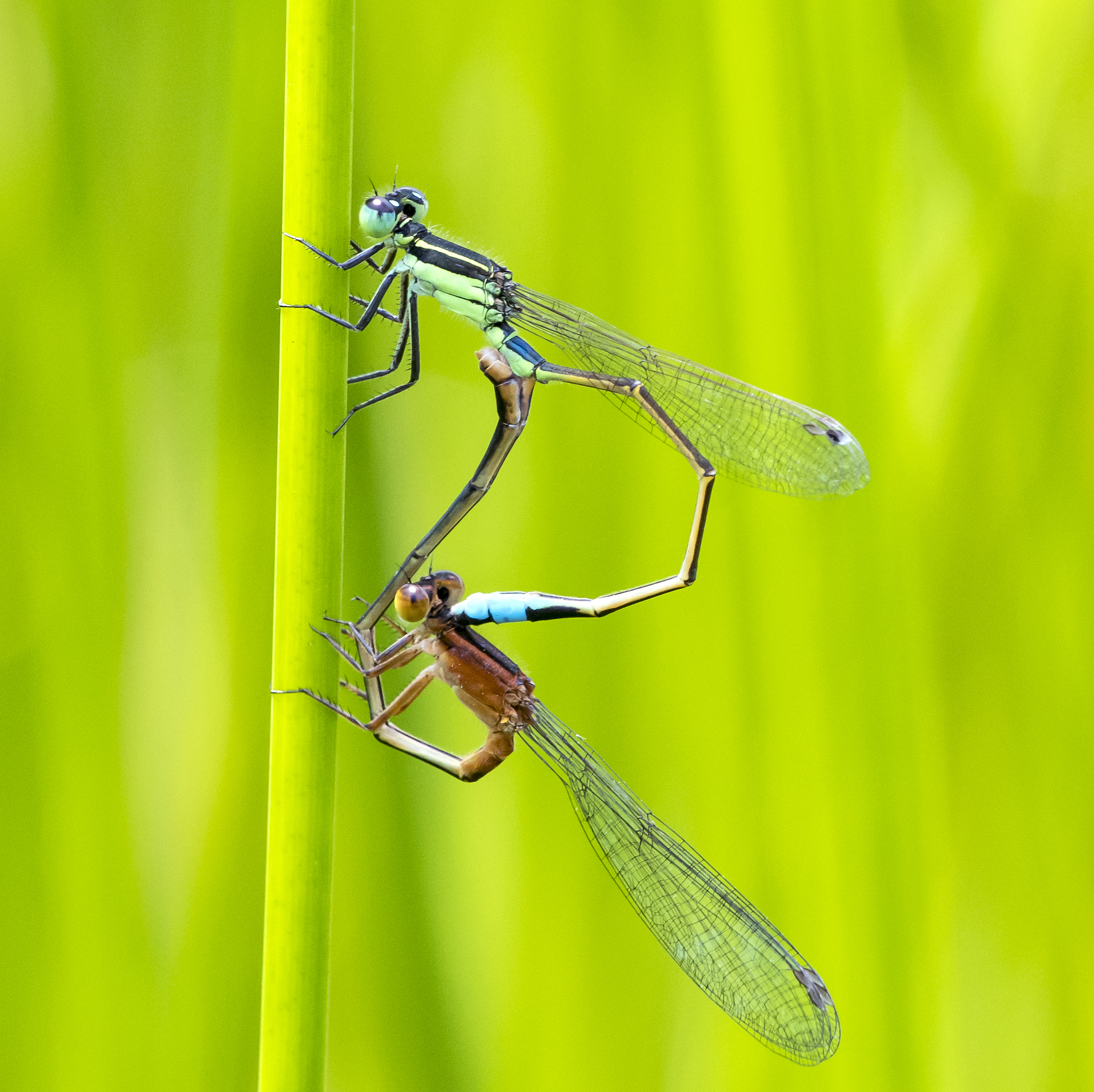
John Edward Lloyd qualified the mating of this species as "enigmatic": the male grasps the female's head with the terminal appendages of its abdomen while the female seeks and absorbs the sperm with its gonopore. He hypothesised that this "wheel" could have evolved in order to prevent females from escaping during the copulation.[7]
Edmond de Sélys Longchamps named this damselfly in honor of Jules Pierre Rambur,[8]
an entomologist 12 years his senior. Rambur's collection of insects was one of several that was incorporated into that of Sélys.
^Thomas, A.W.; Balaban, J.; Balaban, J. (3 November 2011) [Originally published online 16 February 2004]. "Ischnura ramburii". BugGuide.net. Retrieved 22 July 2023.
^Paulson, D. R.; Dunkle, S. W. (14 April 2009). "A Checklist of North American Odonata"(PDF). Jim Johnson. p. 21. Retrieved 22 July 2023 – via odonata.bugfoot.net.






_female_orange-form.JPG)


.JPG)