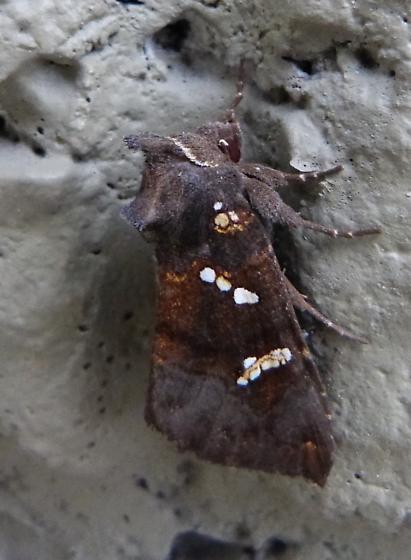
An Ironweed Borer Moth in Allegany Co., Maryland (10/14/2014). Verified by Paul Dennehy/BugGuide.
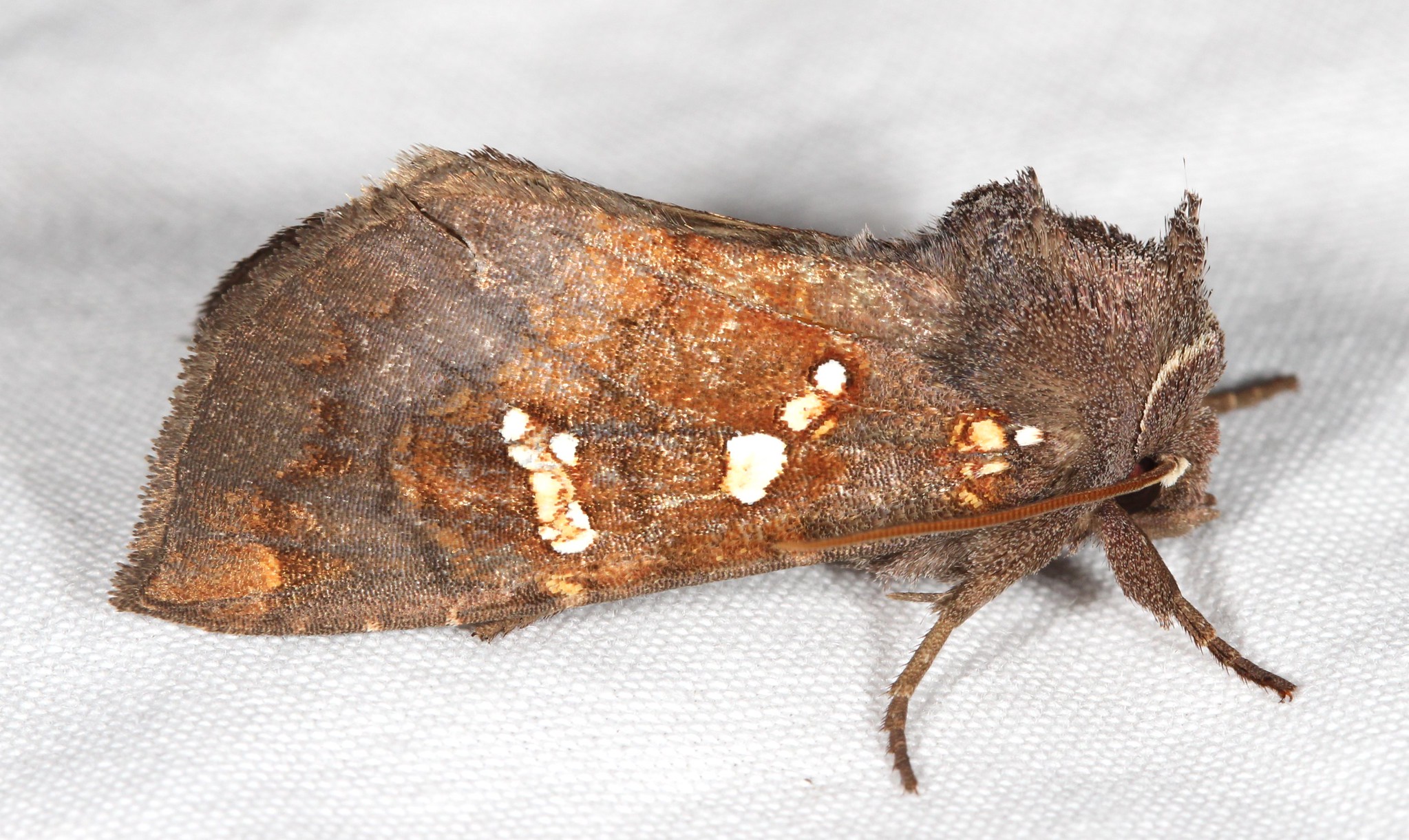
An Ironweed Borer Moth in Baltimore Co., Maryland (10/16/2022).
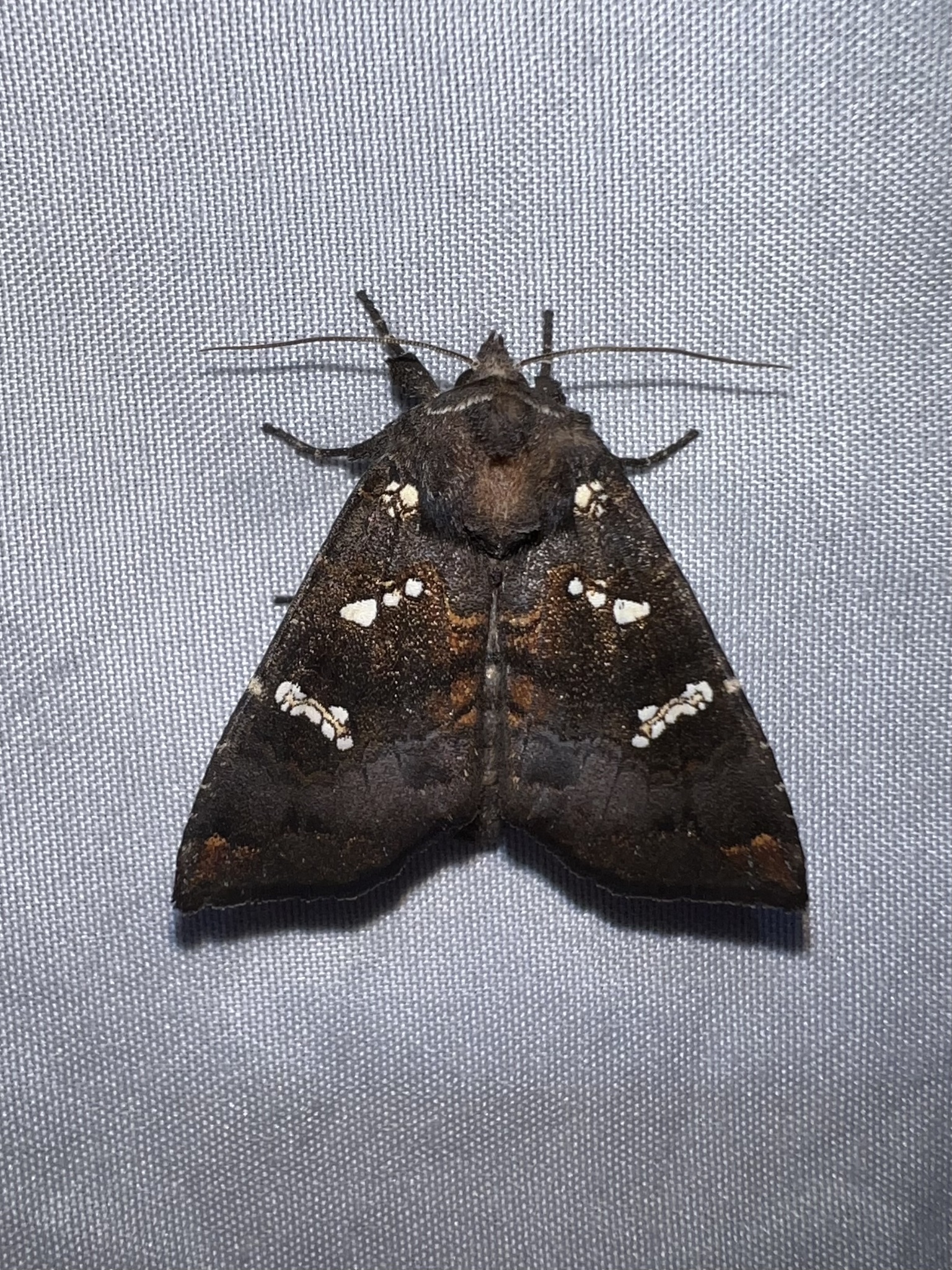
Ironweed Borer Moth in Garrett Co. (Date obscured). (c) Kyle Klotz, all rights reserved

An Ironweed Borer Moth in Harford Co., Maryland (10/15/2017). Verified by Roger Downer/BAMONA.
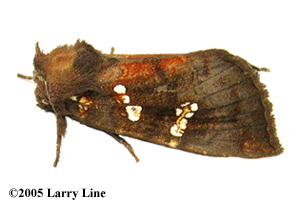
An Ironweed Borer Moth in Howard Co., Maryland (10/5/2005).
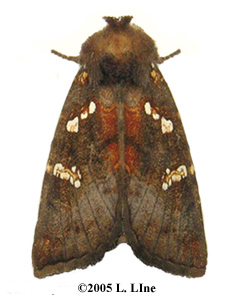
An Ironweed Borer Moth in Howard Co., Maryland (10/5/2005).
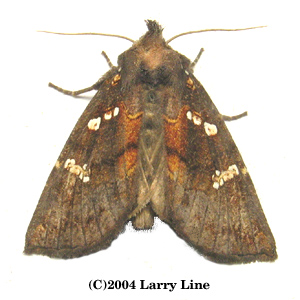
An Ironweed Borer Moth in Howard Co., Maryland (9/28/2004).
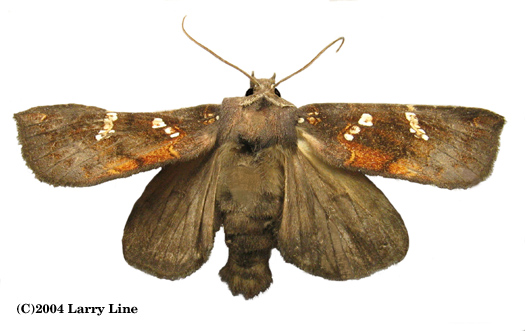
An Ironweed Borer Moth in Howard Co., Maryland (9/28/2004).
Map Snapshot


40 Records
Relationships
Preferred larval host is Vernonia sp. Other larval hosts include Eutrochium sp., Arnoglossum sp., Silphium sp., and Baptisia sp. Larvae bore into stems and roots. (Quinter E.L., McBride A.E. (2025) The Moths of North America.)
Citations
No citations linked for this taxon yet.
Use of media featured on Maryland
Biodiversity Project is only permitted with express permission of the
photographer.
An Ironweed Borer Moth in Allegany Co., Maryland (10/14/2014). Verified by Paul Dennehy/BugGuide.
View Record Details
Media by
Jim Brighton.
An Ironweed Borer Moth in Baltimore Co., Maryland (10/16/2022).
View Record Details
Media by
Dave Webb.
Ironweed Borer Moth in Garrett Co. (Date obscured). (c) Kyle Klotz, all rights reserved
View Record Details
Media by
Kyle Klotz.
An Ironweed Borer Moth in Harford Co., Maryland (10/15/2017). Verified by Roger Downer/BAMONA.
View Record Details
Media by
Dave Webb.
An Ironweed Borer Moth in Howard Co., Maryland (10/5/2005).
View Record Details
Media by
Larry Line.
An Ironweed Borer Moth in Howard Co., Maryland (10/5/2005).
View Record Details
Media by
Larry Line.
An Ironweed Borer Moth in Howard Co., Maryland (9/28/2004).
View Record Details
Media by
Larry Line.
An Ironweed Borer Moth in Howard Co., Maryland (9/28/2004).
View Record Details
Media by
Larry Line.
Source: Wikipedia
| Papaipema cerussata | |
|---|---|
.jpg)
| |
Scientific classification 
| |
| Kingdom: | Animalia |
| Phylum: | Arthropoda |
| Clade: | Pancrustacea |
| Class: | Insecta |
| Order: | Lepidoptera |
| Superfamily: | Noctuoidea |
| Family: | Noctuidae |
| Genus: | Papaipema |
| Species: | P. cerussata
|
| Binomial name | |
| Papaipema cerussata (Grote, 1864)
| |
| Synonyms | |
| |
Papaipema cerussata, the ironweed borer moth, is a moth in the family Noctuidae.[1] It is found in eastern North America, where it has been recorded from Georgia, Illinois, Indiana, Kentucky, Maine, Maryland, Michigan, New Jersey, New York, North Carolina, Ohio, Pennsylvania, South Carolina, Tennessee, Virginia and West Virginia.[2]
Host plants
[edit]The larvae feed on Vernonia noveboracensis.
References
[edit]- ^ Beadle, David; Leckie, Seabrooke. Moths of Northeastern North America (1st ed.). Houghton Mifflin. p. 454. ISBN 978-0-547-23848-7.
- ^ mothphotographersgroup