Eastern NewtNotophthalmus viridescens (Rafinesque, 1820)
Taxon ID: 470
Media
18 displayed media

Media use: Photos and other media featured on Maryland Biodiversity Project may be used only with express permission of the photographer.
Records
MapsMBP has 906 records spanning 20 counties. We still need records from Baltimore City, Queen Anne's, Somerset, and Worcester.


Details
Status
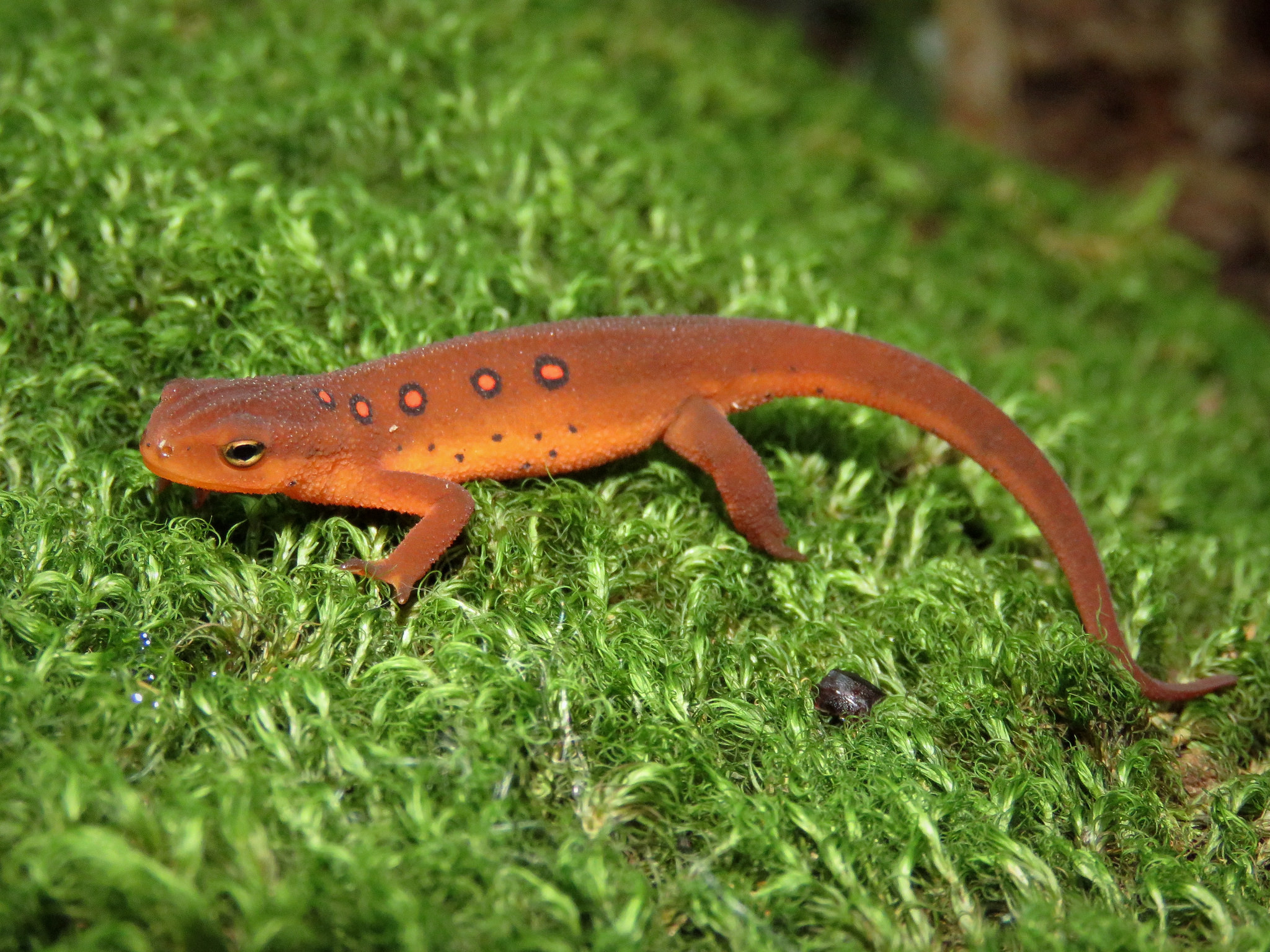
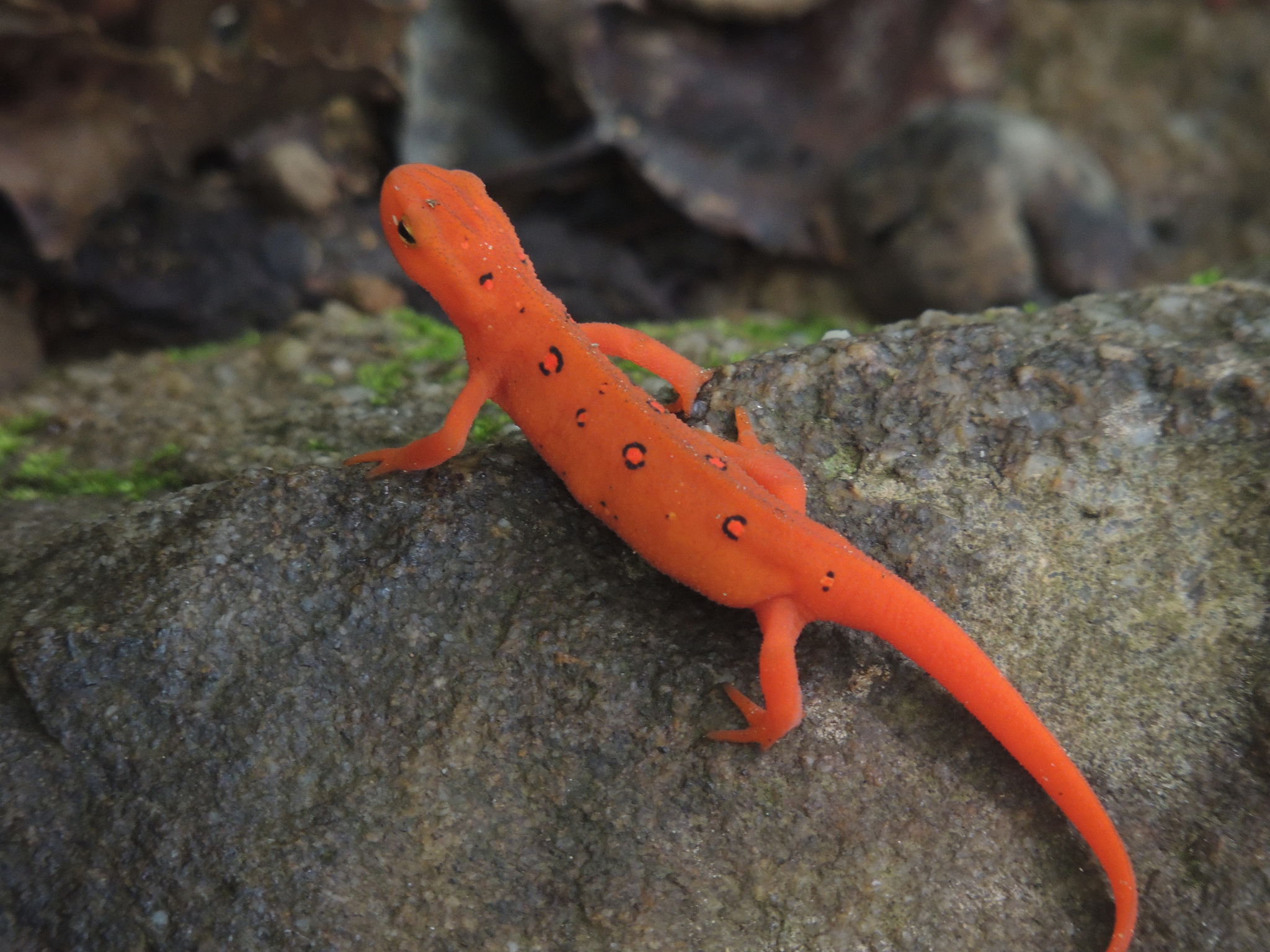
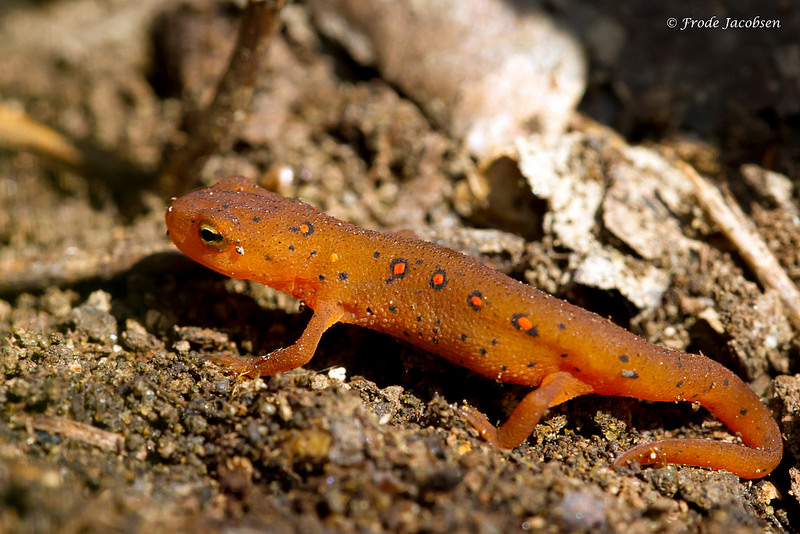
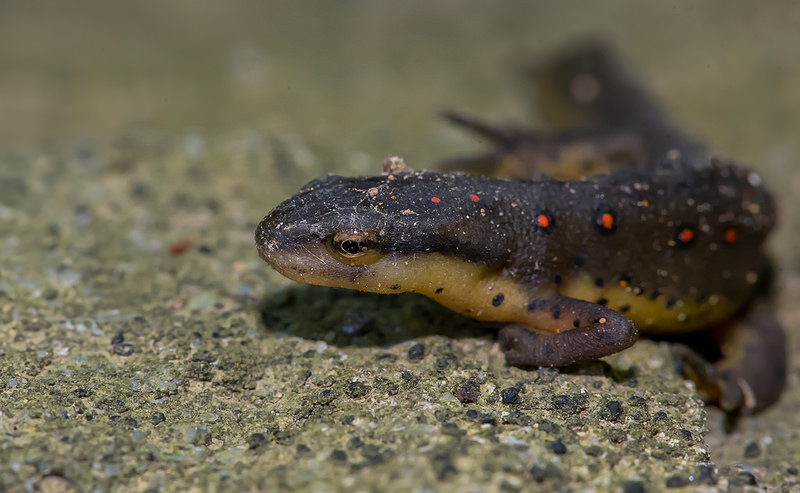
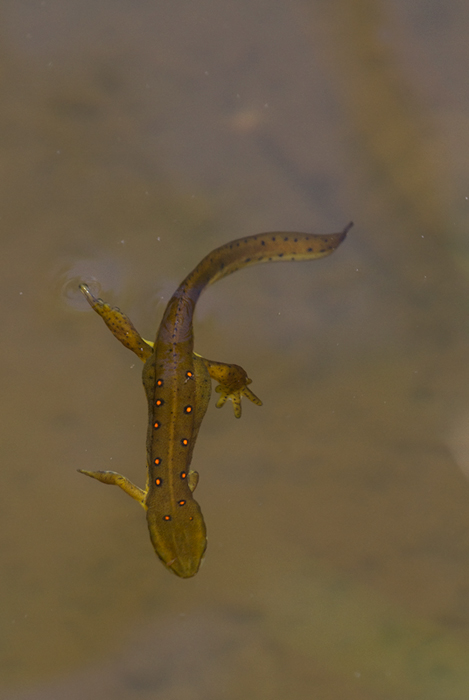
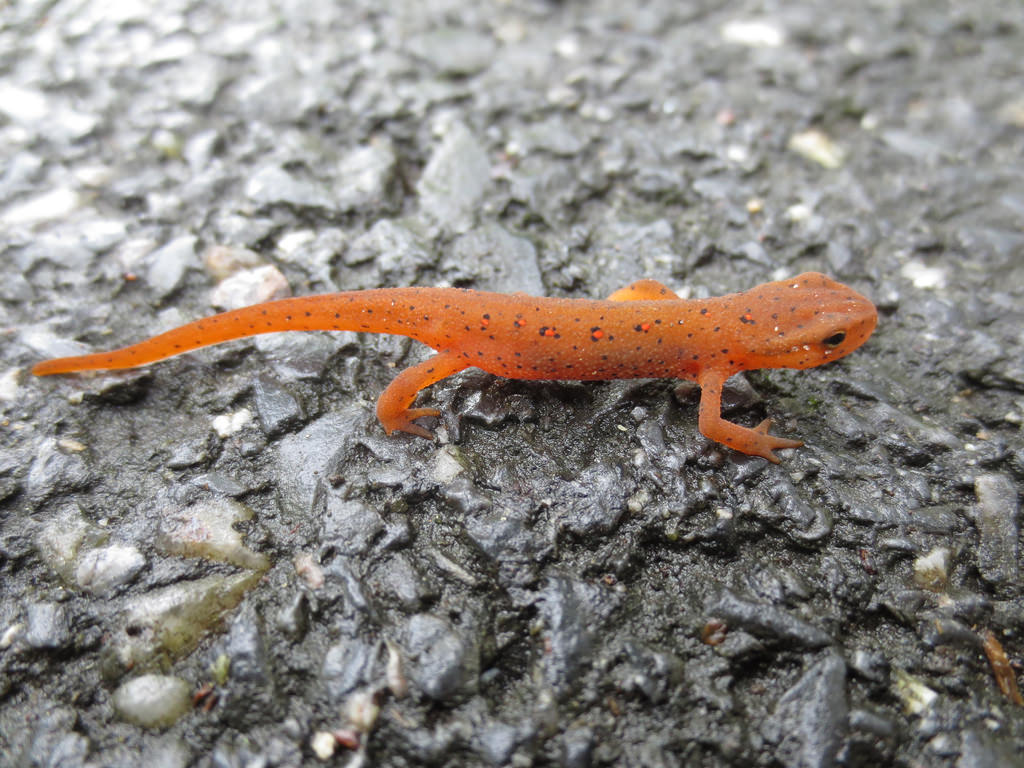
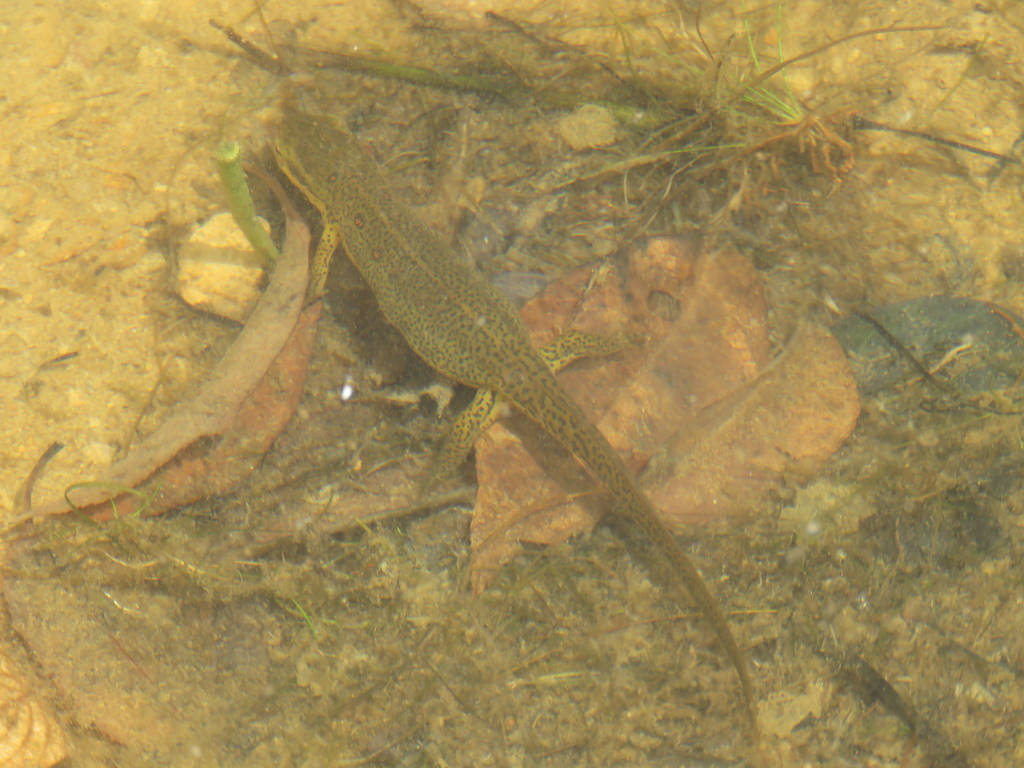
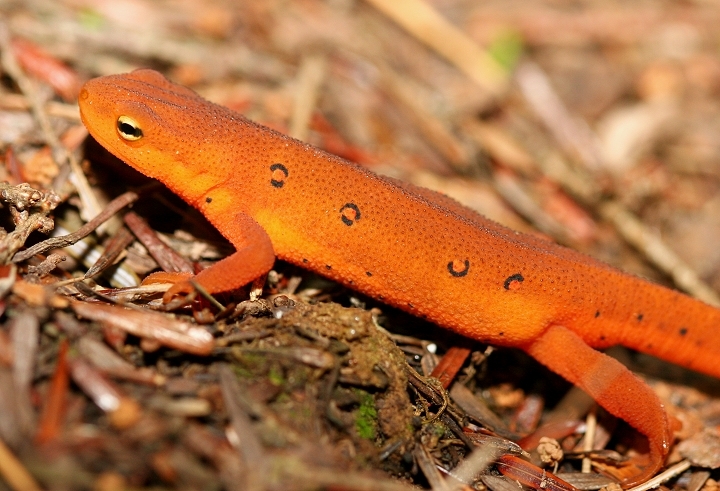
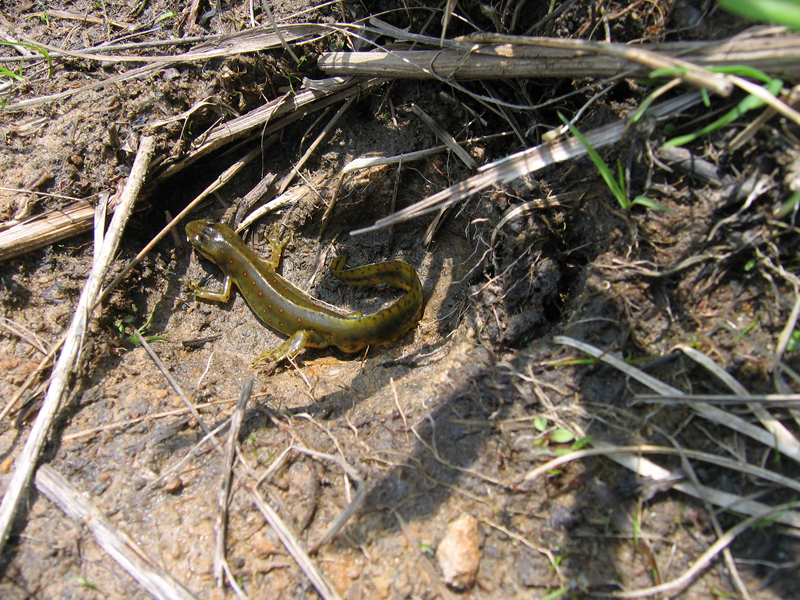
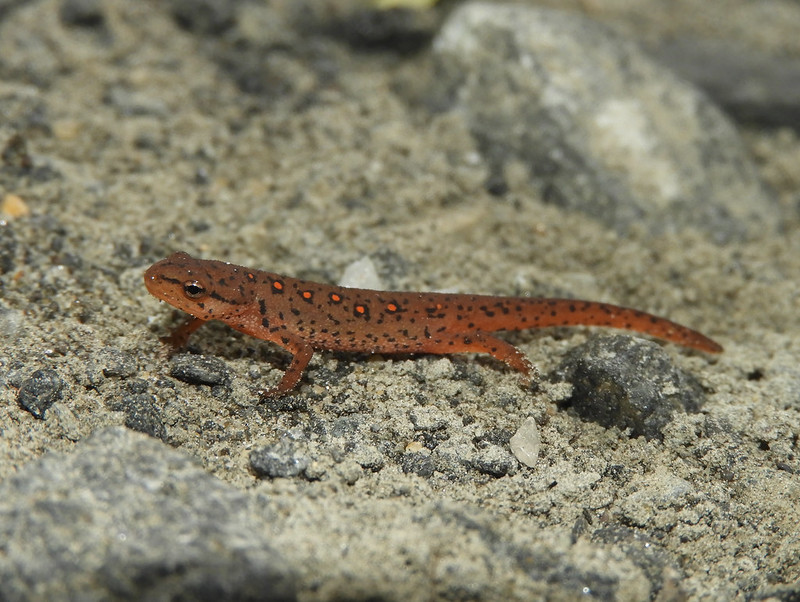
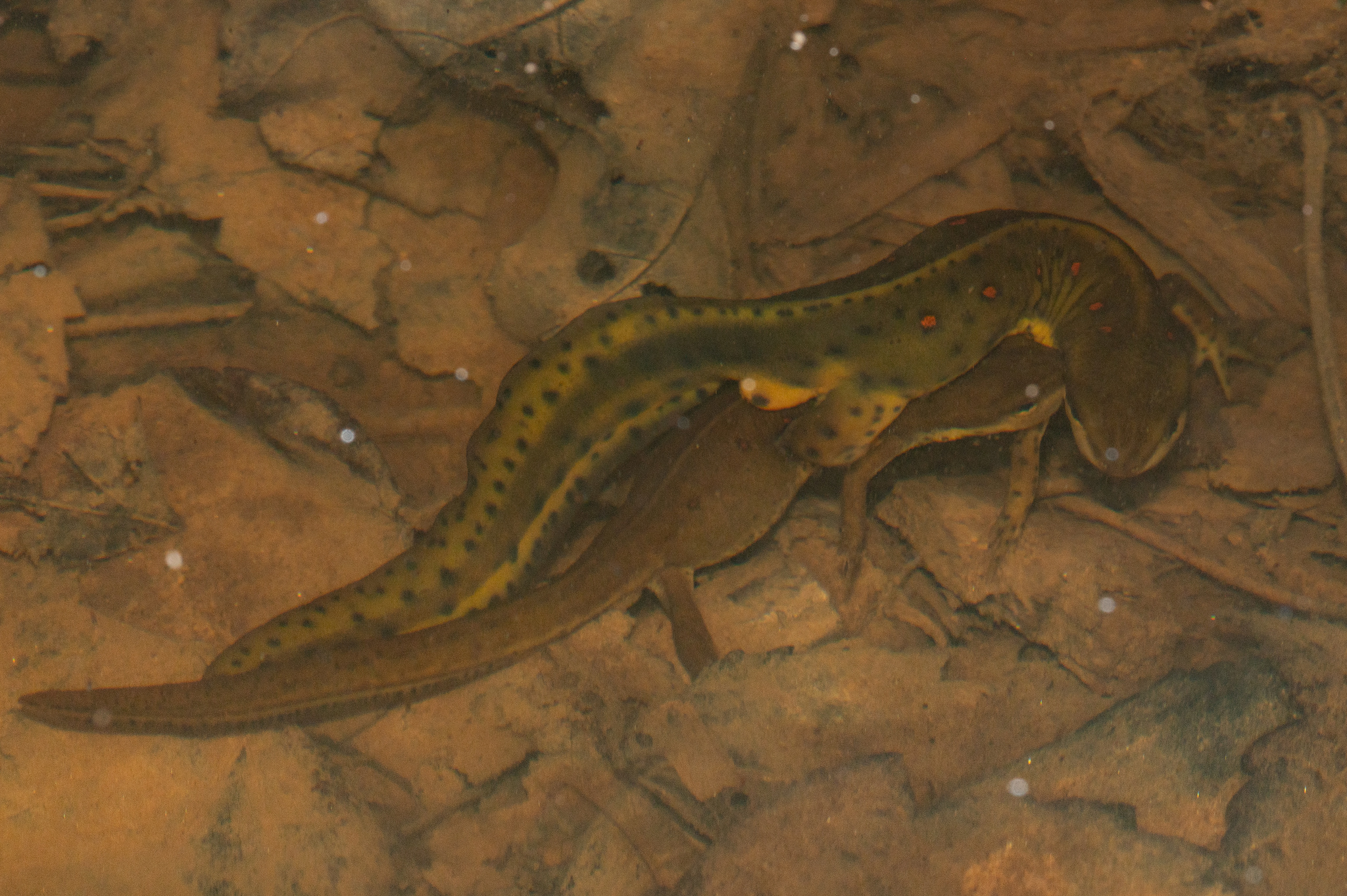
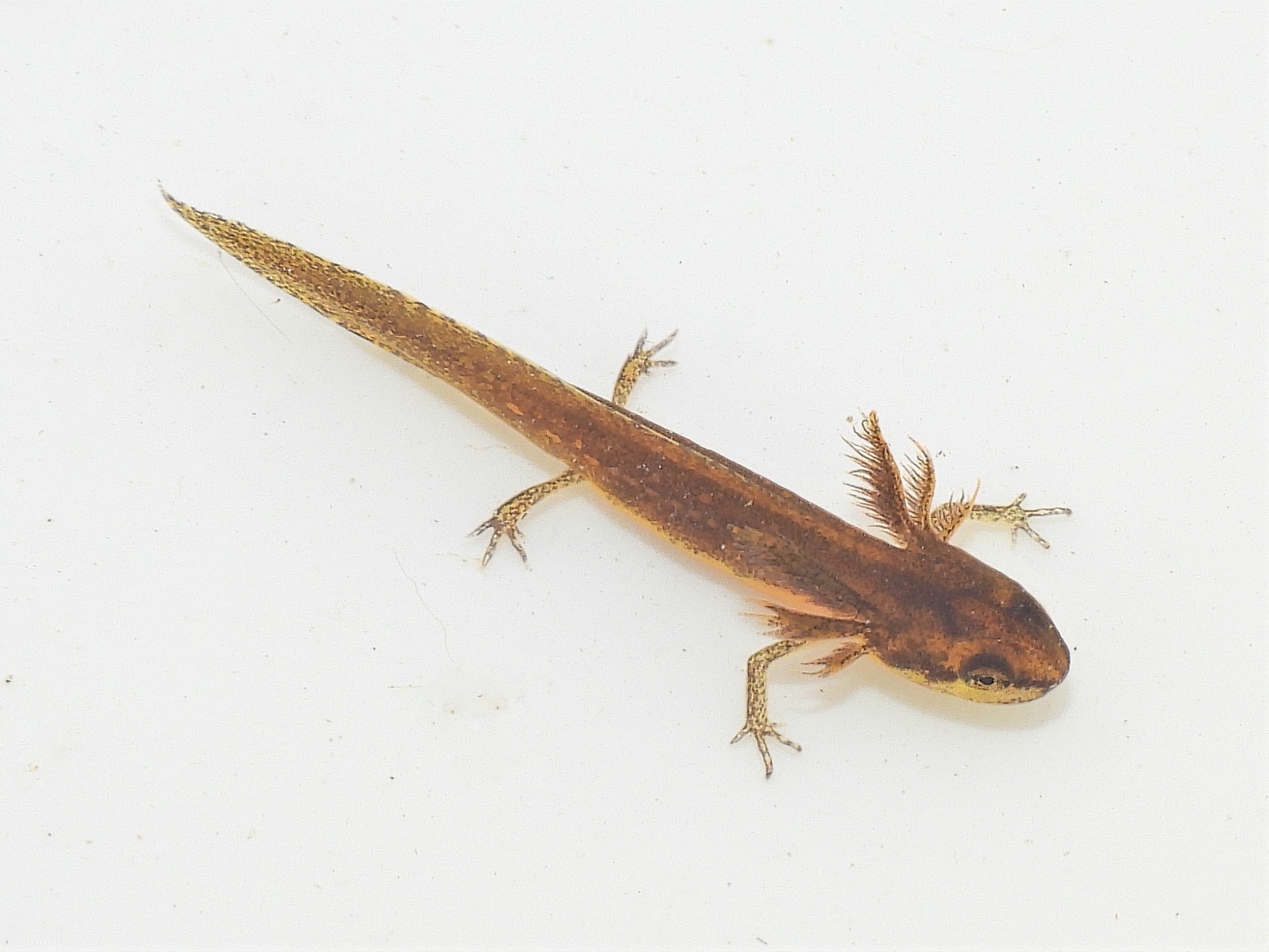
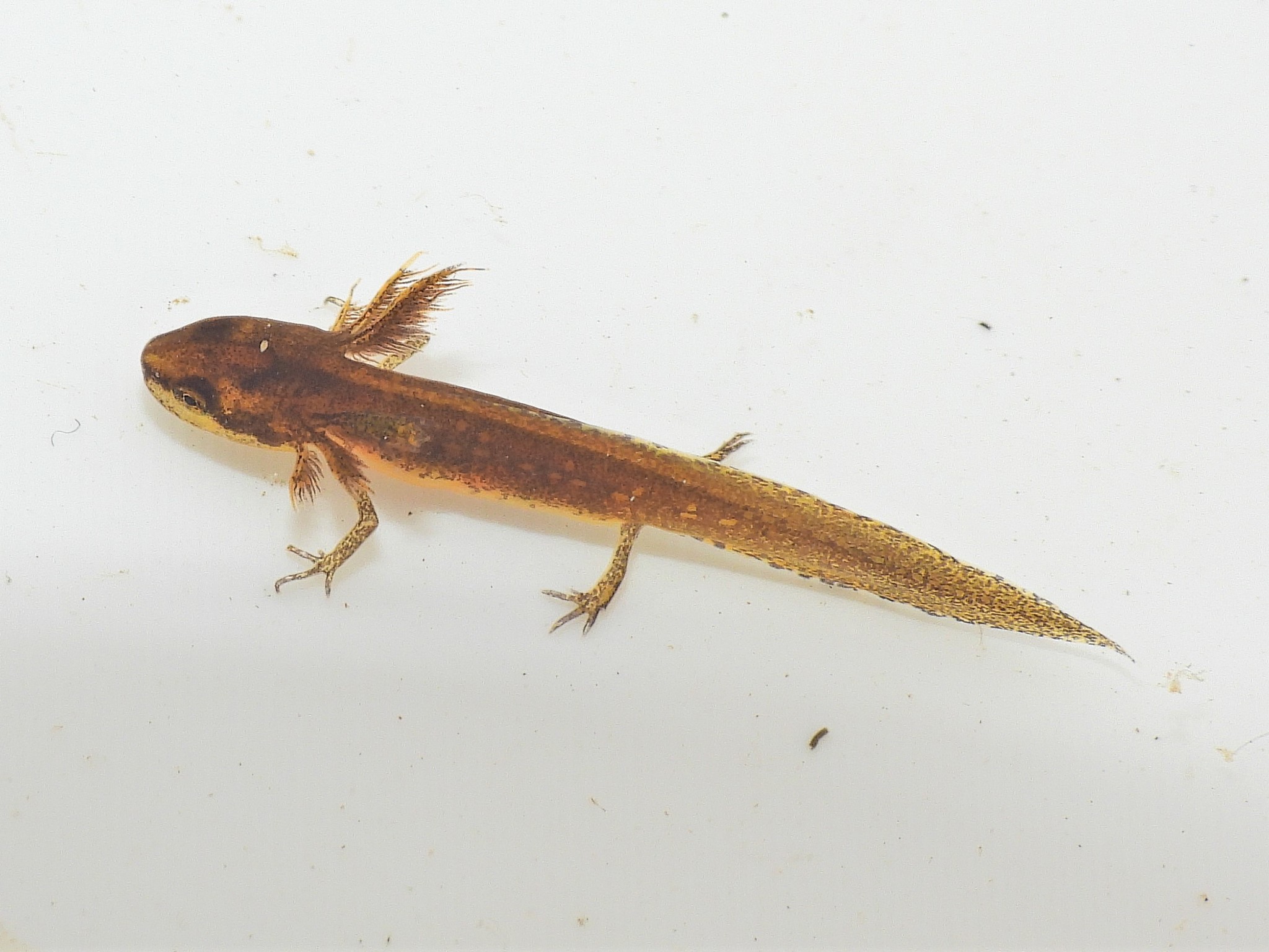
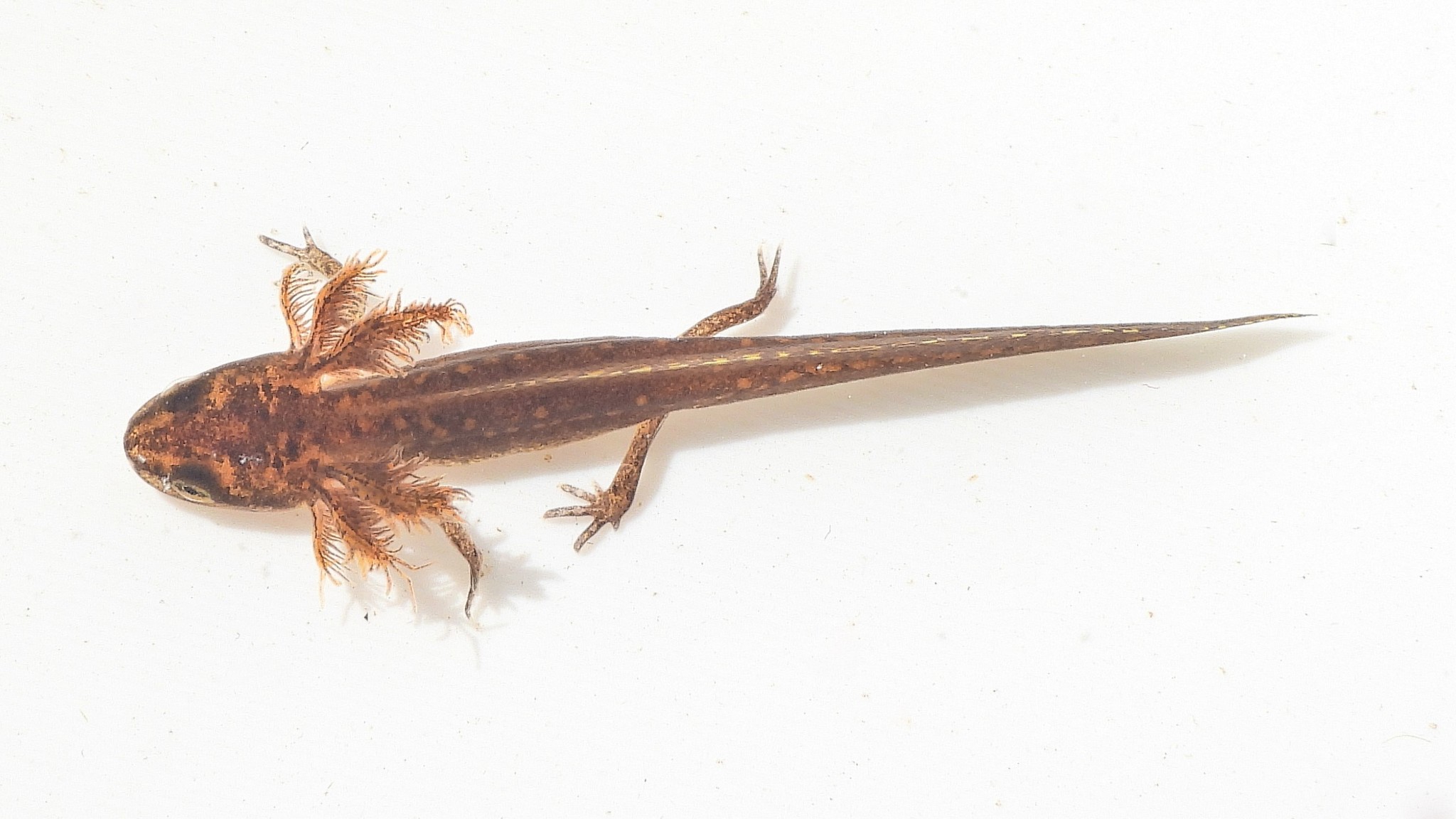
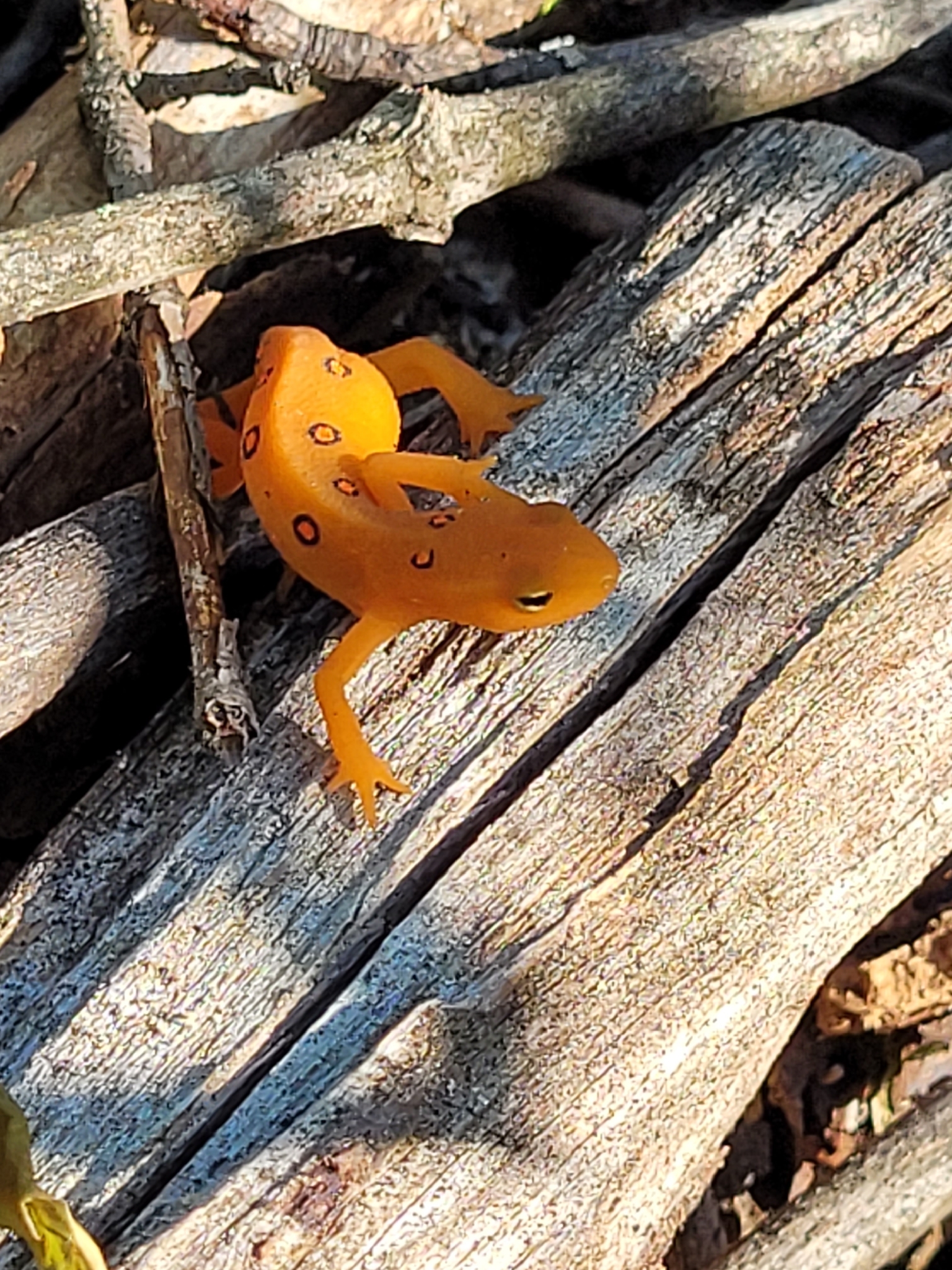
Eastern Newt (Notophthalmus viridescens) is a common aquatic salamander with an interesting life cycle. The adults are fully aquatic, and breed in many types of ponds, lakes, ditches or marshes with good water quality. Eggs are fertilized in spring, and hatch several weeks later into aquatic, gilled larvae, which develop for about three months. After this point, they undergo metamorphosis and emerge on land as a terrestrial juvenile form, the red eft. They usually remain in the eft stage for one to three years, before changing into the aquatic adult form. This is one of the most complex life cycles in salamanders (Conant & Collins, 1998; Maryland DNR site; Virginia Herpetological Society site). Red-spotted Newt is found throughout most of Maryland, but probably more rare on the eastern shore, where there are four counties without records.
Seasonality Summary
No filters.
Synonyms
Eastern Red-spotted Newt
Notophthalmus viridescens viridescens
Red Eft
Red-spotted Newt
Citations
No citations linked for this taxon yet.
Wikipedia
Open source pageOpen tab to load Wikipedia content.