Map Snapshot


2 Records
Status
Citations
No citations linked for this taxon yet.
Source: Wikipedia
| Anopheles quadrimaculatus | |
|---|---|

| |
Scientific classification 
| |
| Kingdom: | Animalia |
| Phylum: | Arthropoda |
| Clade: | Pancrustacea |
| Class: | Insecta |
| Order: | Diptera |
| Family: | Culicidae |
| Genus: | Anopheles |
| Subgenus: | Anopheles |
| Species: | A. quadrimaculatus
|
| Binomial name | |
| Anopheles quadrimaculatus Say, 1824
| |
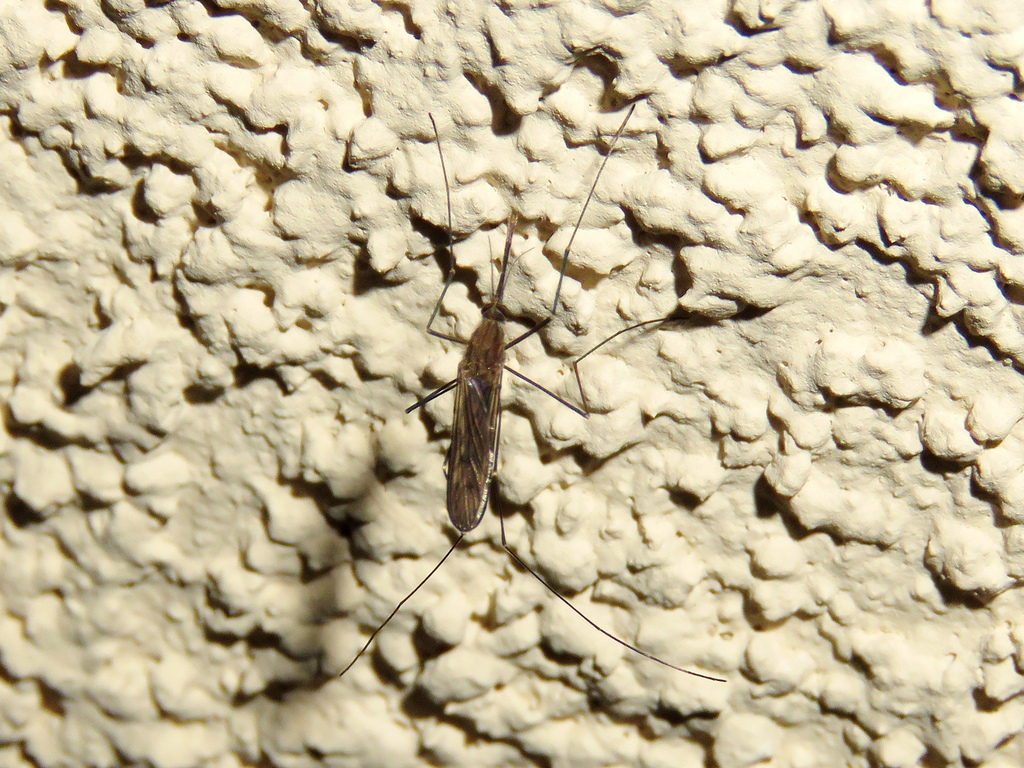
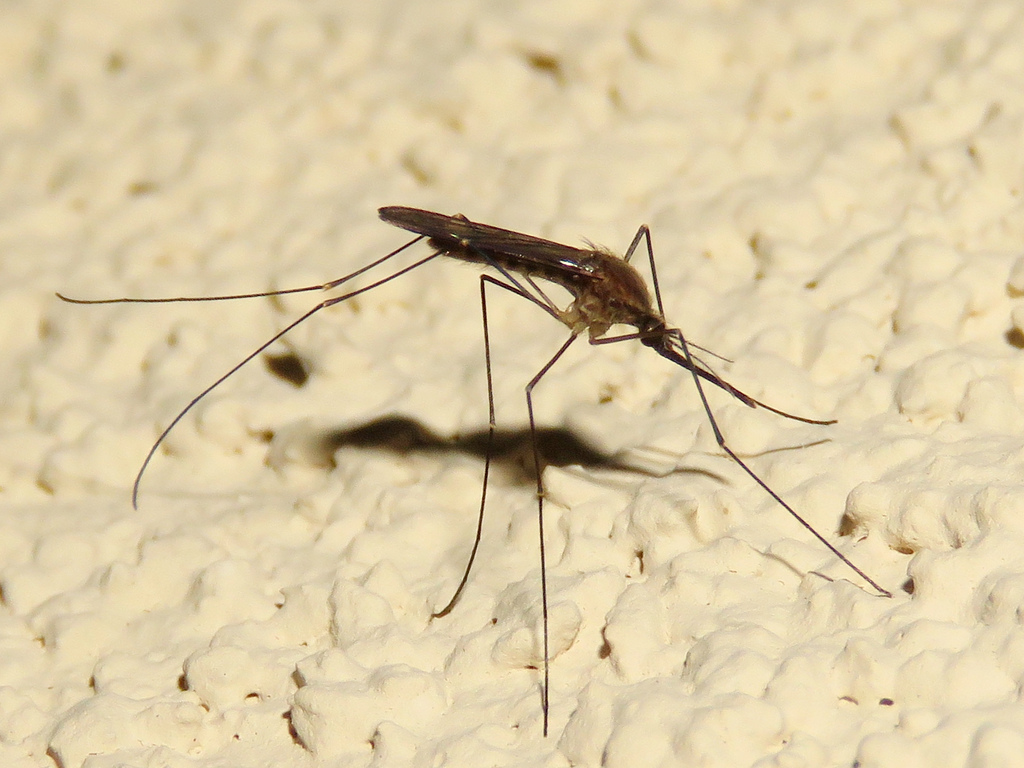
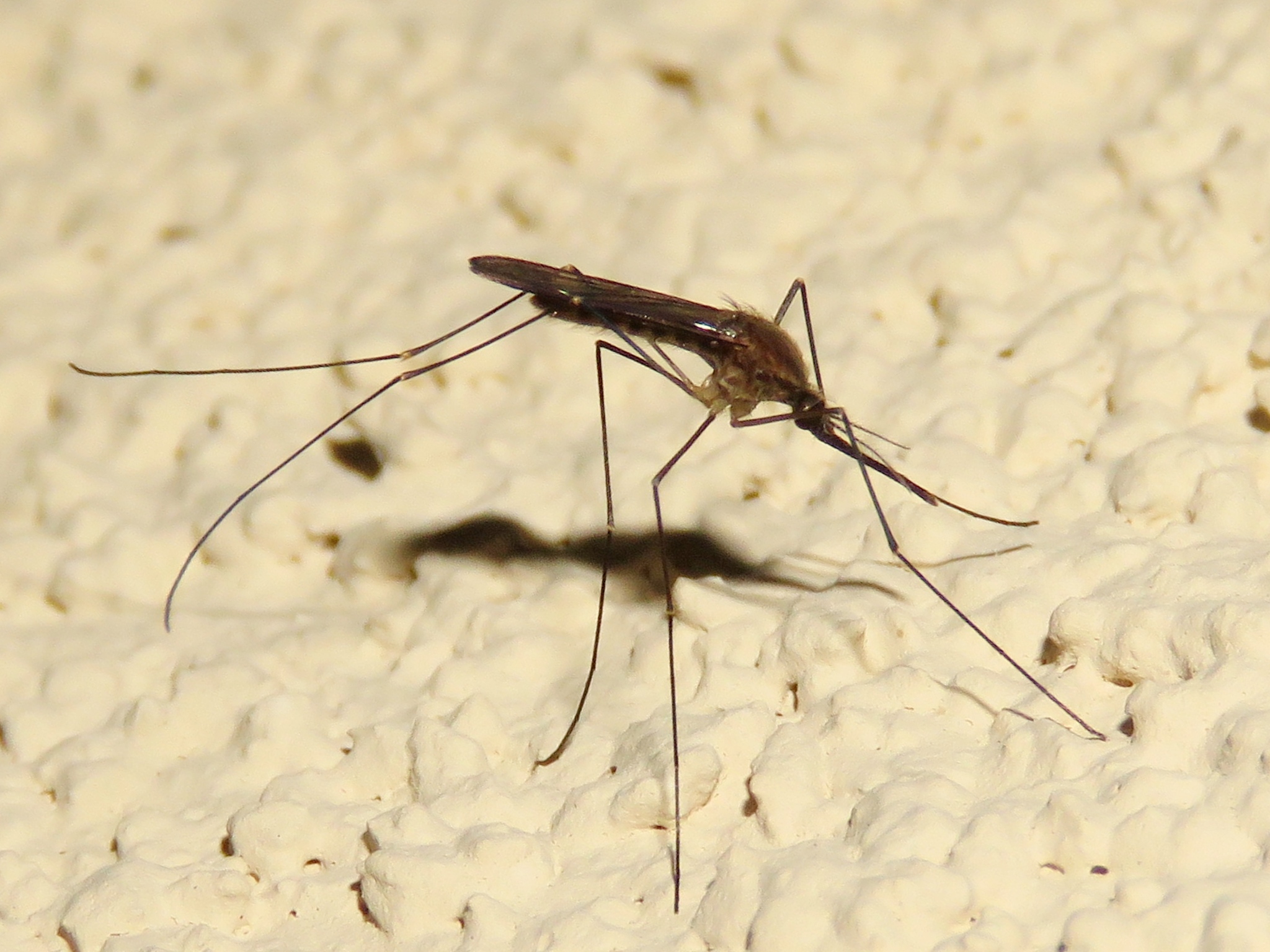
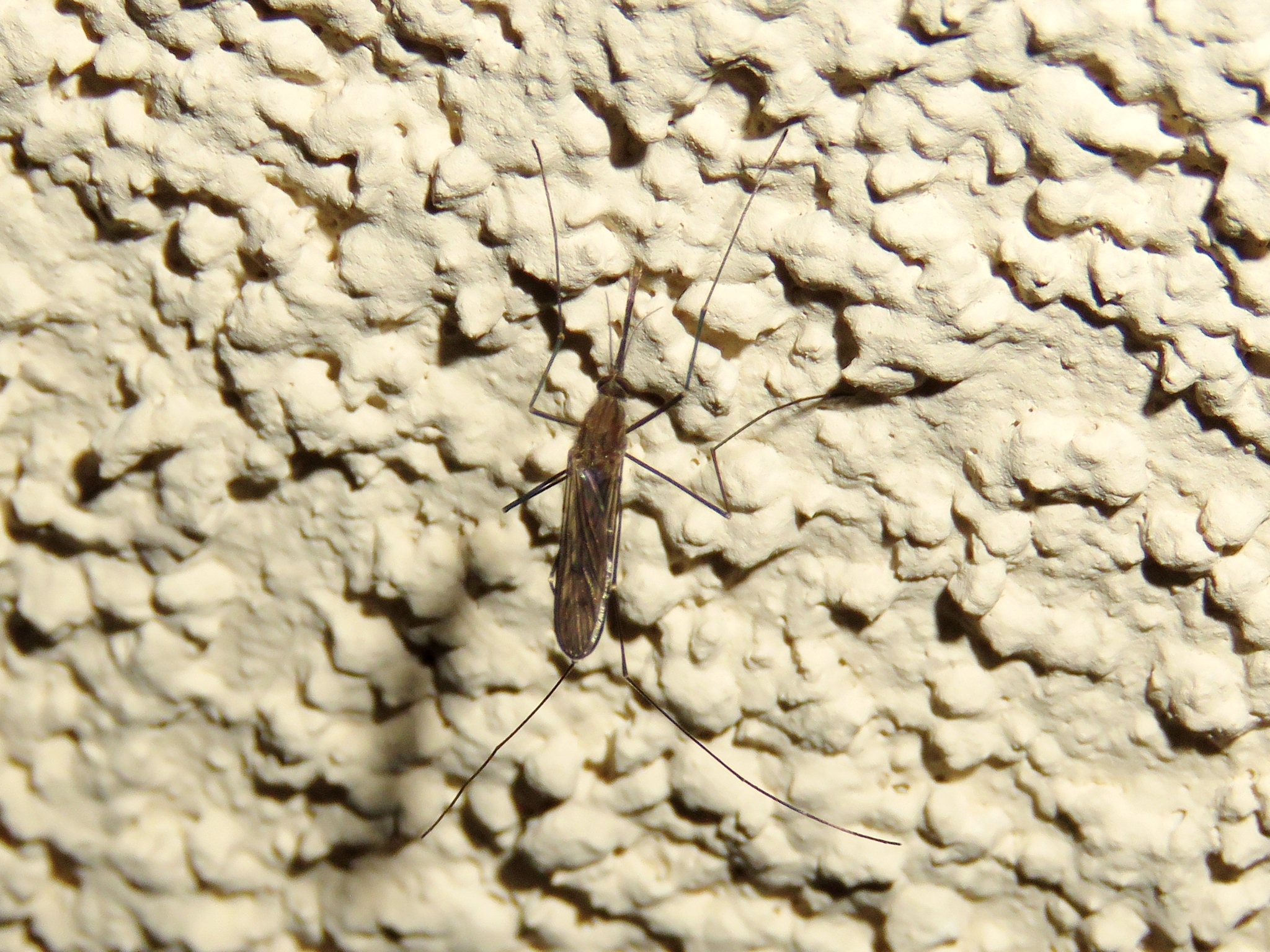
Anopheles quadrimaculatus, also known as the common malaria mosquito,[citation needed] is a species of mosquito mainly found in the eastern United States. The species is a main vector of malaria.[1]
Distribution
[edit]The common malaria mosquito is common across the southeastern United States, especially along the coast of the Gulf of Mexico.[2]
Life cycle
[edit]Mosquitoes lay their eggs on still bodies of freshwater, where they float on the surface. Larvae take 2 to 3 days to hatch; these larvae lack breathing siphons, and so they rest parallel to the surface to breathe. The larvae take between 5 days and 2 weeks to mature depending on the environmental conditions. Adult mosquitoes typically live for approximately 2 weeks.[3]
References
[edit]- ^ "Anopheles quadrimaculatus Say, 1824 | Walter Reed Biosystematics Unit (WRBU)". www.wrbu.si.edu. Retrieved 2023-07-14.
- ^ "Exploring Malaria-Carrying Mosquitoes". www.wrbu.si.edu. Retrieved February 19, 2026.
- ^ "Exploring Malaria-Carrying Mosquitoes". www.wrbu.si.edu. Retrieved February 19, 2026.
| National | |
|---|---|
| Other | |

 | This mosquito article is a stub. You can help Wikipedia by adding missing information. |