Map Snapshot


2 Records
Citations
No citations linked for this taxon yet.
Source: Wikipedia
| Psathyrella corrugis | |
|---|---|

| |
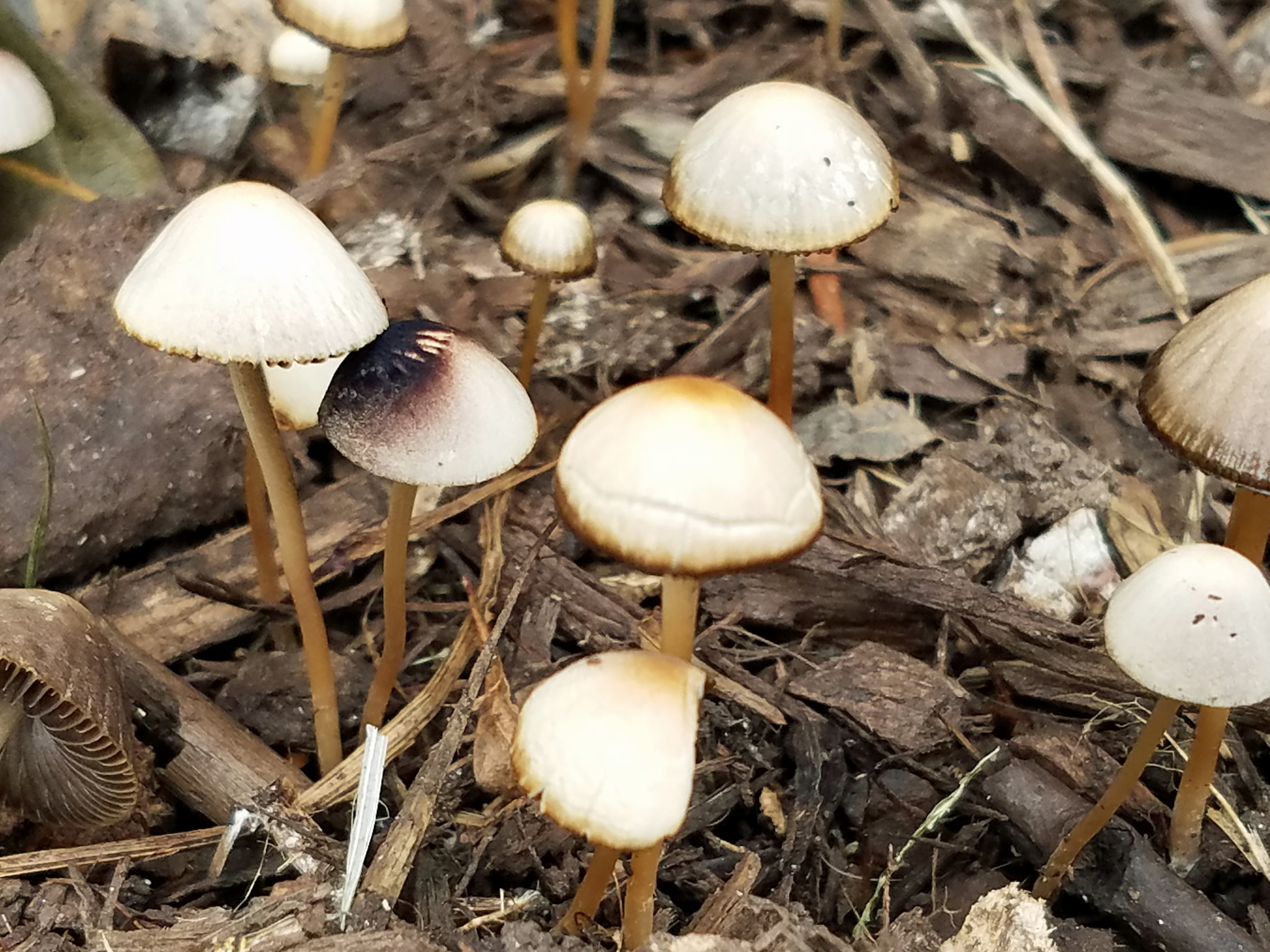
| In Oakland, California | |
Scientific classification 
| |
| Kingdom: | Fungi |
| Division: | Basidiomycota |
| Class: | Agaricomycetes |
| Order: | Agaricales |
| Family: | Psathyrellaceae |
| Genus: | Psathyrella |
| Species: | P. corrugis
|
| Binomial name | |
| Psathyrella corrugis (Pers.) Konrad & Maubl. 1949
| |
| Synonyms | |
| |
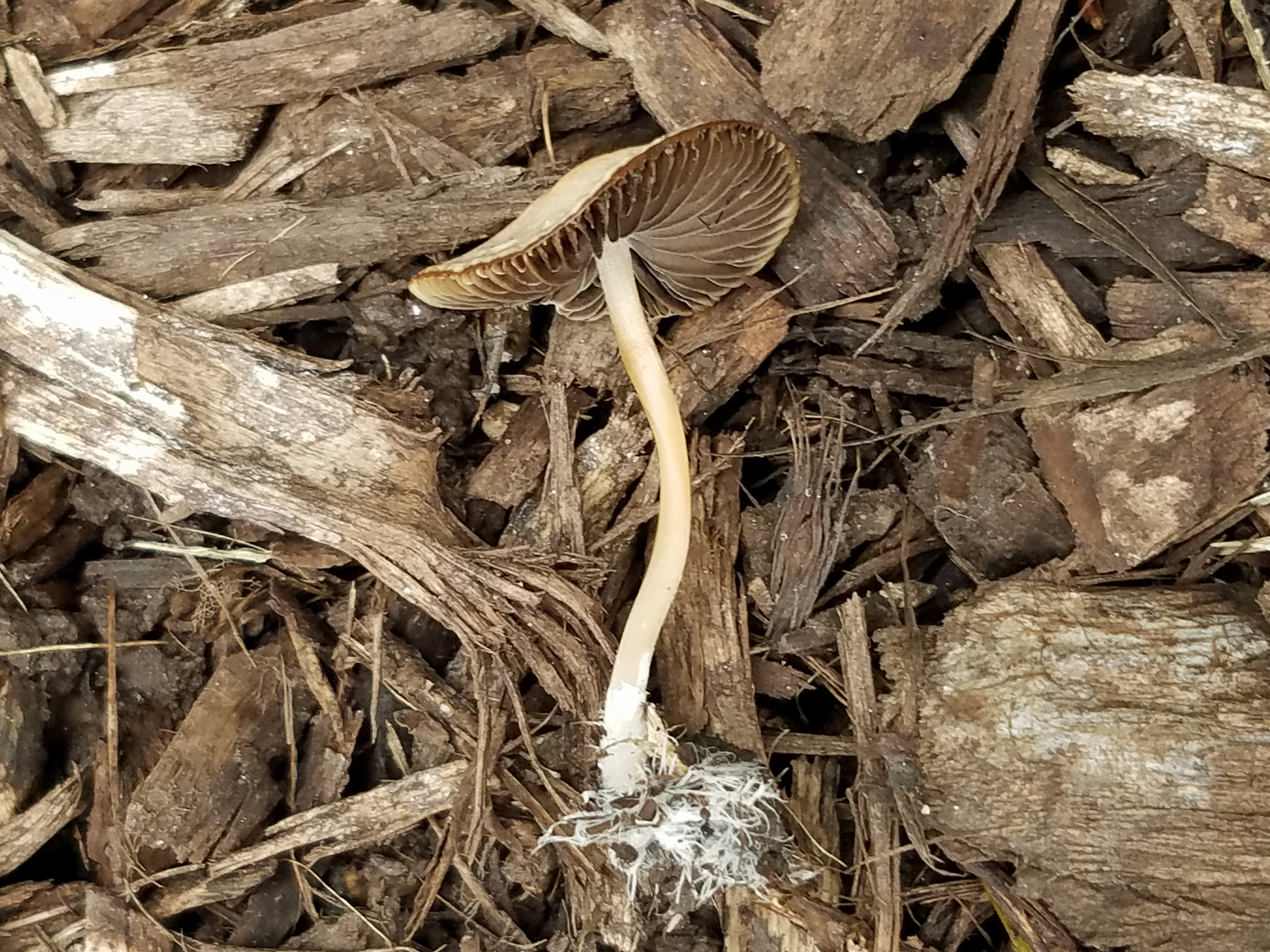
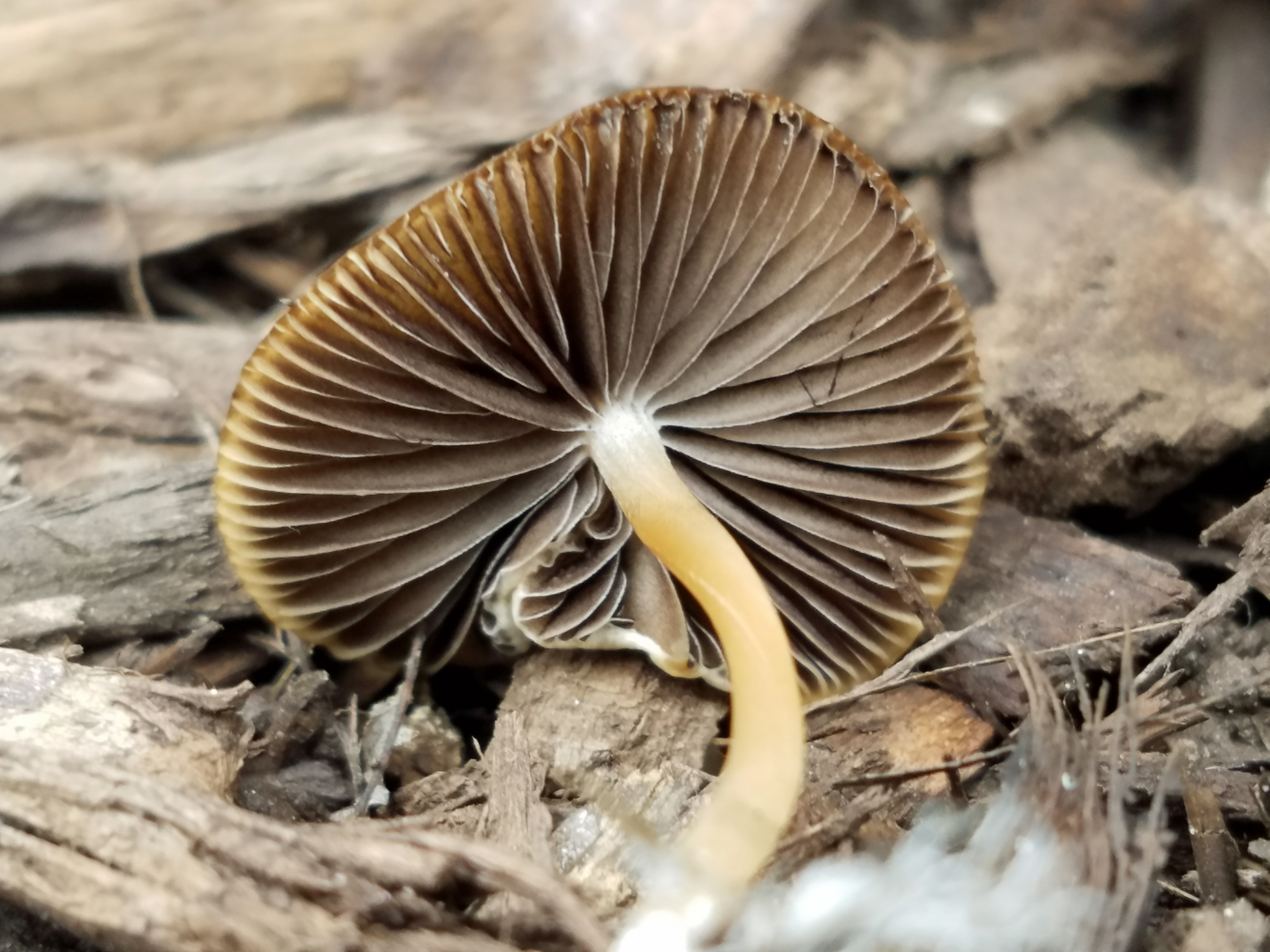
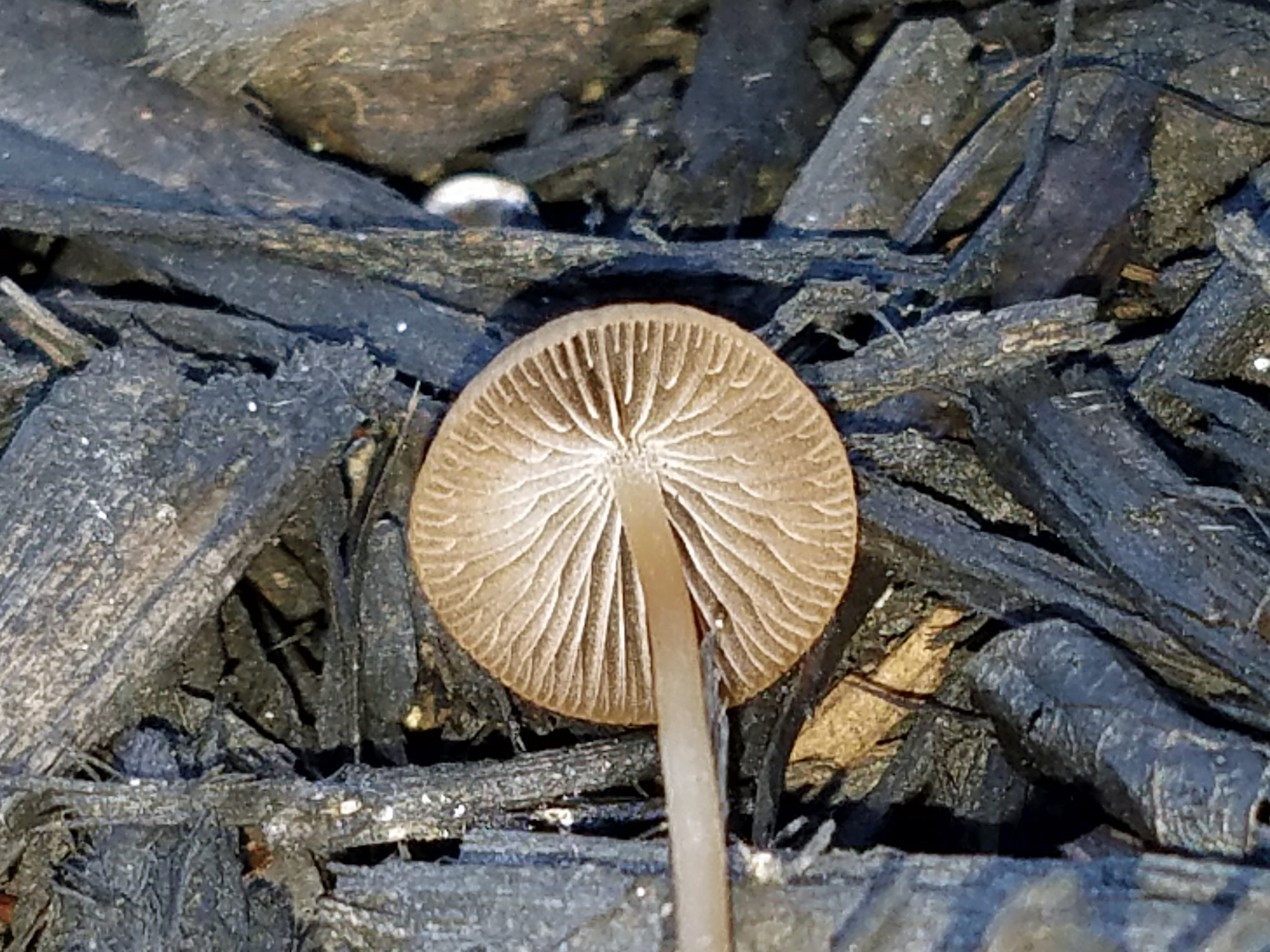
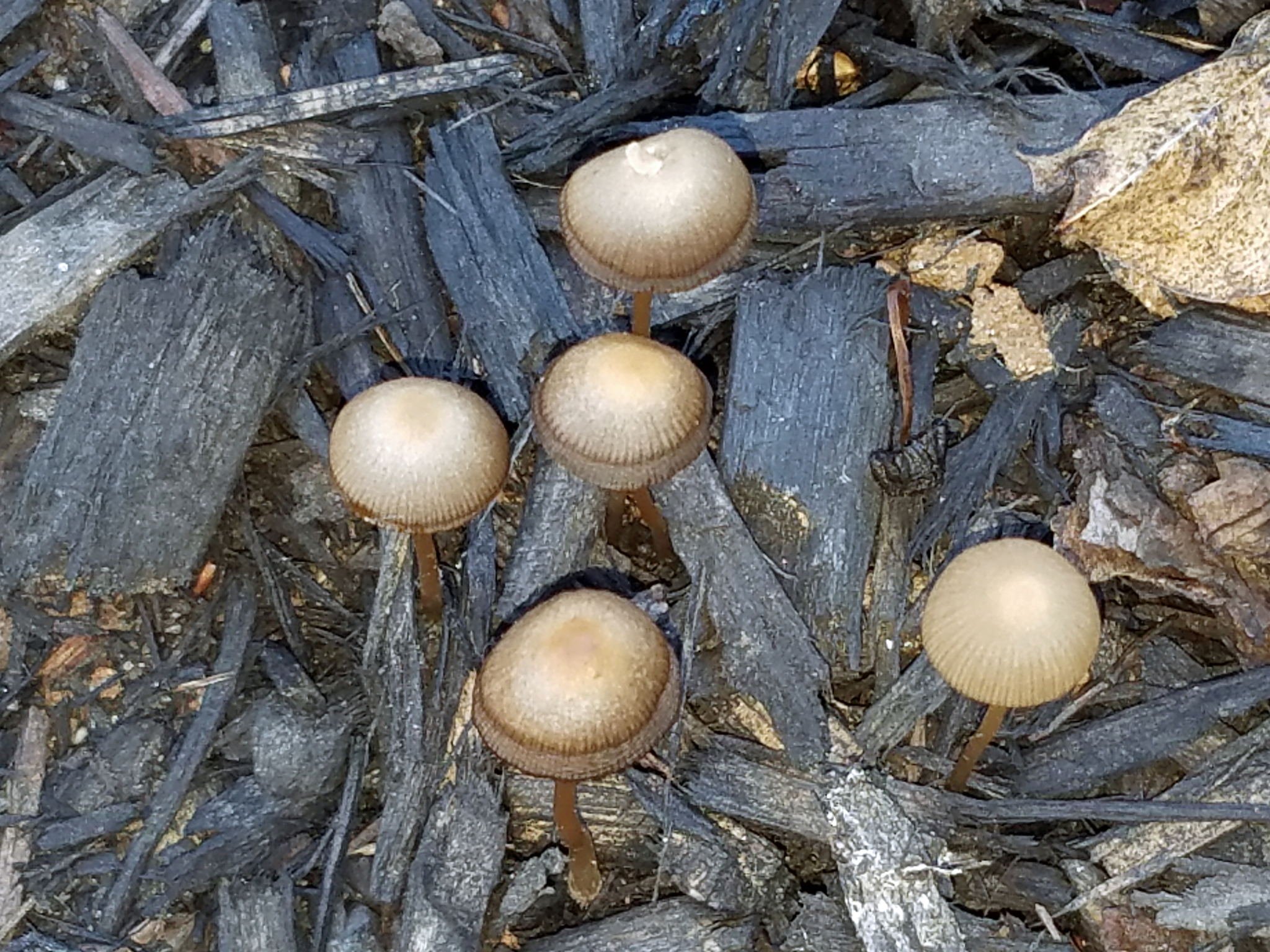
Psathyrella corrugis, is the type species of the basidiomycete fungus genus Psathyrella and family Psathyrellaceae. It is common in North America and is regarded as inedible.
Taxonomy
[edit]It was originally described from Europe as Agaricus corrugis.[1]
The lectotype of Psathyrella is P. gracilis, but naming priority is given to P. corrugis, published in 1794 (27 years earlier than P. gracilis).[2]
Description
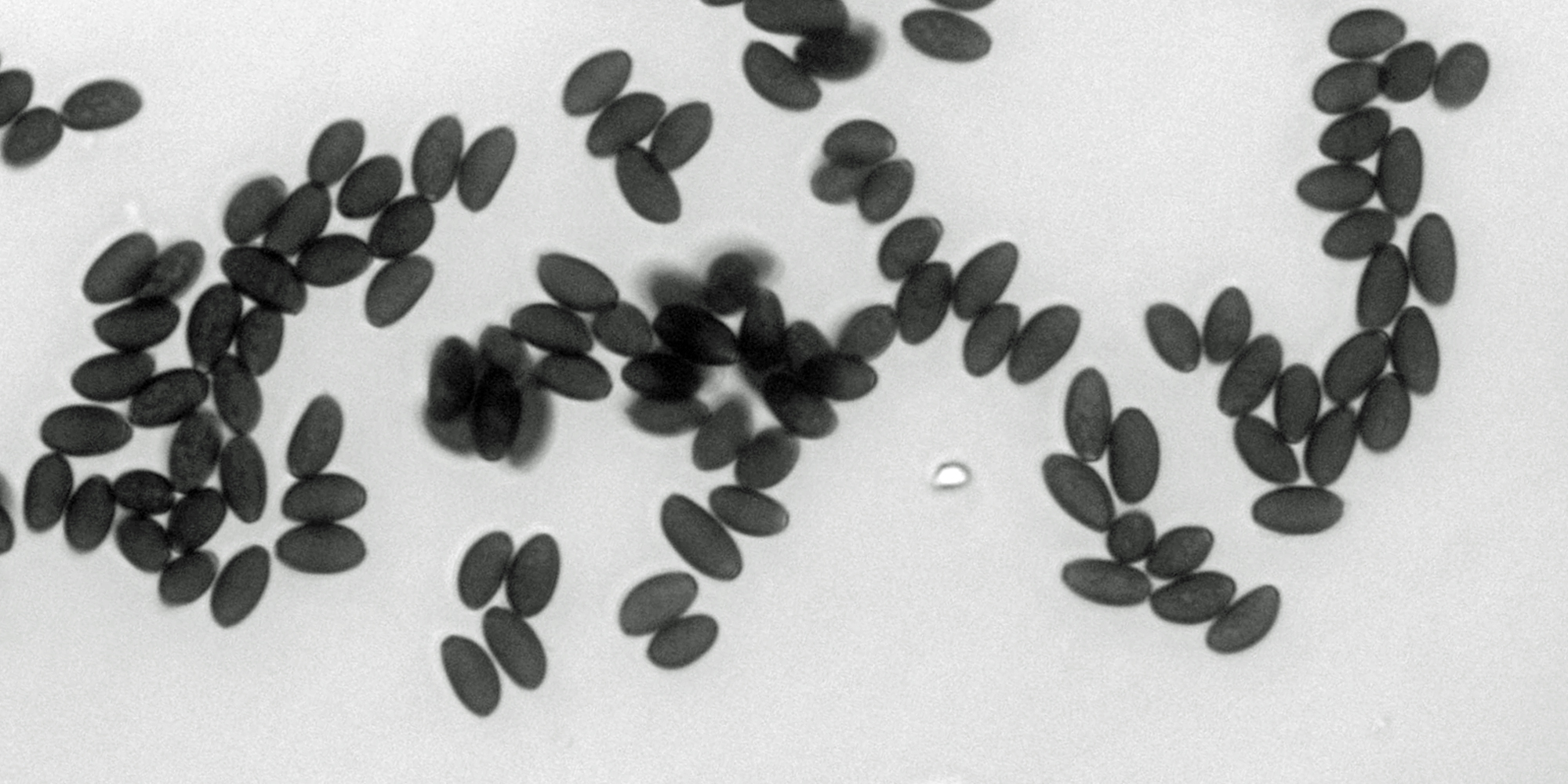
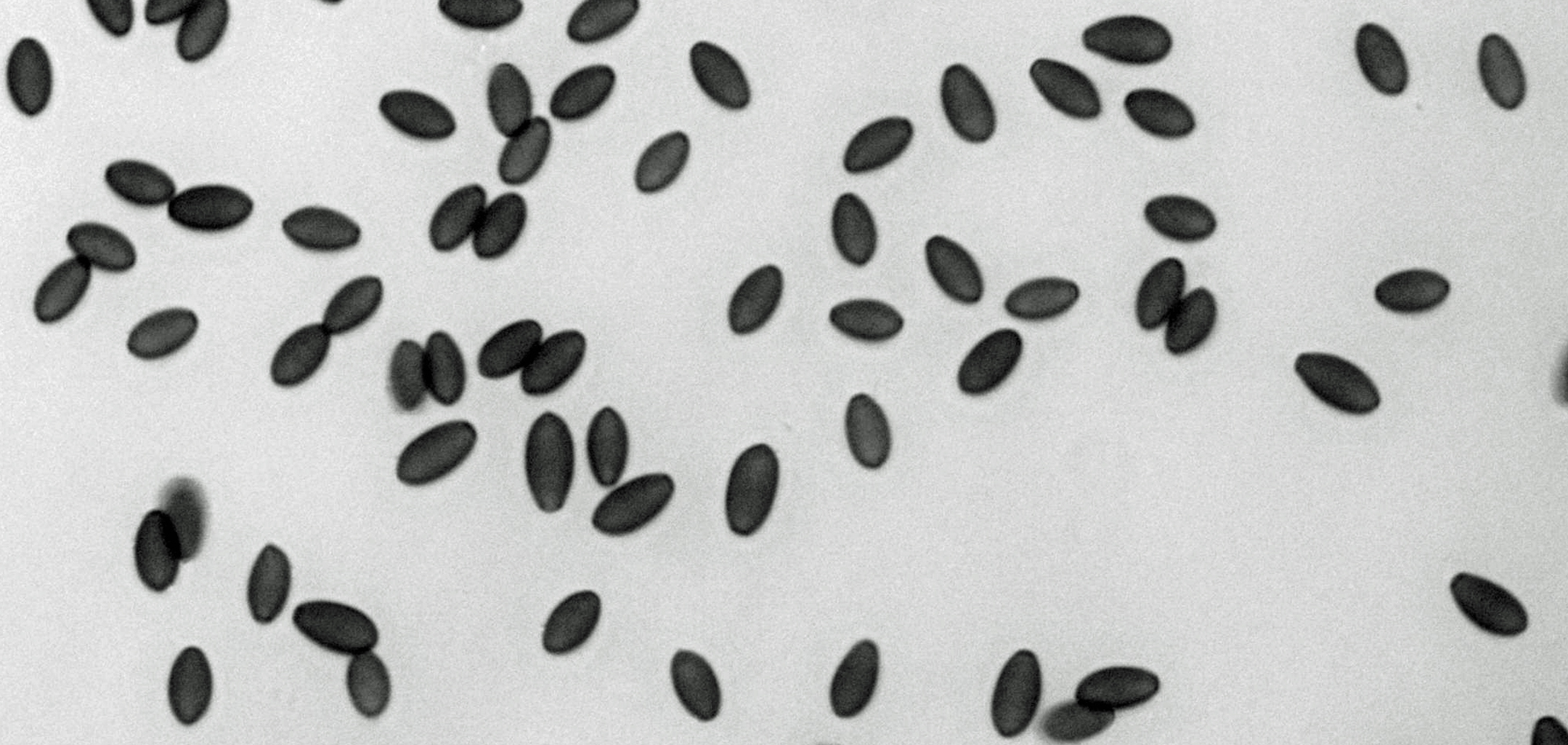
[edit]The cap is 1–4 centimetres (1⁄2–1+1⁄2 in) wide, bell-shaped and translucent when young; it flattens and becomes opaque with age.[3] The gills are slightly reddish.[4] The whitish stalk is 4–12 cm (1+5⁄8–4+3⁄4 in) tall and 1–3 mm wide.[3] The spores are purple-brown, elliptical, and smooth.[3] The spore print is dark brown to black, sometimes with hints of purple.[5]
The species is considered non-toxic but lacking in flesh,[4] flavor and texture. It is inedible.[6]
Similar species
[edit]A similar species is Candolleomyces candolleanus.[3] Microscopy may be needed to distinguish P. corrugis from similar species.[5]
Habitat and distribution
[edit]It can be found growing around areas of dead wood and grass throughout North America.[4][5]
It sometimes fruits with Tubaria furfuracea.[3]
Gallery
[edit]


References
[edit]- ^ Neues Mag. Bot. 1: 104 (1794)
- ^ Index Fungorum Psathyrella corrugis (retrieved 05 January 2020)
- ^ a b c d e Davis, R. Michael; Sommer, Robert; Menge, John A. (2012). Field Guide to Mushrooms of Western North America. Berkeley: University of California Press. pp. 234–235. ISBN 978-0-520-95360-4. OCLC 797915861.
- ^ a b c Trudell, Steve; Ammirati, Joe (2009). Mushrooms of the Pacific Northwest. Timber Press Field Guides. Portland, OR: Timber Press. pp. 202–203. ISBN 978-0-88192-935-5.
- ^ a b c Audubon (2023). Mushrooms of North America. Knopf. p. 608. ISBN 978-0-593-31998-7.
- ^ Miller Jr., Orson K.; Miller, Hope H. (2006). North American Mushrooms: A Field Guide to Edible and Inedible Fungi. Guilford, CN: FalconGuide. p. 238. ISBN 978-0-7627-3109-1.
External links
[edit]| Psathyrella corrugis | |
|---|---|
| Mycological characteristics | |
 | Gills on hymenium |

 | Cap is conical or campanulate |

 | Hymenium is adnate or seceding |
 | Spore print is purple-brown |
 | Edibility is inedible |
 Media related to Psathyrella gracilis at Wikimedia Commons
