



Map Snapshot


131 Records
Status
Description
Citations
No citations linked for this taxon yet.
Source: Wikipedia
 | This article may need to be rewritten to comply with Wikipedia's quality standards. (September 2025) |
| Milesia virginiensis | |
|---|---|

| |
Scientific classification 
| |
| Kingdom: | Animalia |
| Phylum: | Arthropoda |
| Clade: | Pancrustacea |
| Class: | Insecta |
| Order: | Diptera |
| Family: | Syrphidae |
| Subfamily: | Eristalinae |
| Tribe: | Milesiini |
| Subtribe: | Milesiina |
| Genus: | Milesia |
| Species: | M. virginiensis
|
| Binomial name | |
| Milesia virginiensis | |

| |
| Distribution in the United States | |
| Synonyms | |
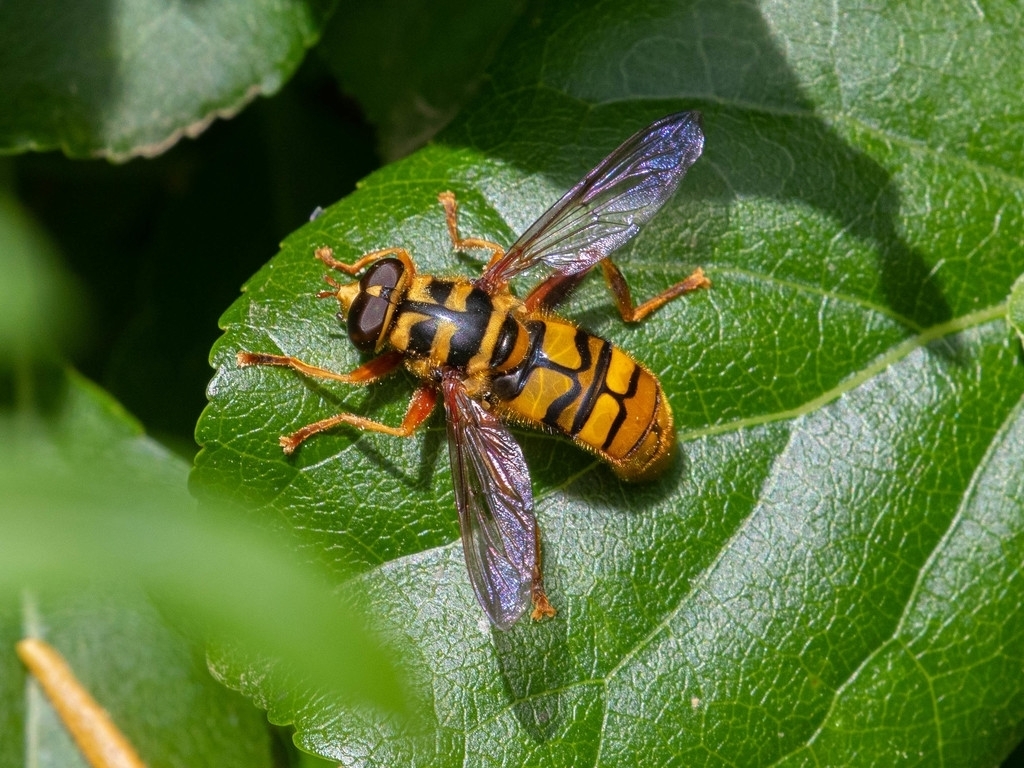
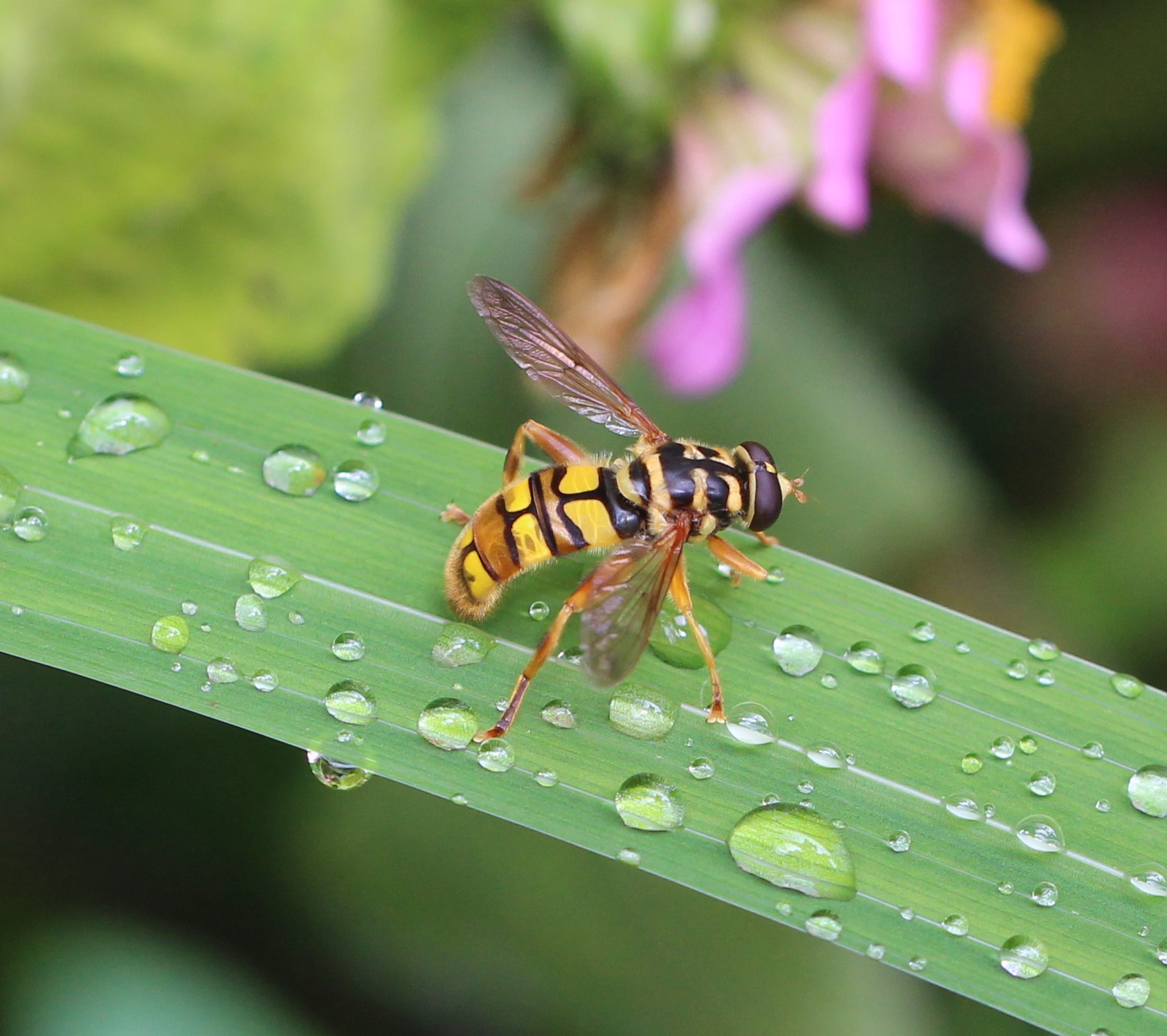
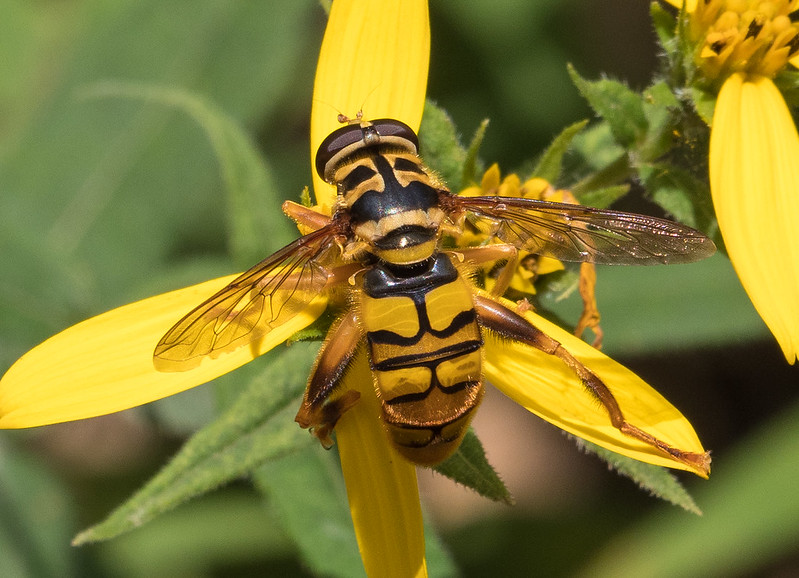
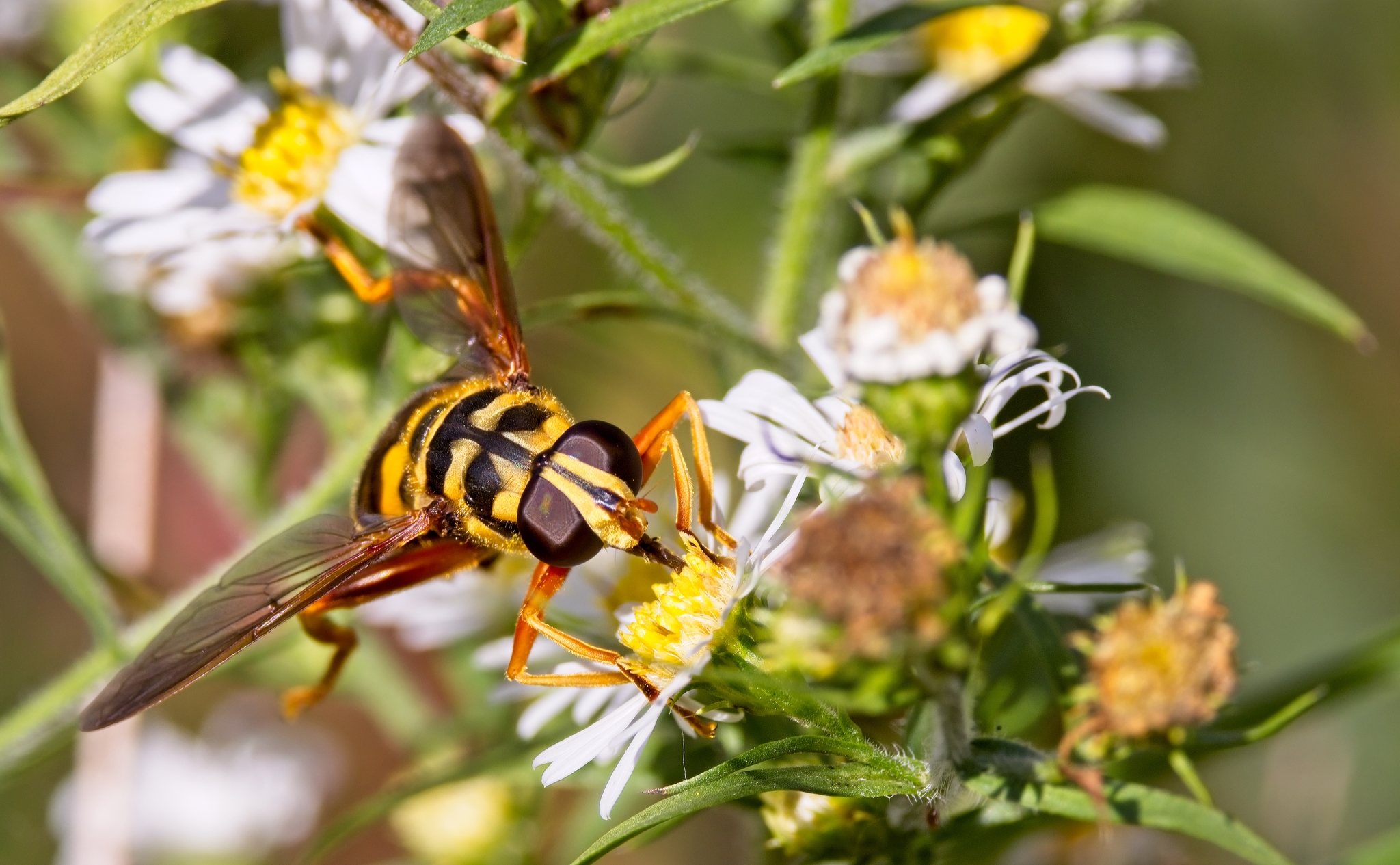
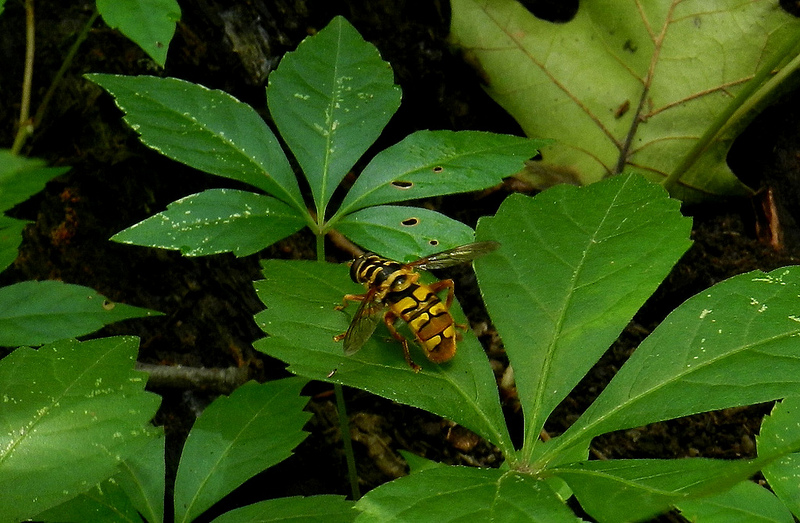
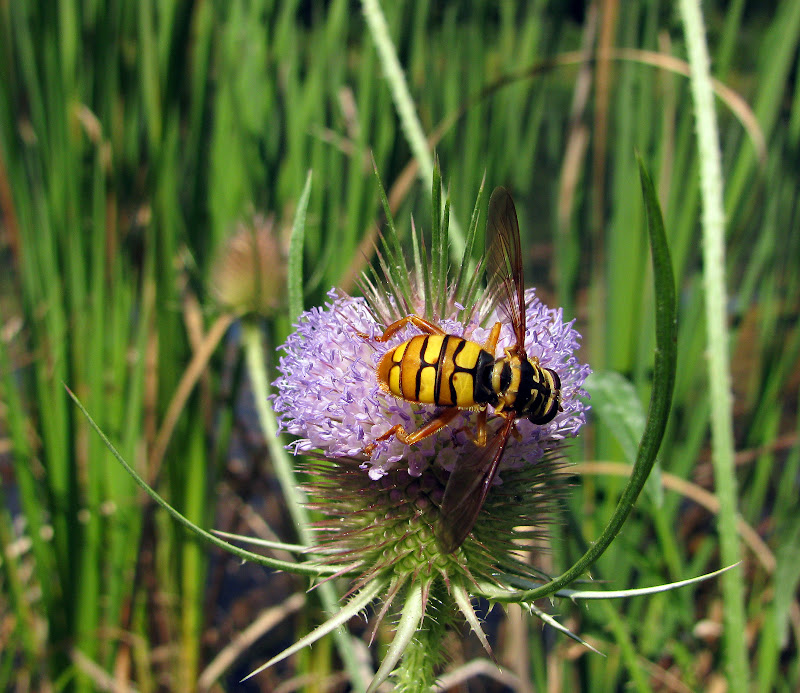
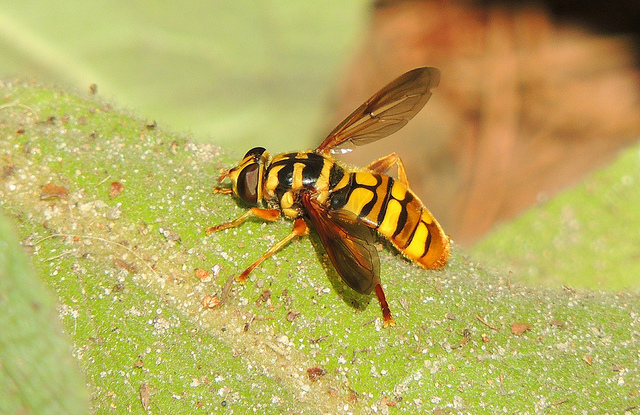
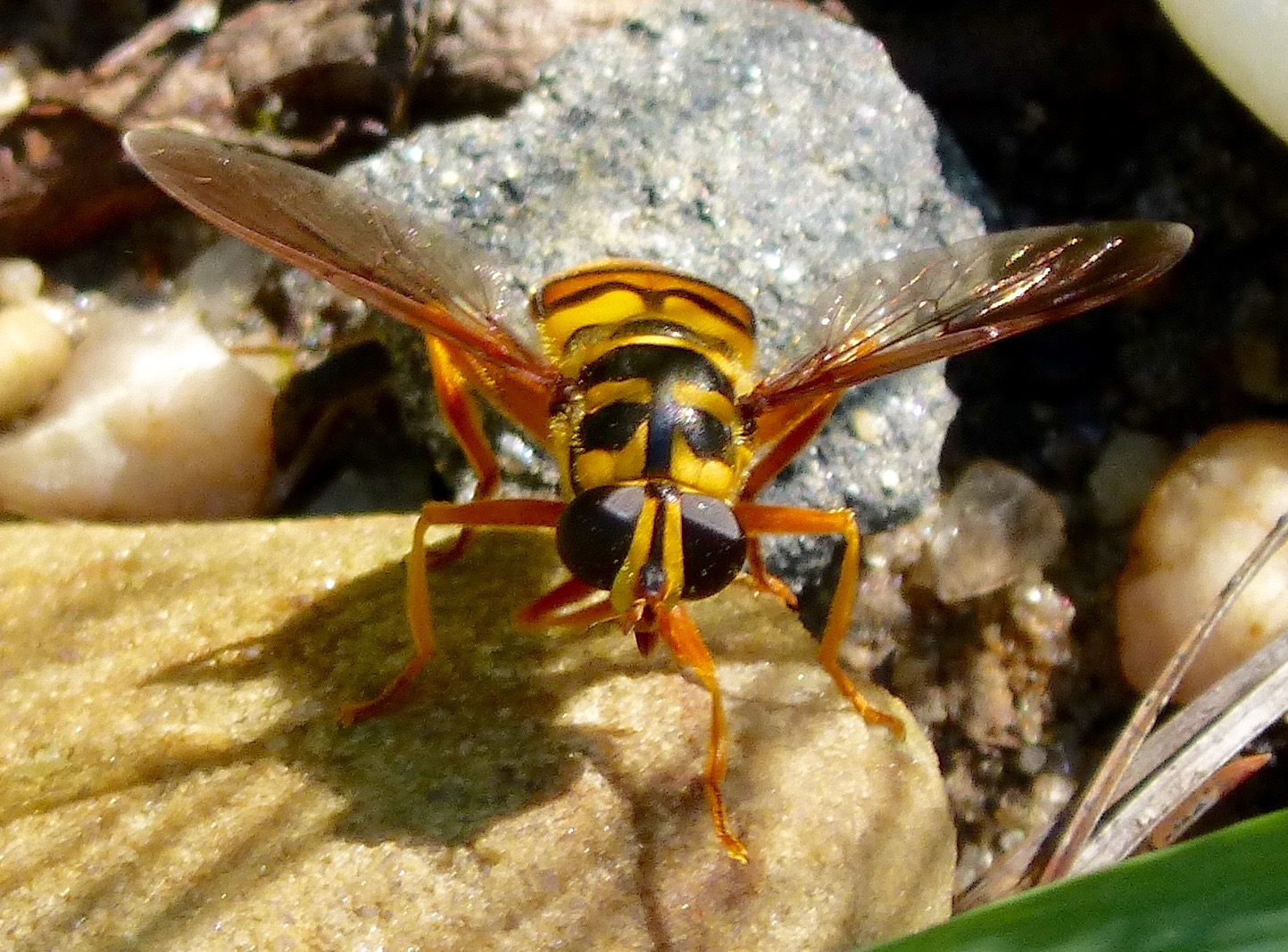
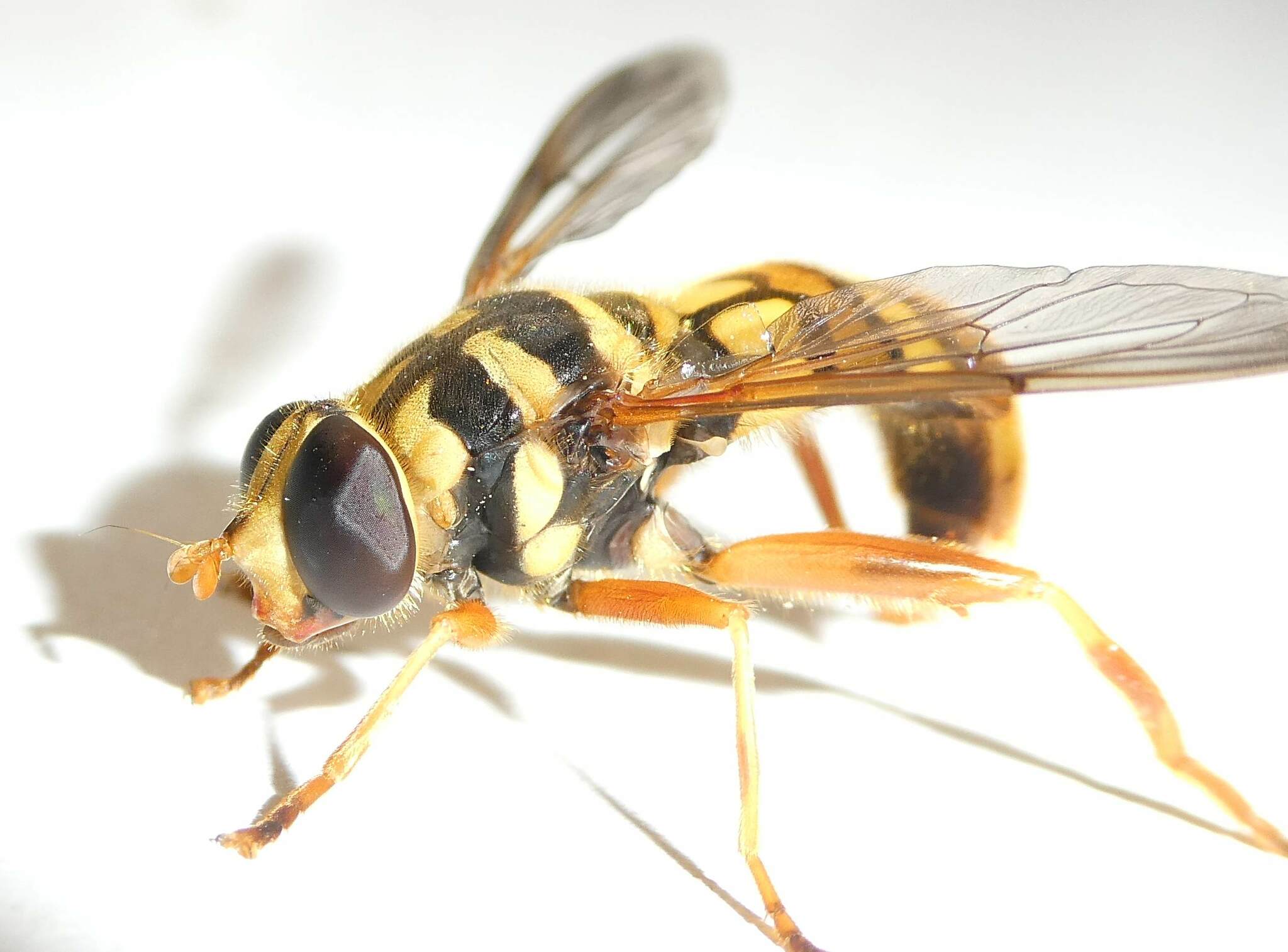
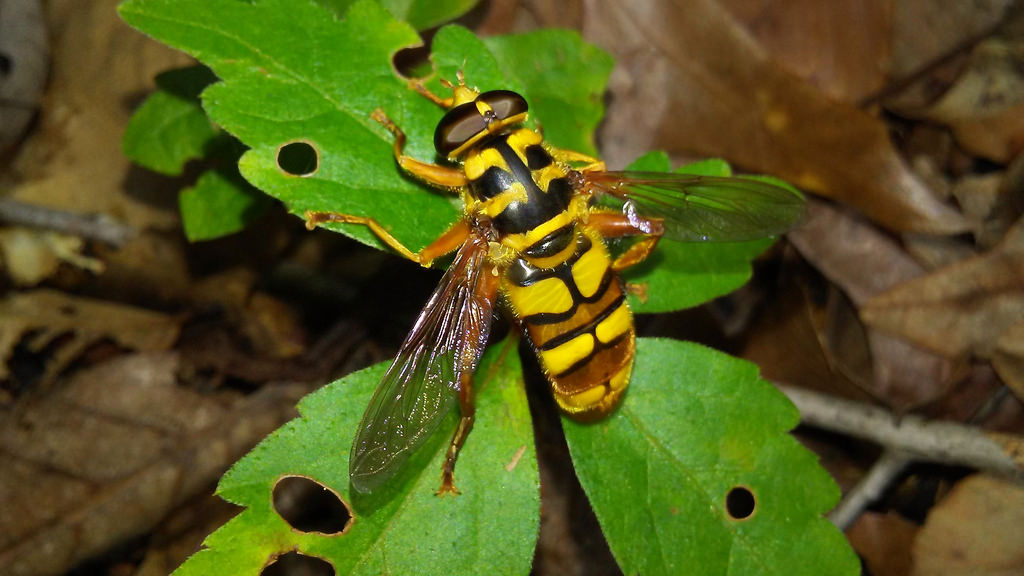
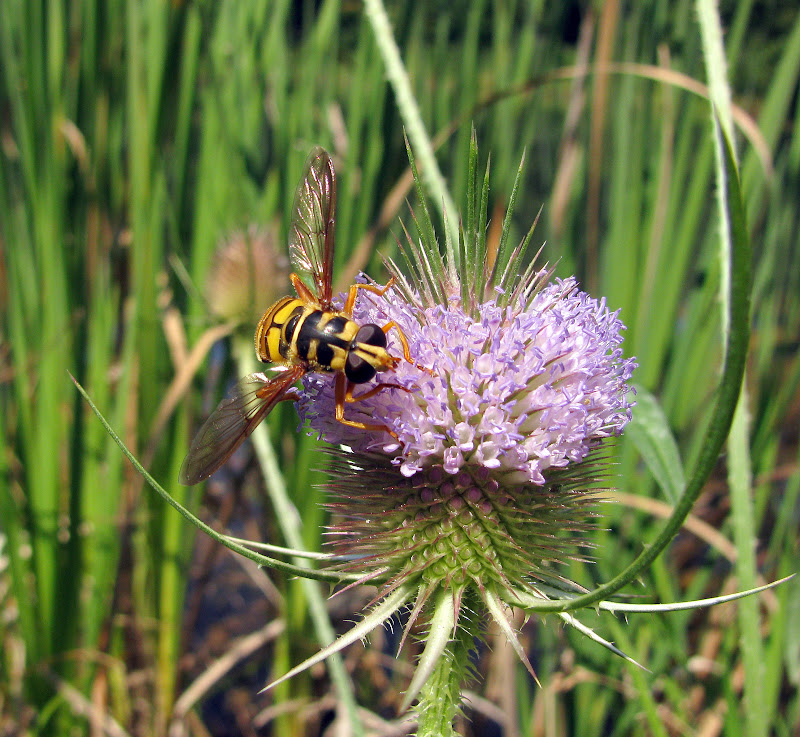
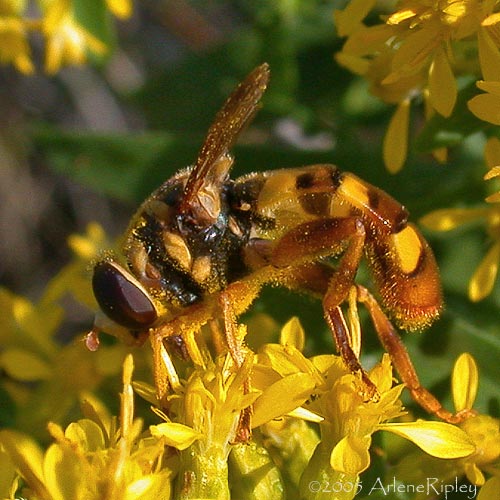
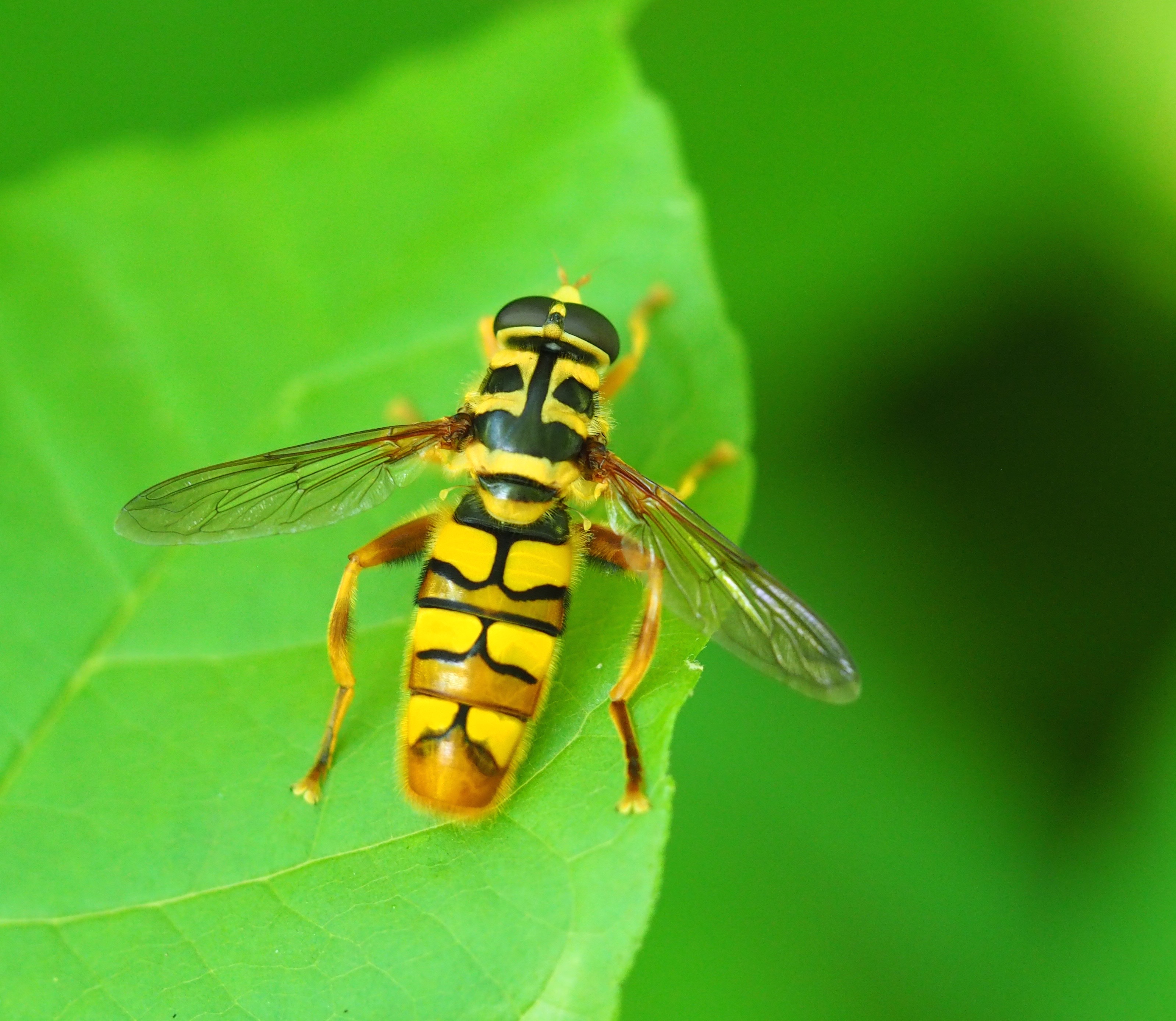
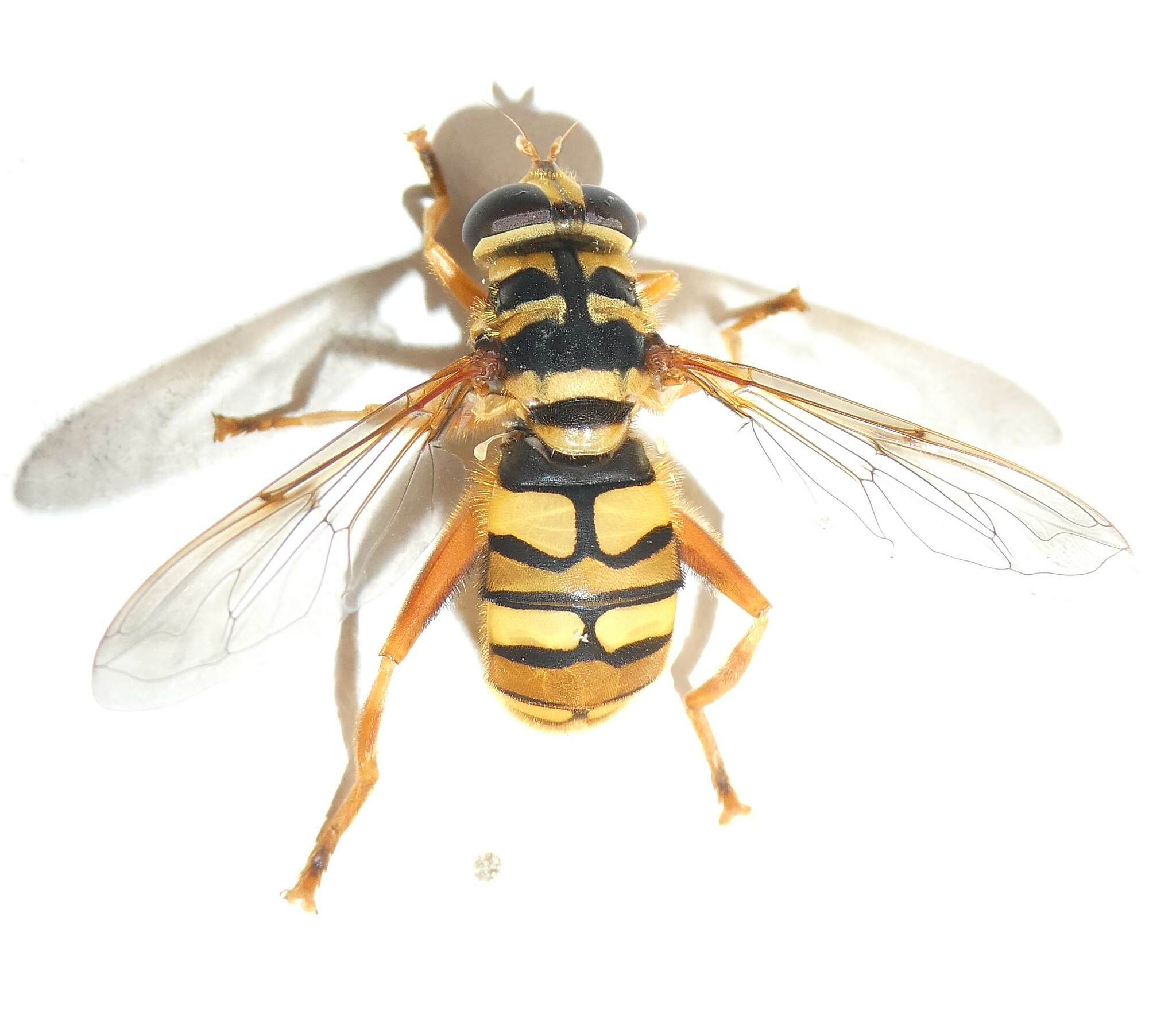
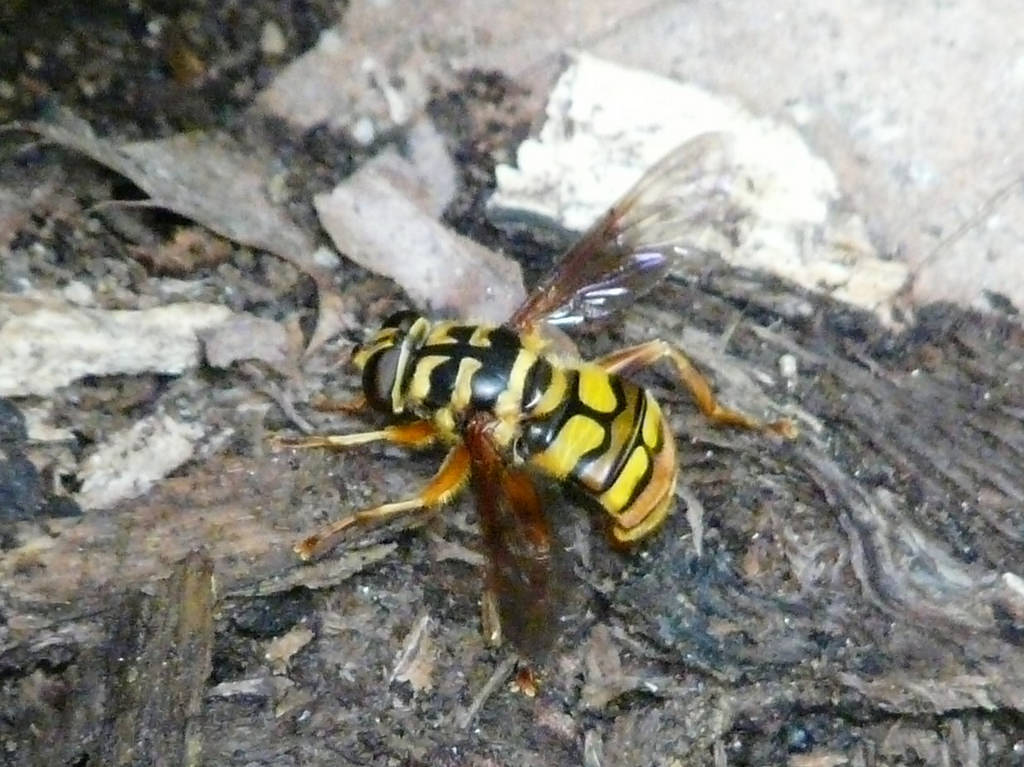
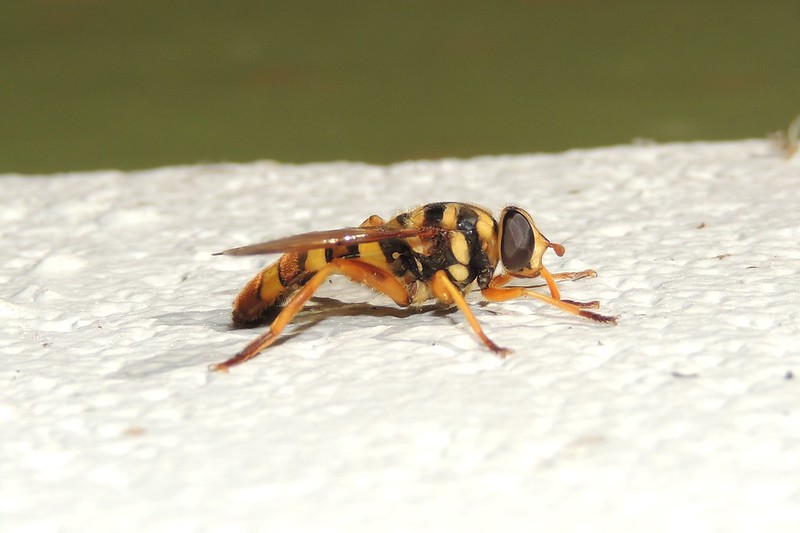
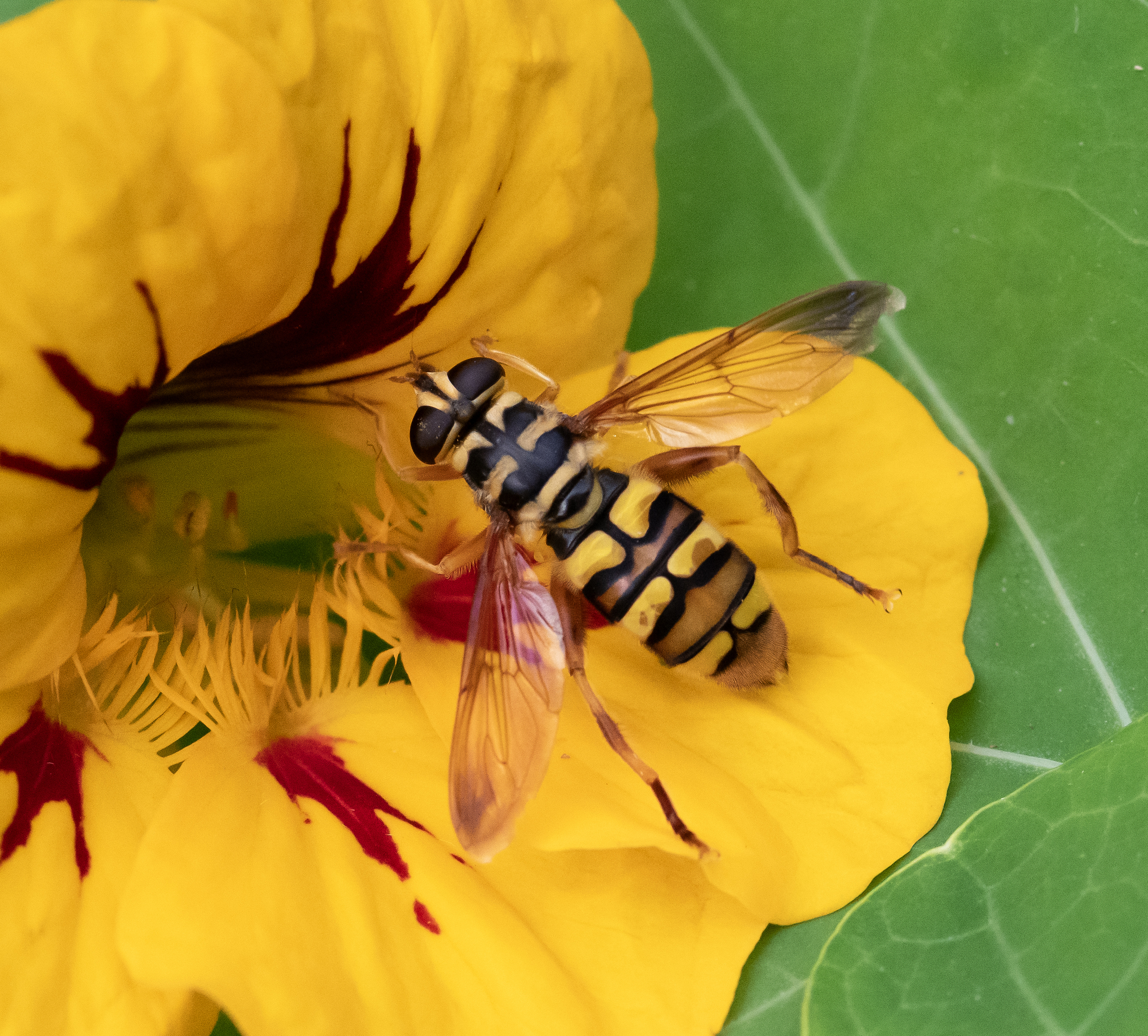
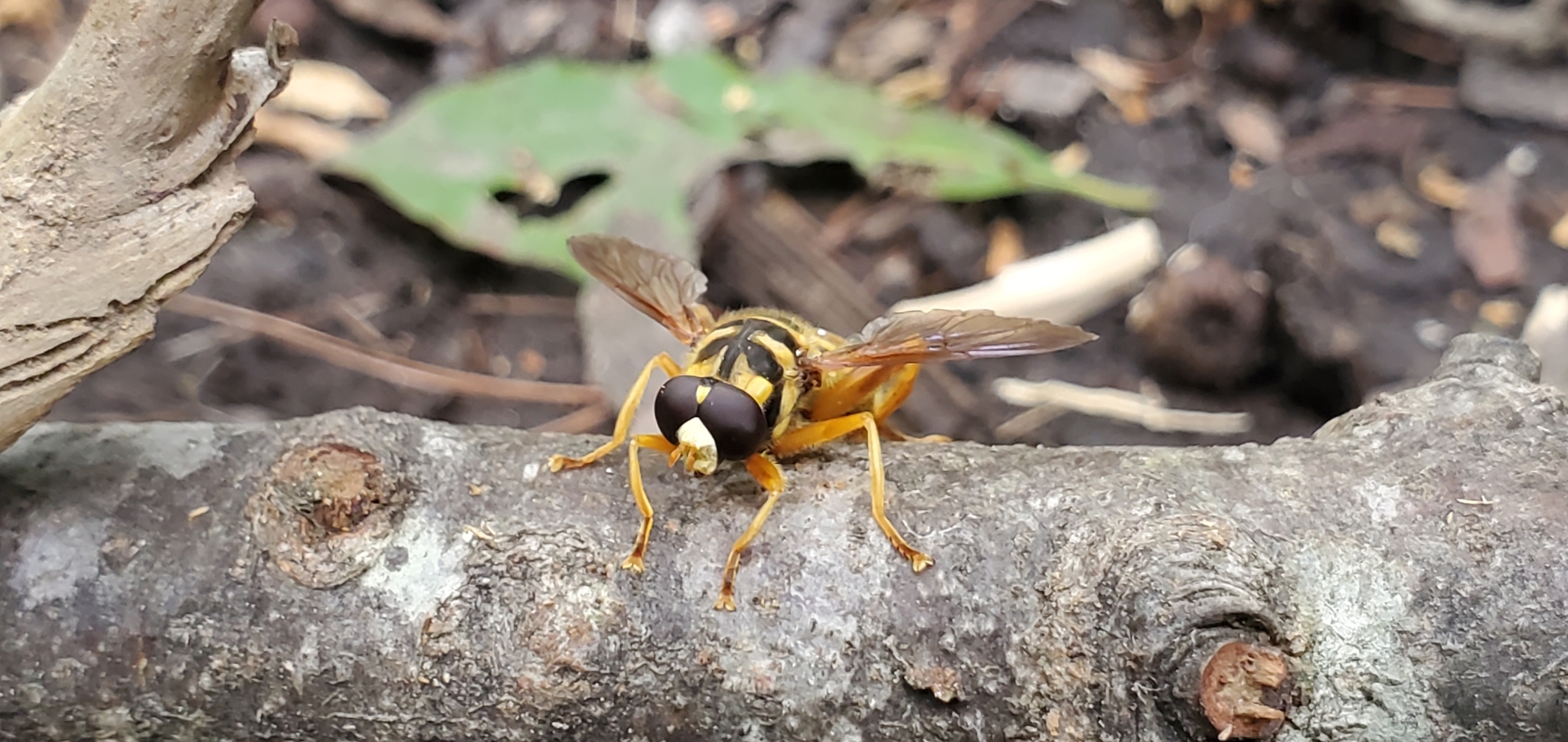
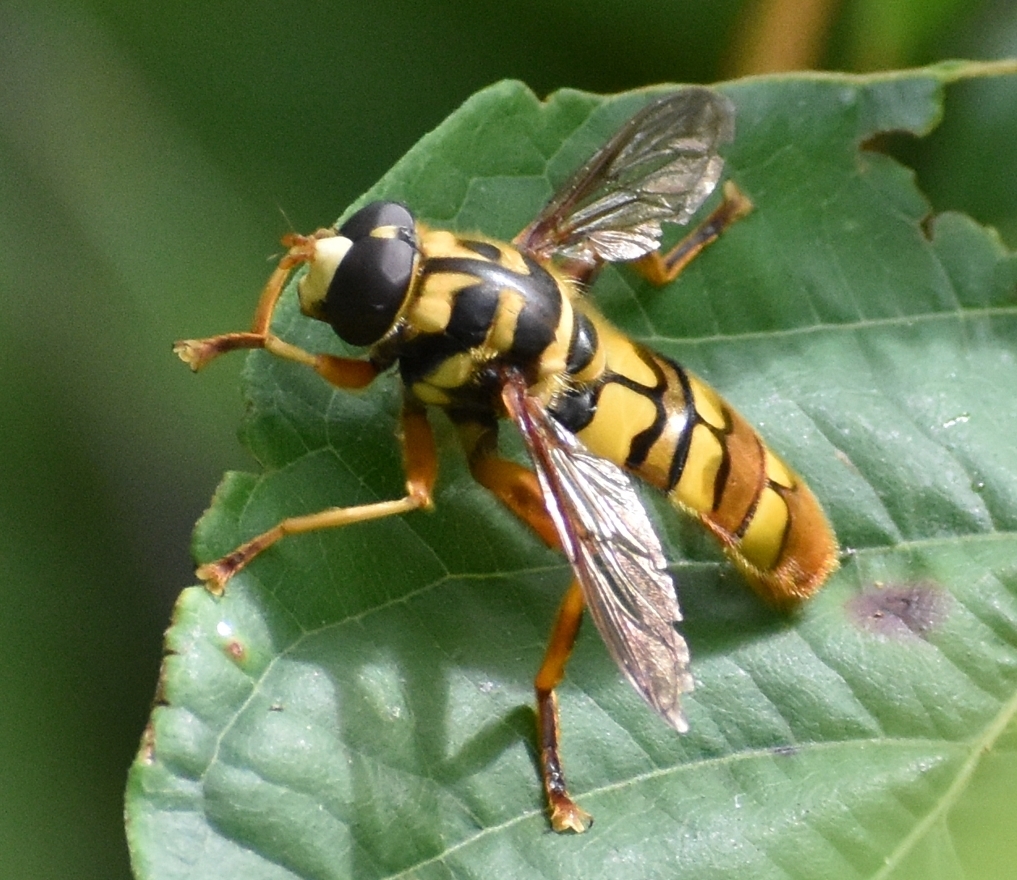
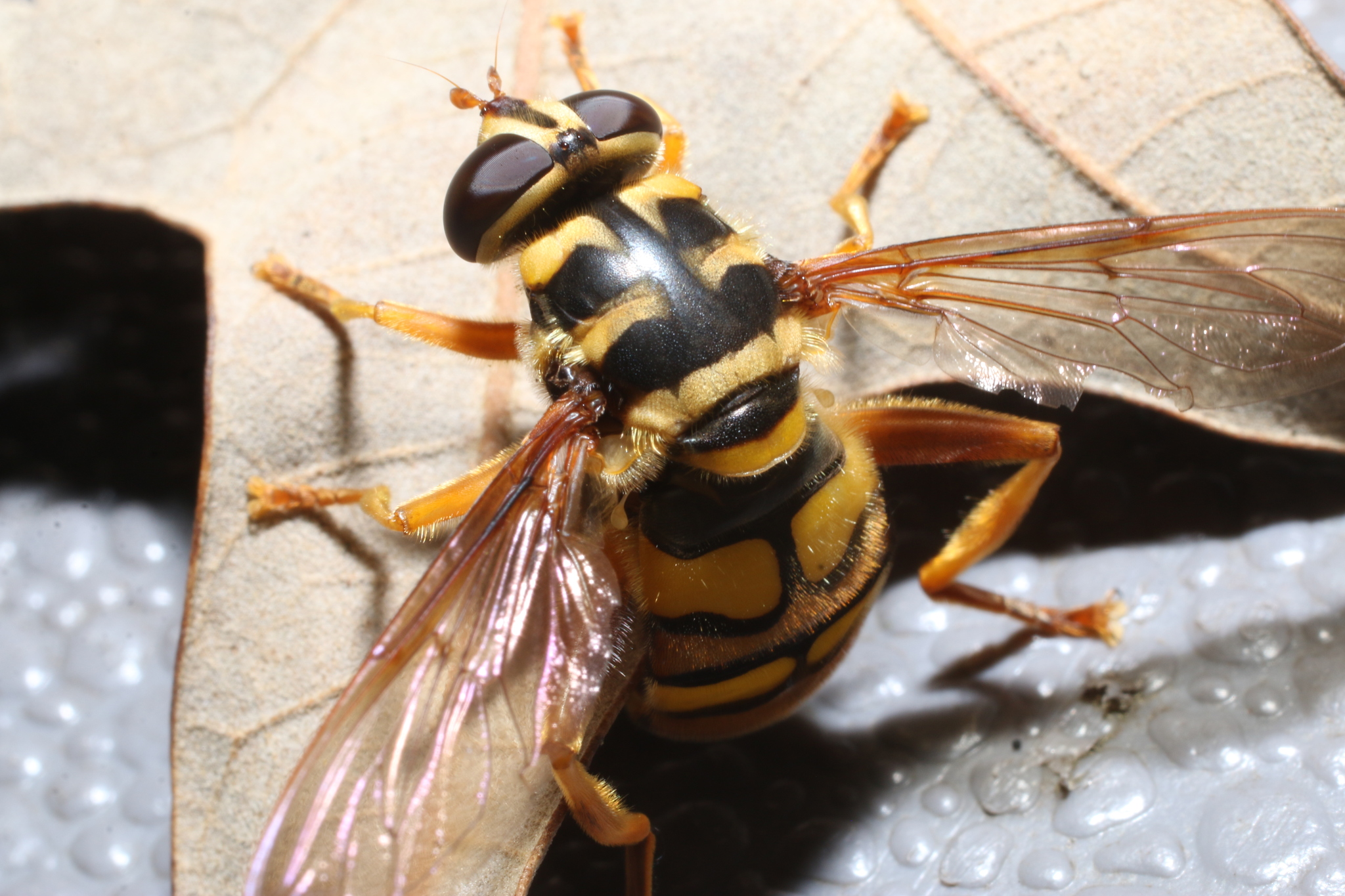
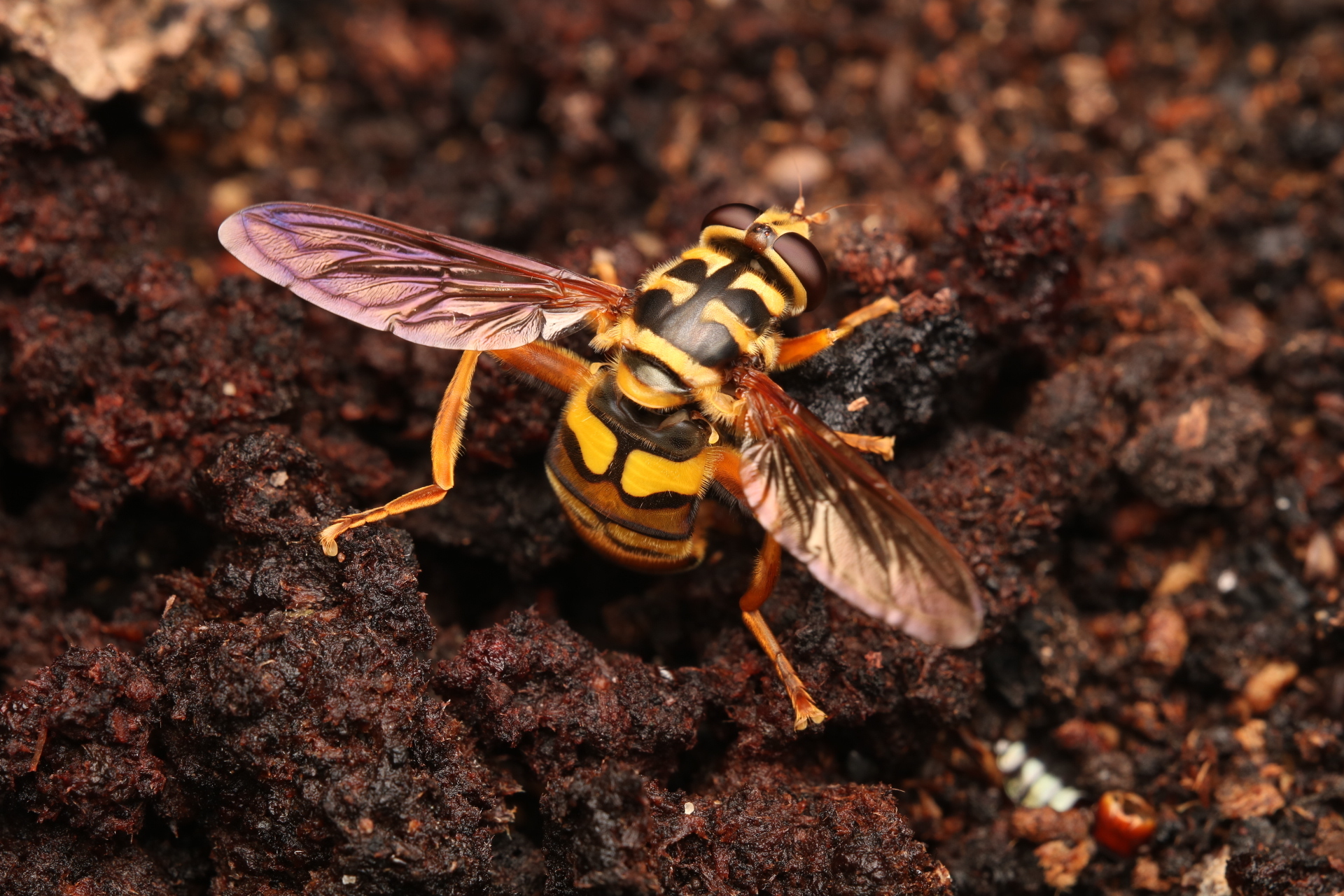
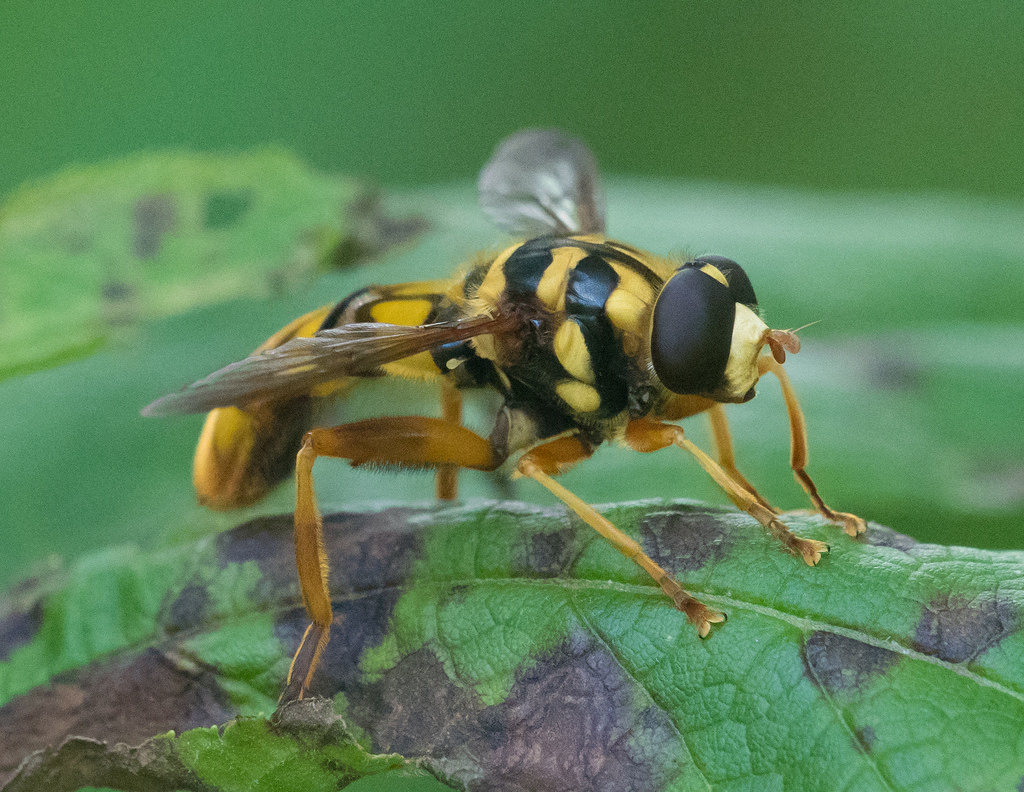
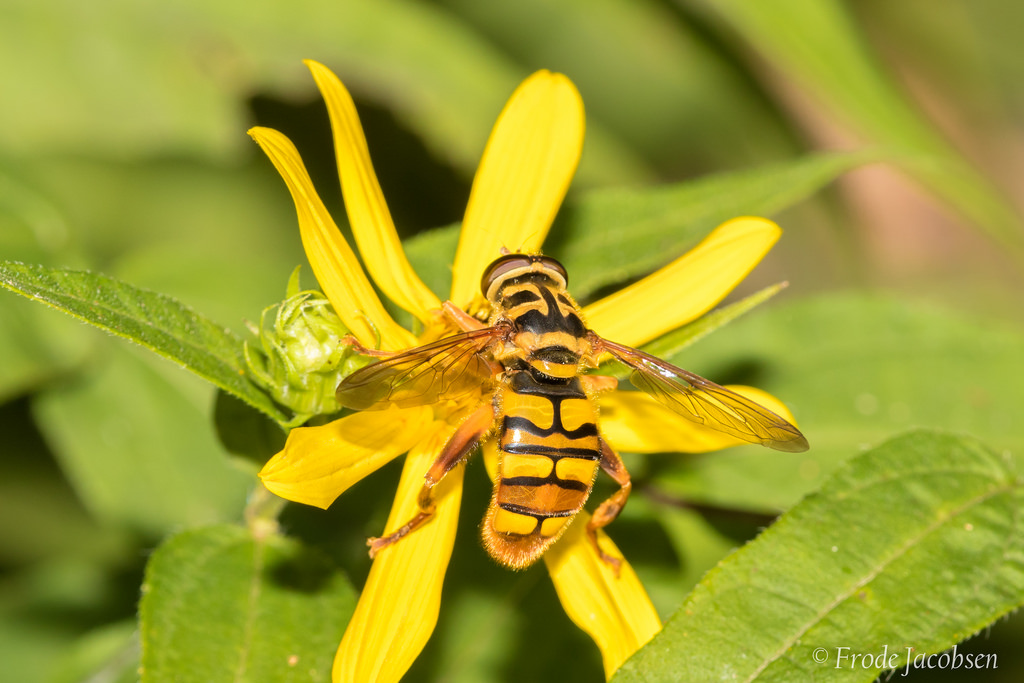
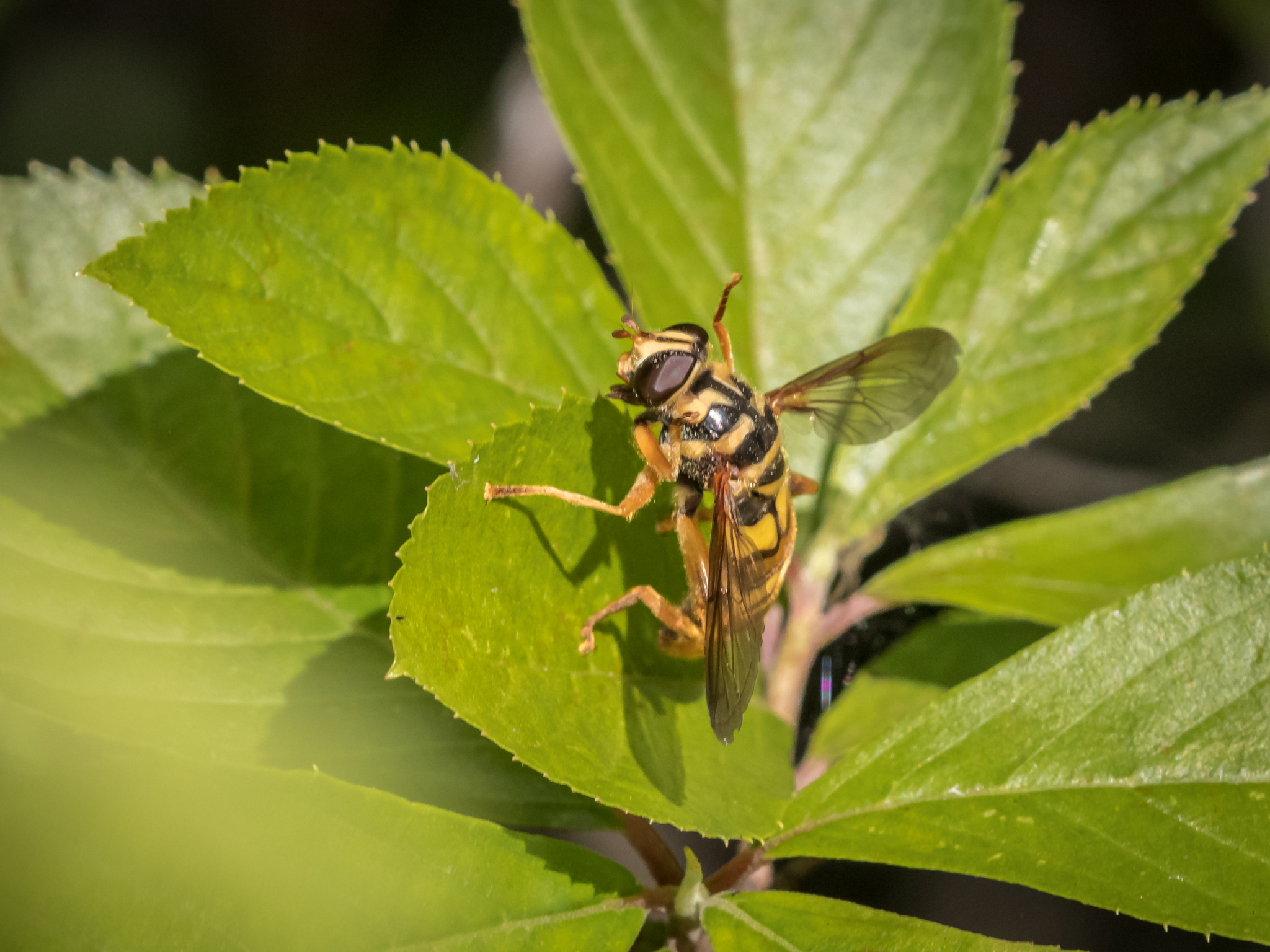
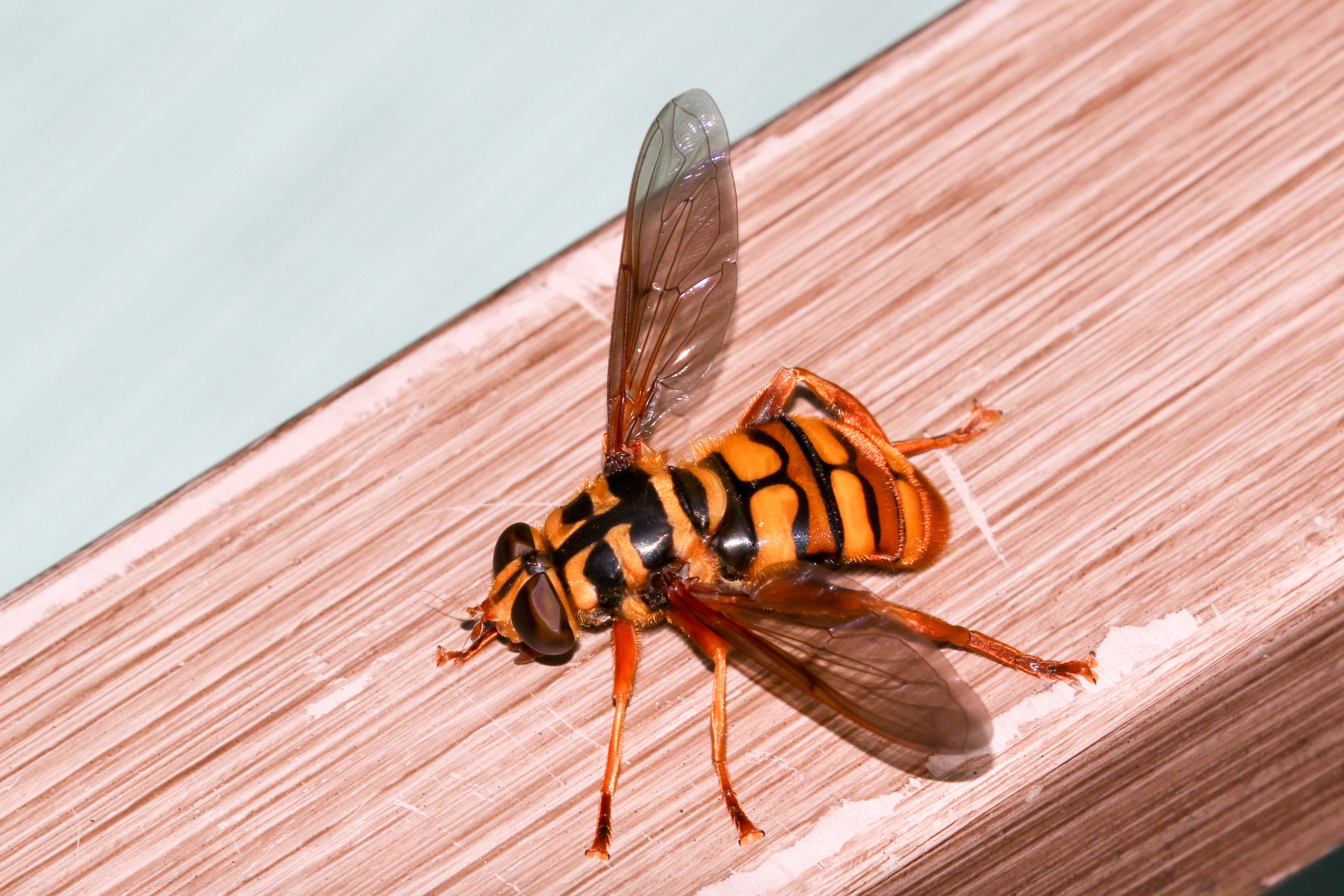
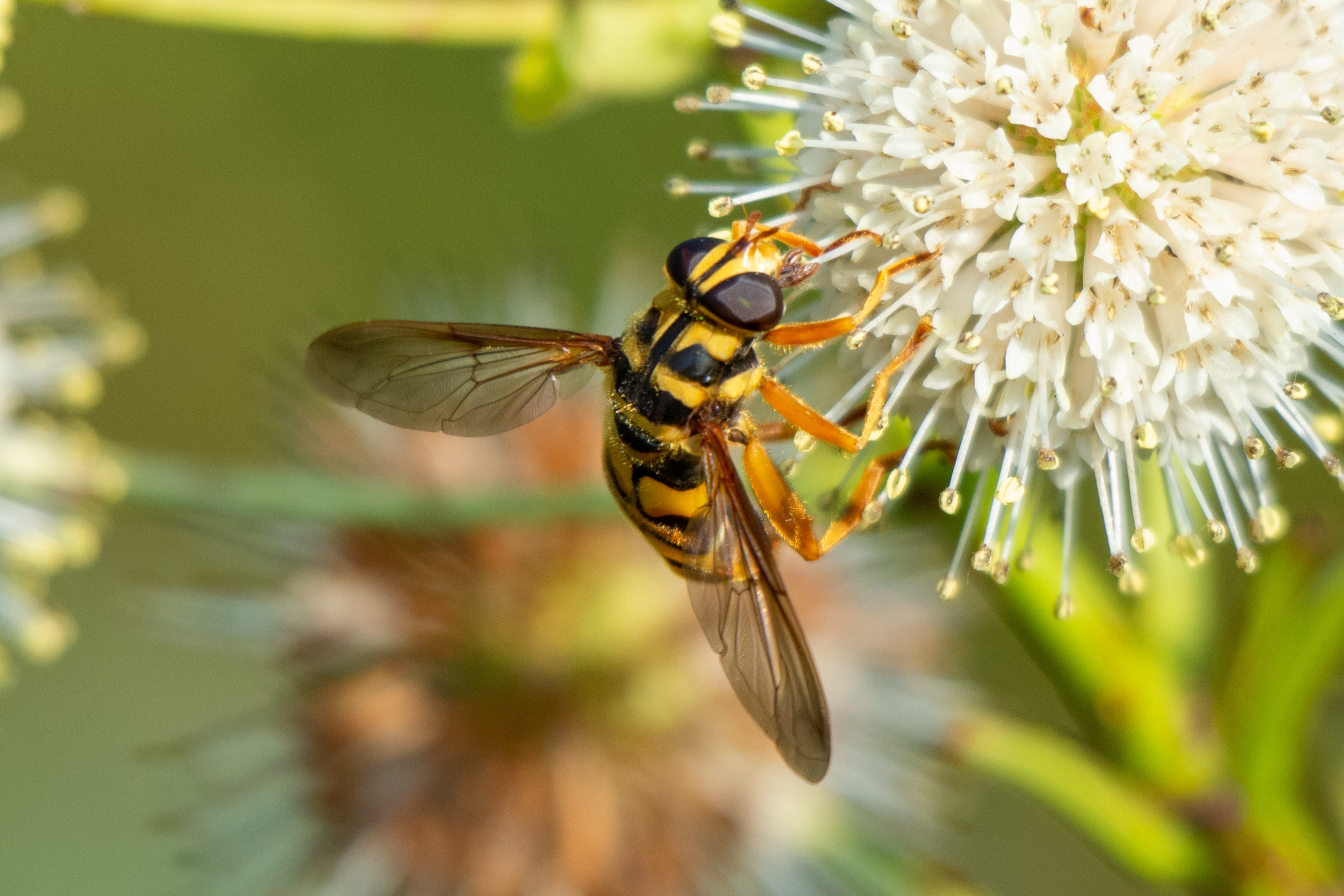
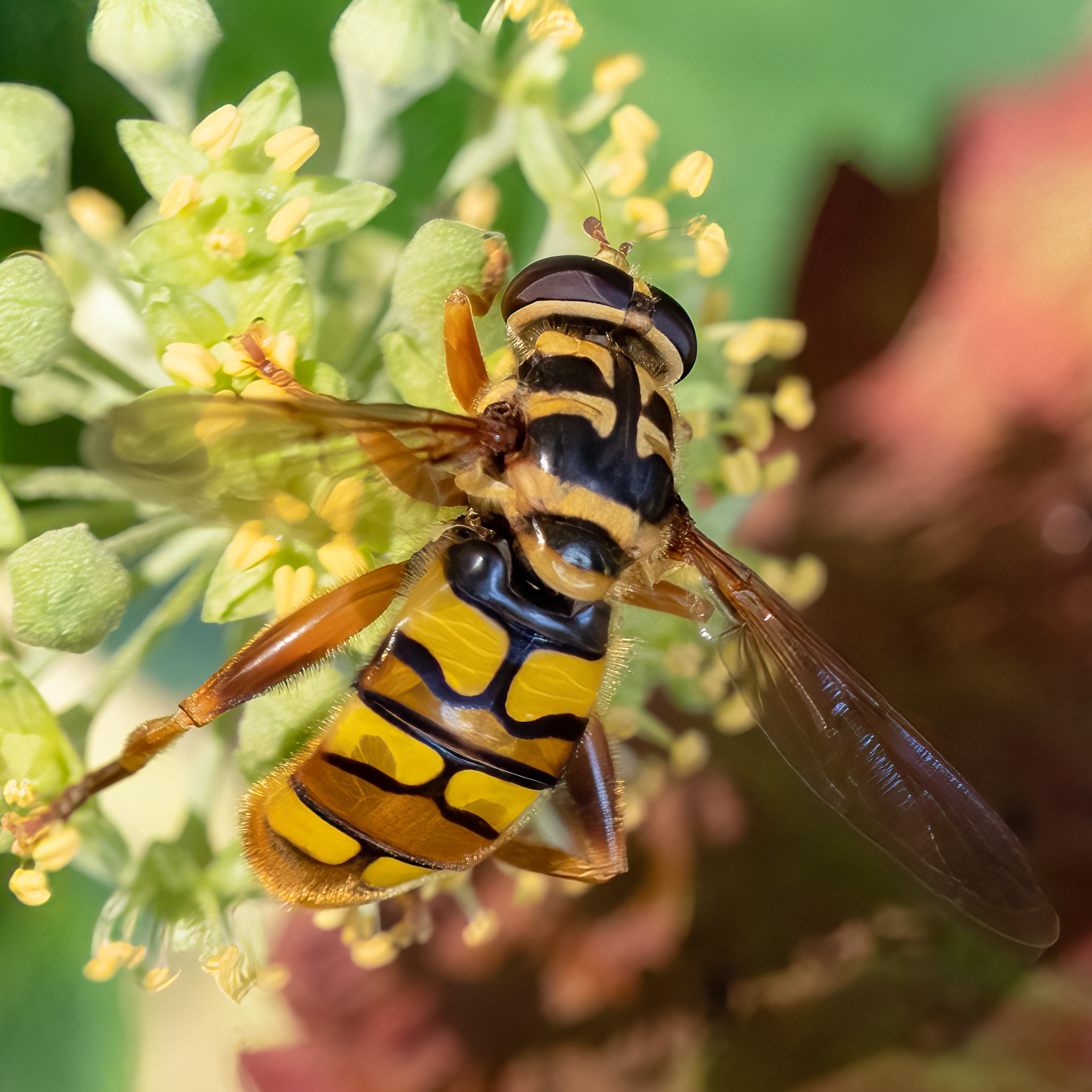
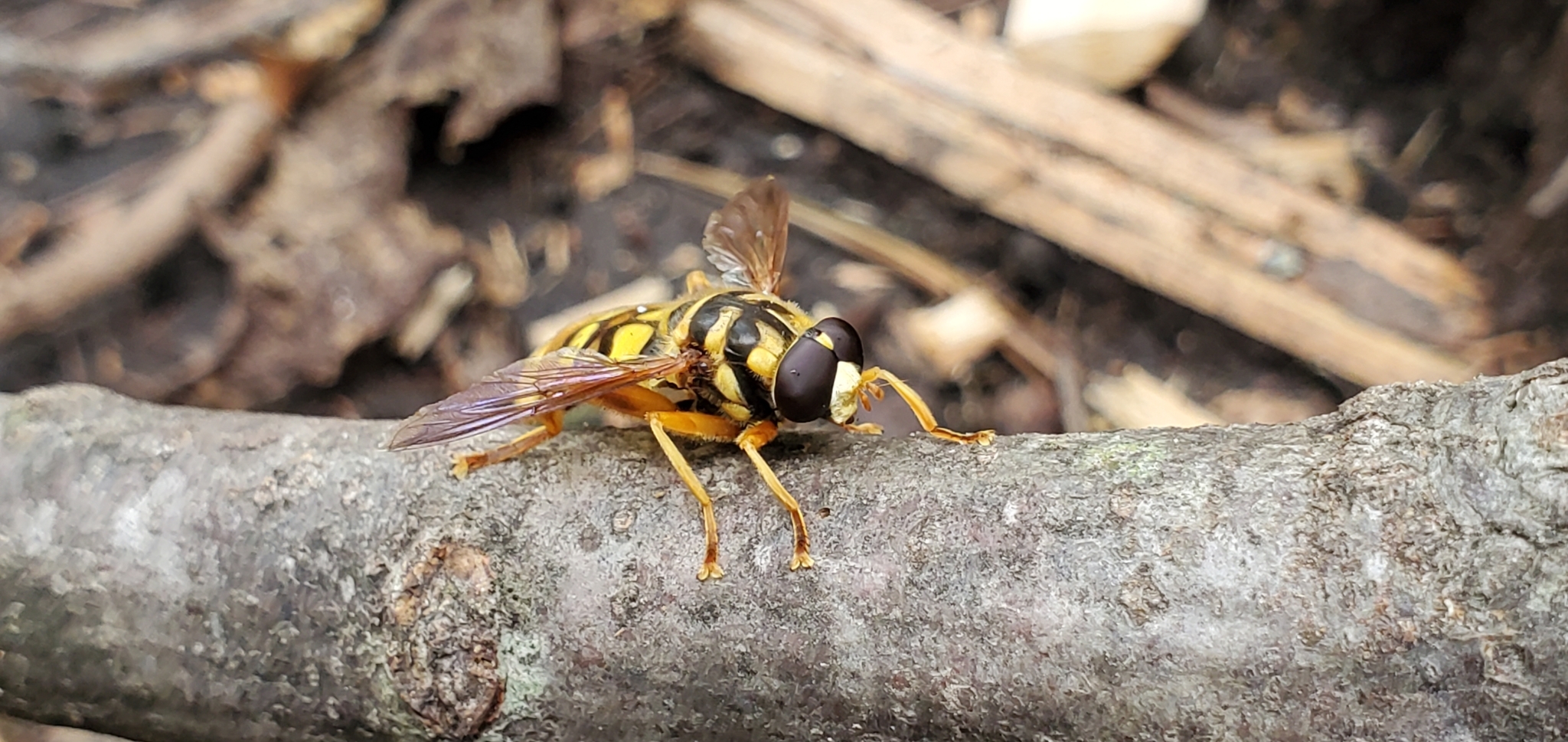
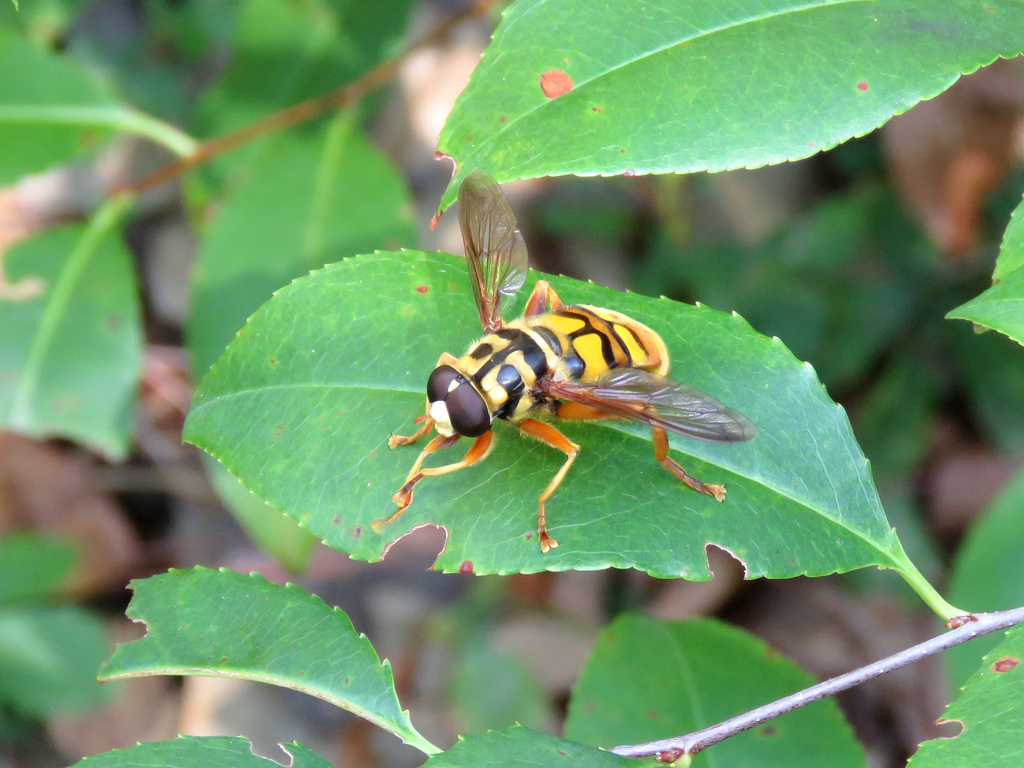
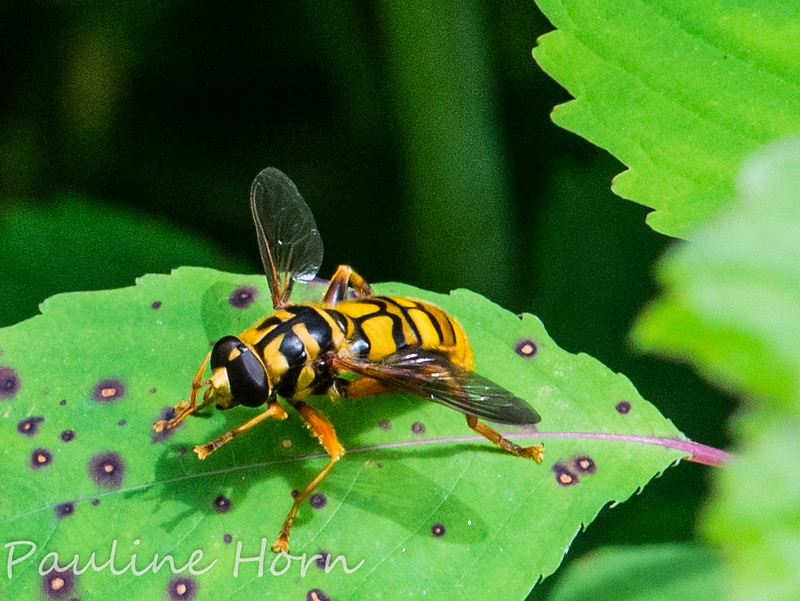
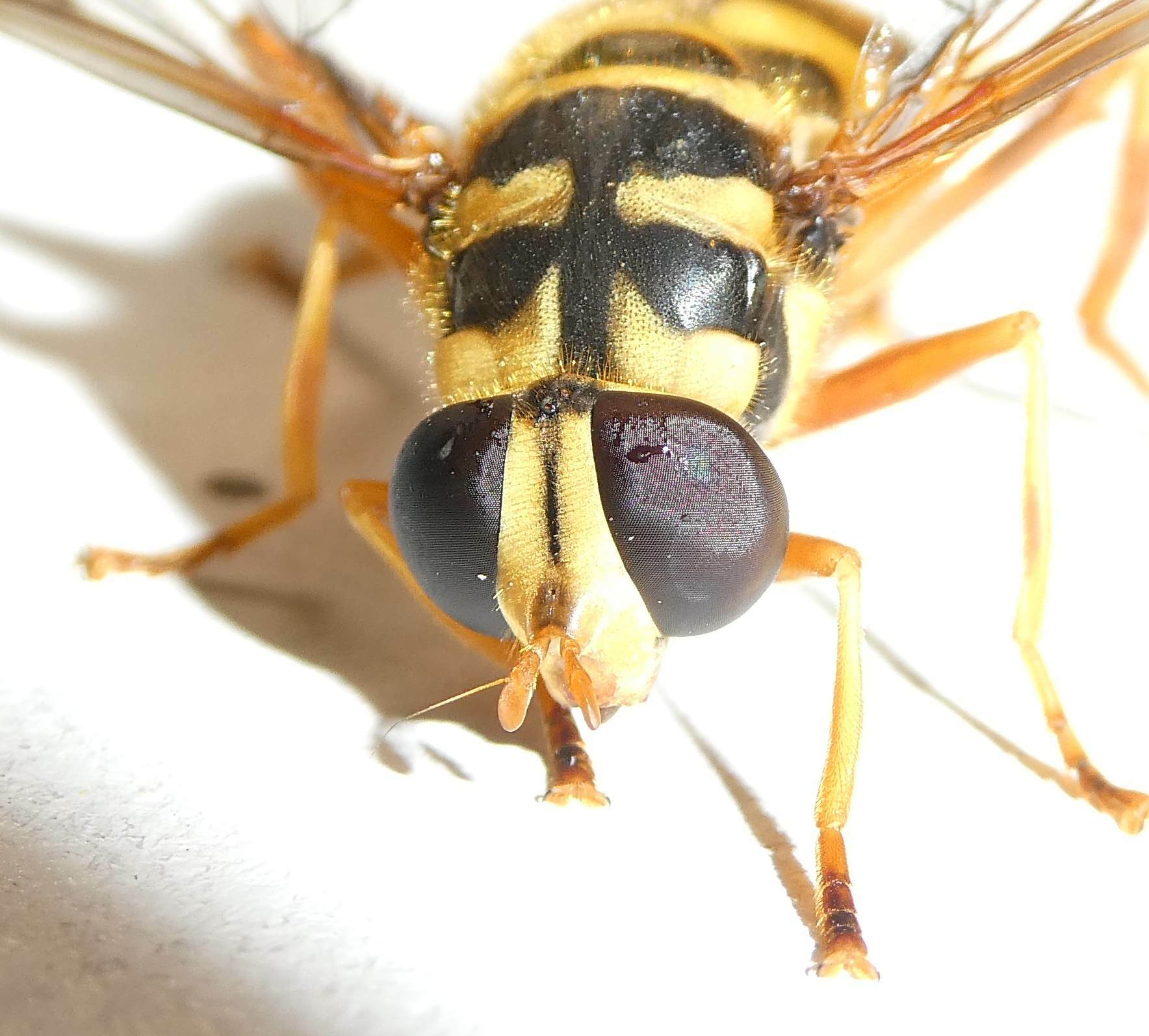
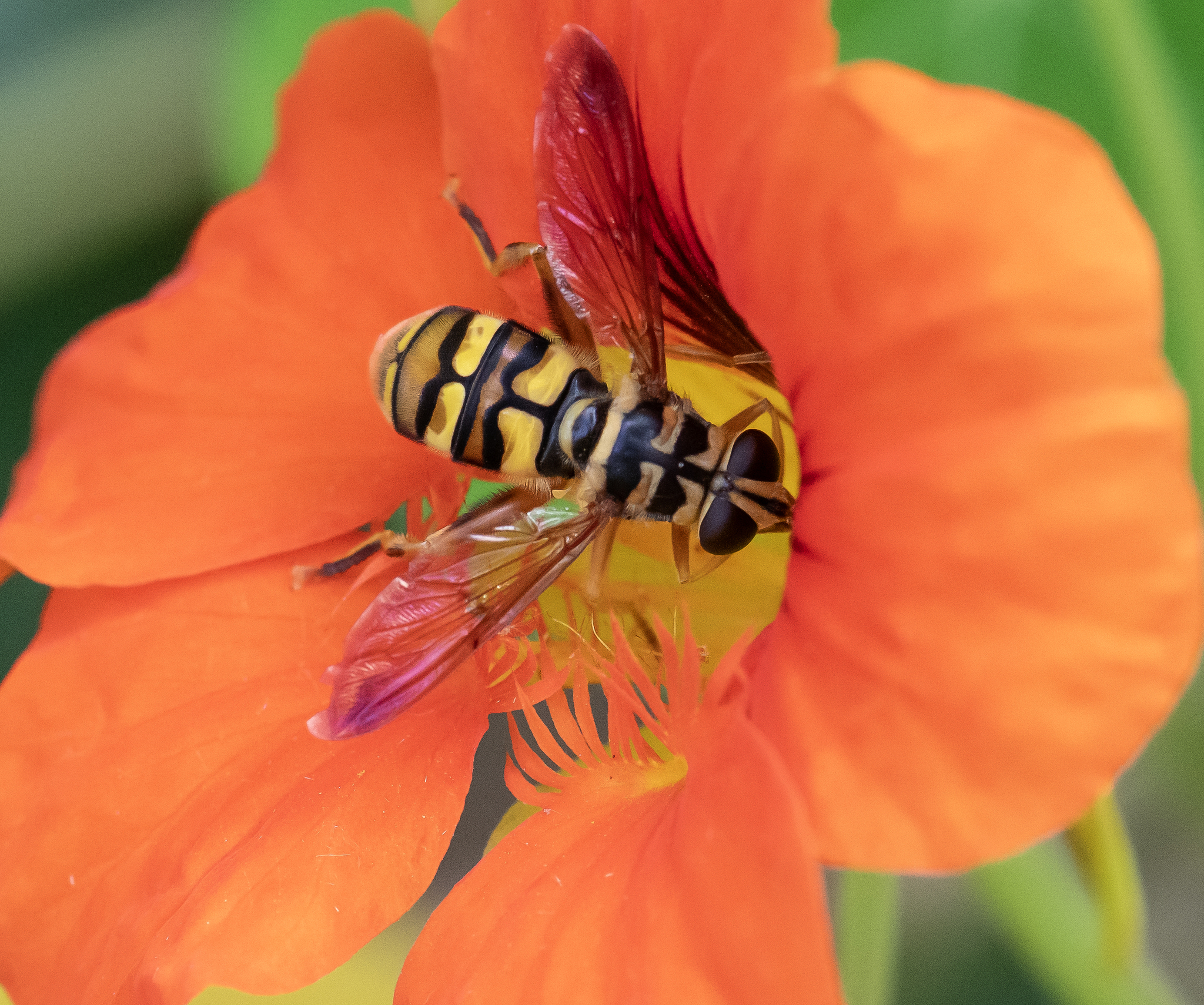
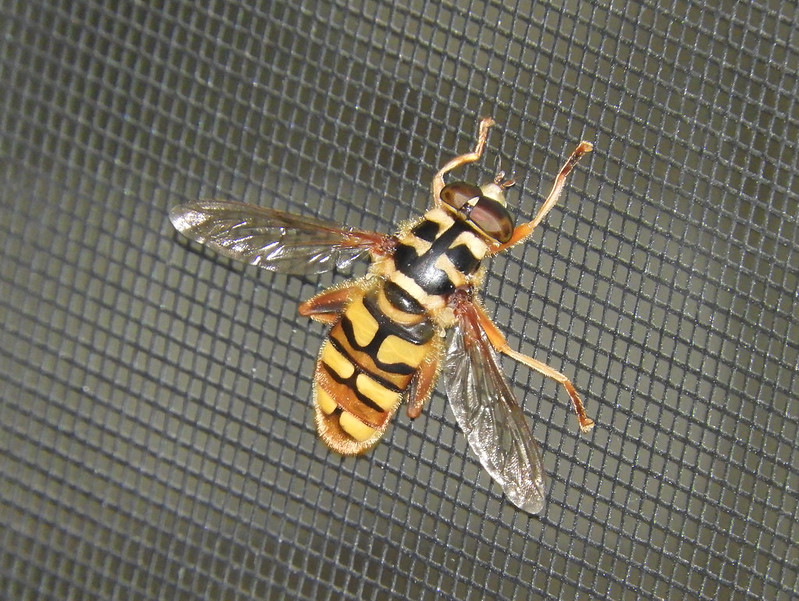
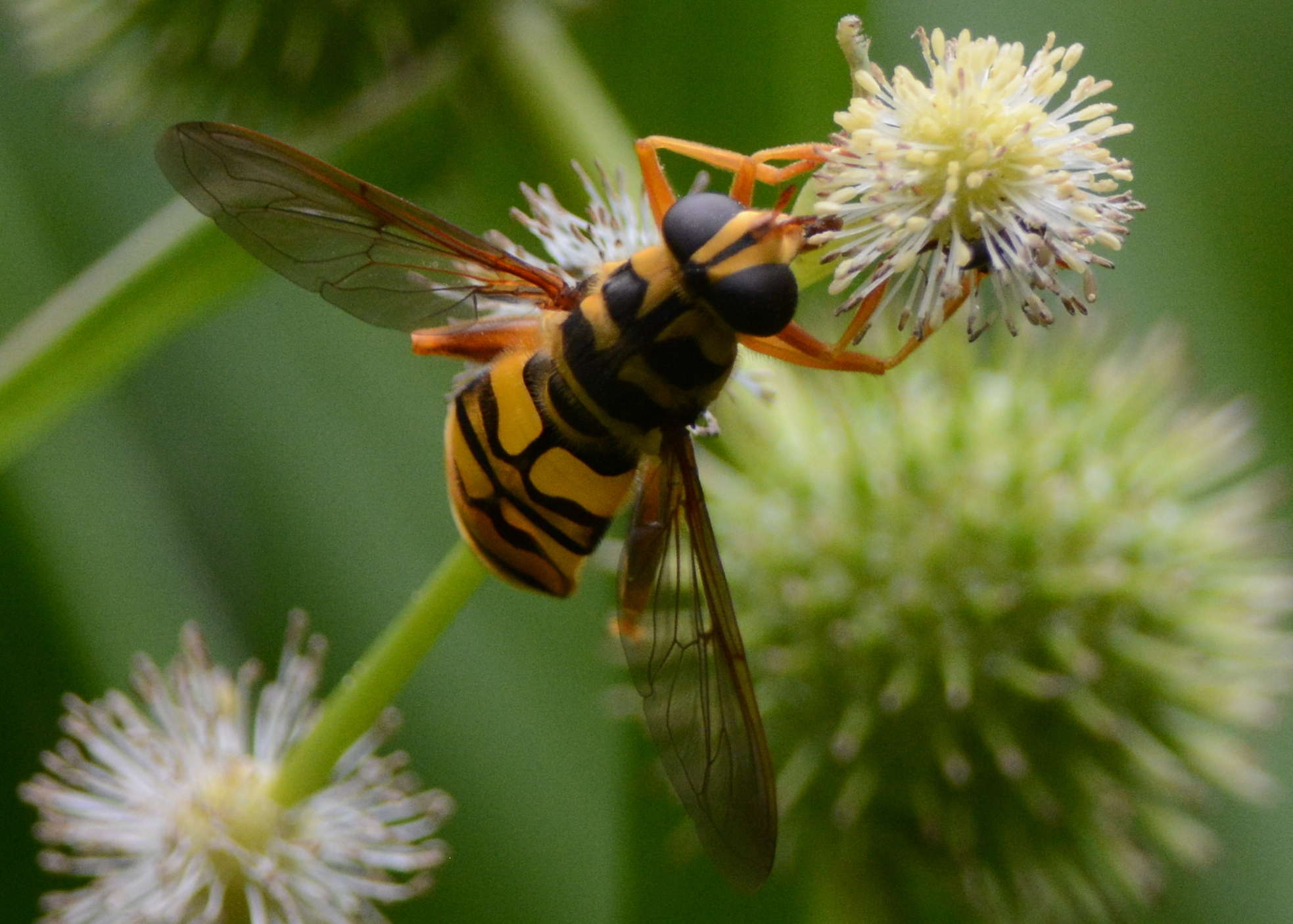
Milesia virginiensis, known generally as the yellowjacket hover fly or Virginia flower fly, is a species of hoverfly in the family Syrphidae.[6]

It measures 18–21 millimetres (0.71–0.83 in).[citation needed] It lives in forest edges and meadows. Adults are active mid-summer to early fall.[citation needed]
Distribution
[edit]United States, Ontario, Canada, Mexico[citation needed]
Behavior
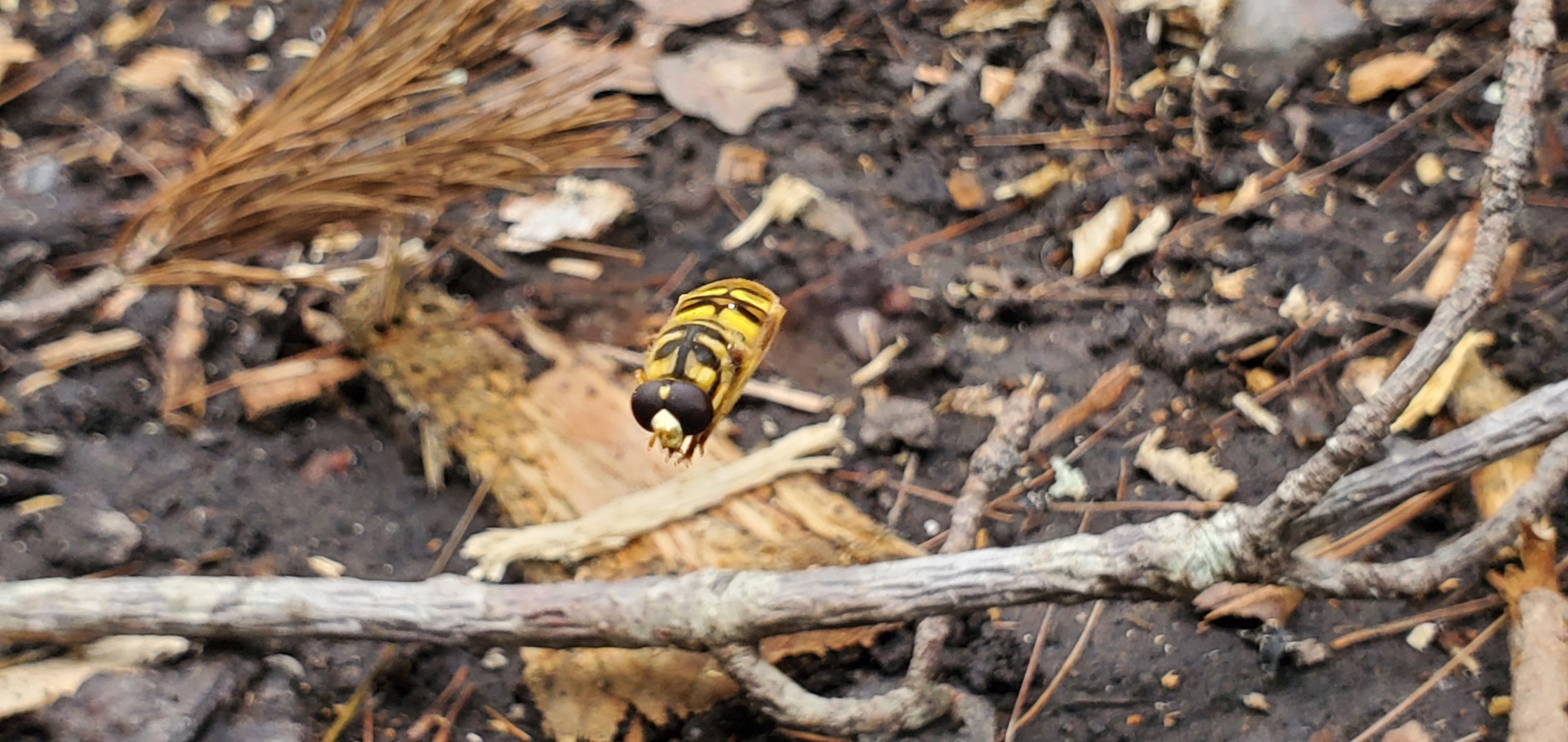
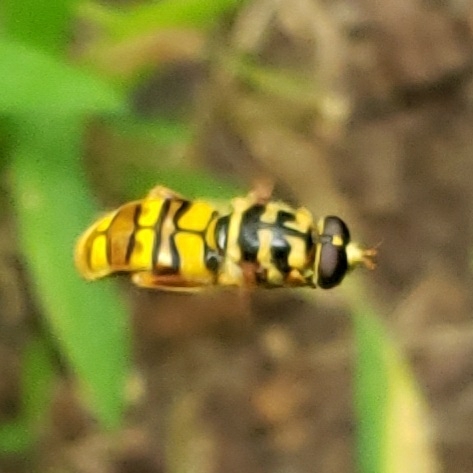
[edit]Adults of milesia virginiensis feed mainly on nectar and pollen, while the larvae are mainly detritovores, feeding on decaying plant matter. Adult milesia virginiensis are often seen hovering around an area, making erratic shifting movements before flying away. Milesia virginiensis cannot sting and are completely harmless.
Appearance
[edit]Milesia virginiensis mimics stinging yellow-jackets or European hornets in appearance to deter potential predators. Larvae resemble caterpillars with a narrow neck and a set of antennae.
References
[edit]- ^ a b Drury, Dru (1773). Illustrations of natural history... Vol. 1, 4 figs., [1770.04.23]; vol. 2, vii + 90 pp., 50 pls., and index to Vols. 1-2 (4 unnumbered pages). London: sold by White, Printed for the author. pp. xxviii + 130 pp. 50 pls.
- ^ Hausmann, J.F.L. (1799). Entomologische Bemerkungen. Braunschweig. p. 64.
- ^ Fabricius, Johann Christian (1805). Systema antliatorum secundum ordines, genera, species. Bransvigae: Apud Carolum Reichard. pp. i–xiv, 1–373. Retrieved 5 June 2020.
- ^ Macquart, P.J.M. (1850). "Diptères exotiques nouveaux ou peu connus. 4e supplement". Mem. Soc. R. Sci. Agric. Arts, Lille. 1849: 309–479, pls. 1–14. Retrieved 13 August 2021.
- ^ Bigot, Jacques Marie François (1884). "Diptères nouveaux ou peu connus. 22e partie, XXXII: Syrphidi (2e partie). espèces nouvelles, No 1er". Annales de la Société Entomologique de France. 3 (6): 315–356. Retrieved 24 July 2021.
- ^ Skevington, J.H.; Locke, M.M.; Young, A.D.; Moran, K.; Crins, W.J.; Marshall, S.A (2019). Field Guide to the Flower Flies of Northeastern North America. Princeton Field Guides (First ed.). Princeton, New Jersey: Princeton University Press. p. 512. ISBN 9780691189406.
 | This article relating to Milesia is a stub. You can help Wikipedia by adding missing information. |